
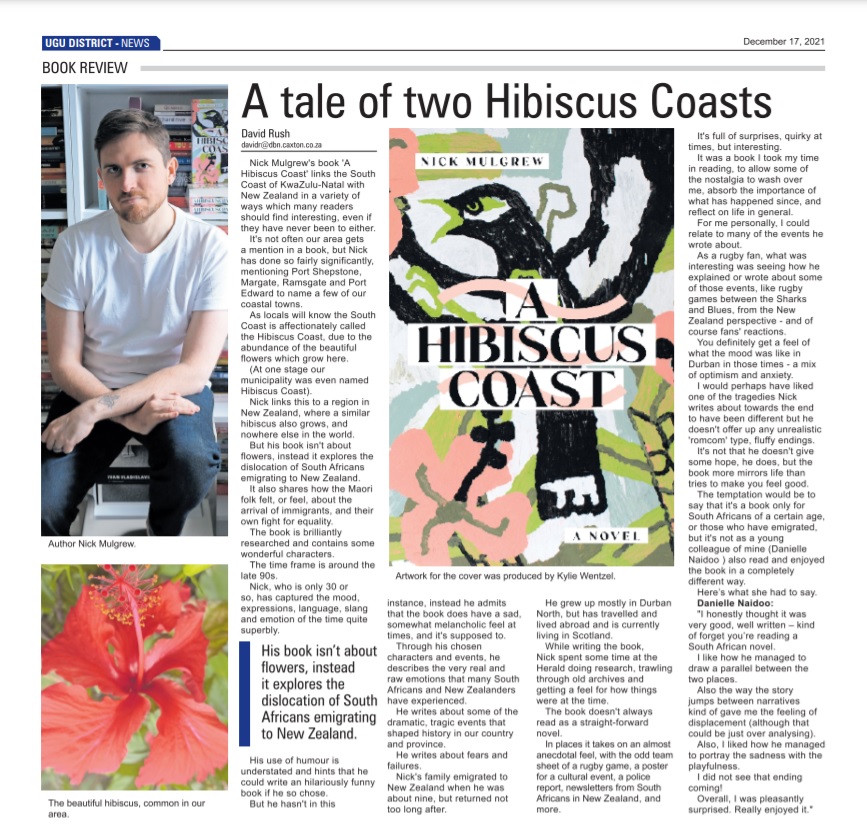
David Rush and Danielle Naidoo review A HIBISCUS COAST by Nick Mulgrew for the South Coast Herald
Someone once explained to me the frog in increasingly hot water concept – that he won’t notice till he literally boils to death. I remember being horrified that such an idea could have been put to the test – poor frog, for heaven’s sake.
Woman Zone Cape Town
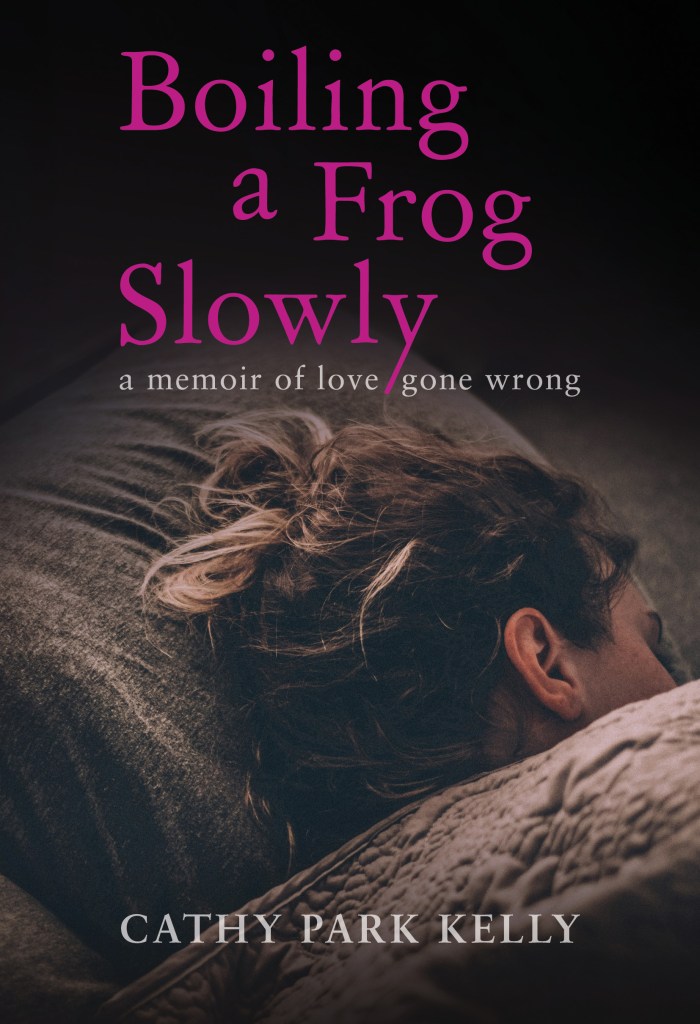
More shocking though is the thought that such a concept could apply to a human being – but seems it can. Despite an increasingly hot water relationship, Cathy Park Kelly, hung on in for eight tortuous years with a man she calls here Karl. Her book, a vivid recall of the undermining, violent and over-heated treatment she tolerated, just made me want to weep for her. And lash out at the perp …


“This has been a long, hard year for many people, but one thing we did have was an amazing selection of books! Here are our 21 bestsellers of 2021. Our number one this year, The Promise by Damon Galgut, was a bestseller in our store before it was even nominated for the 2021 Booker prize, but the longlist, shortlist, and finally, winning, announcements did not hurt! And to everyone who bought it, I’m sure you’ll agree that it was an excellent book and deserved all the hype. It is a great list, filled with local books, so well done Cape Town (and our customers further afield) for supporting local and having excellent taste!” – The Book Lounge
Two Karavan Press titles are – at numbers 4. and 16. – on this amazing list:

1. The Promise by Damon Galgut ~ R290
2. Klara and the Sun by Kazuo Ishiguro ~ R325
3. Beautiful World, Where Are You? by Sally Rooney ~ R320
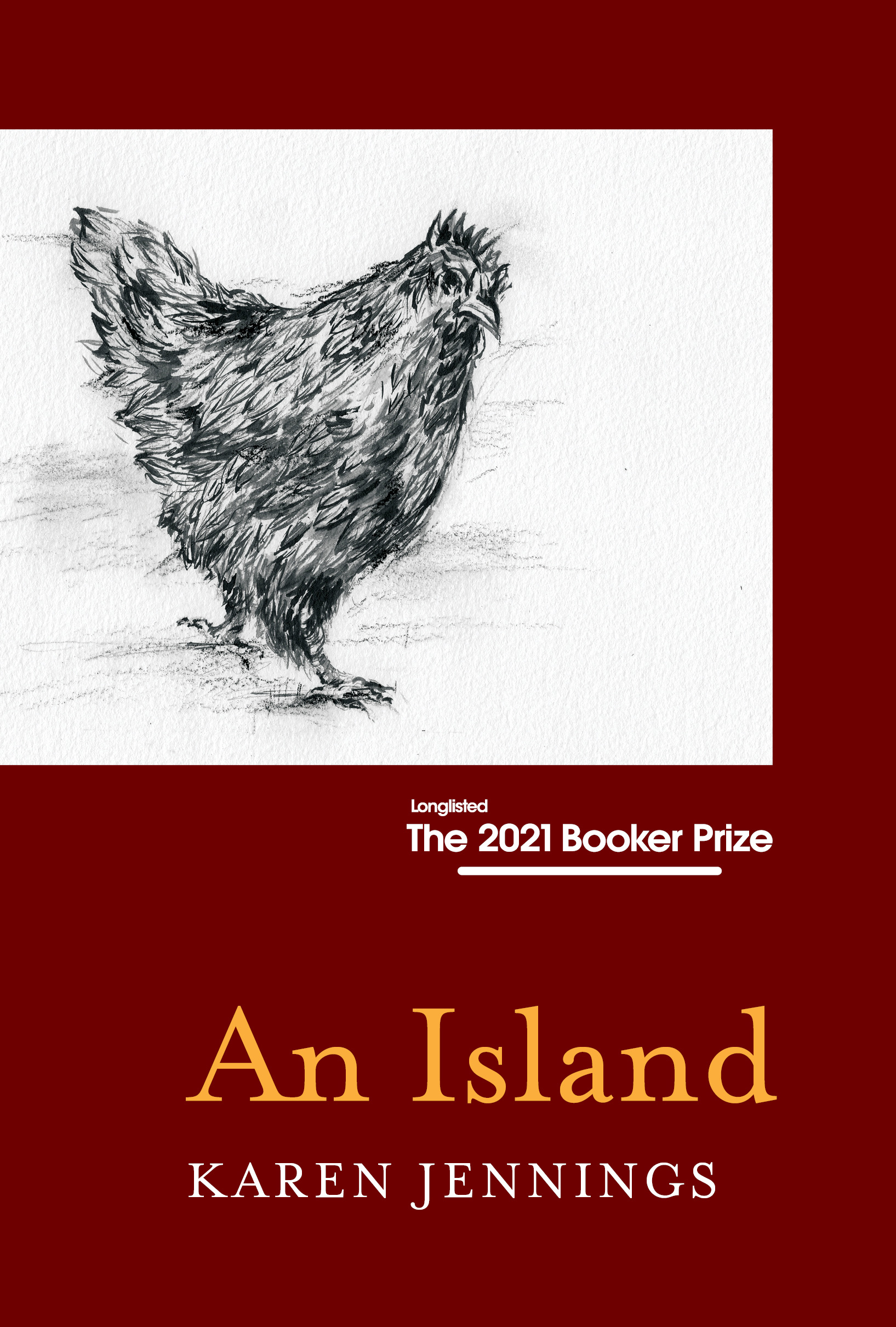
4. An Island by Karen Jennings ~ R280
5. District Six: Memories, Thoughts and Images by Martin Greshoff ~ R460
6. Nation on the Couch by Wahbie Long ~ R280
7. When the Village Sleeps by Sindiwe Magona ~R290
8. Into Dark Water by Jeremy Vearey ~ R290
9. Female Fear Factory by Pumla Dineo Gqola ~ R280
10. The Dark Flood by Deon Meyer ~ R310
11. Girl, Woman, Other by Bernardine Evaristo ~ R215
12. Robert by Robert Hamblin ~ R280
13. Land Matters by Tembeka Ngcukaitobi ~ R280
14. The Hidden Spring by Mark Solms ~ R300
15. Bewilderment by Richard powers ~ R320
16. A Hibiscus Coast by Nick Mulgrew ~ R290
17. Die Teenoorgestelde is Net So Waar deur Azille Coetzee ~ R295
18. Surfacing, edited by Desiree Lewis and Gabeba Baderoon ~ R350
19. On Earth We're Briefly Gorgeous by Ocean Vuong ~ R215
20. Notes on Grief by Chimamanda Ngozi Adichie ~ R260
21. By the Fading Light by Ashram Kagee ~ R195
You can buy these and many, many other books at The Book Lounge!

Read the entire review: @pennyhaw

I am looking through my notes from a ‘how to write’ course. They speak of ‘dramatic imperative’, and stories only as strong as their antagonists. And of that crisis near the end of the book when yet another cruel hurdle leaves us agonising over whether the protagonist, our exhausted hero, will be thwarted – or not – so close to the end of her long, hard journey.
It strikes me that Friday’s shock travel ban would make a perfect illustration of this. All those thousands of heroes who were feeling pretty wrecked after almost two years of the pandemic, but cautiously optimistic about being with family and friends for Christmas. Or of going on that adventure. Getting to that job. Having the holiday they have dreamt of and saved up for.
Antagonists can come in many guises, my notes teach. Oh boy! Here we have no shortage of examples of those. A lethal virus and its mutations. Trigger finger journalists. Powerful, prejudiced countries with fearful constituents and bunker mentality politicians. And last but not least our hero’s internal antagonist, who thought she could bear no more disappointment, injustice and loss. Who could not even cry as she stood with her packed suitcase this past weekend, negative Covid test in hand, staring in numb disbelief at a departures board.
What my writing course notes did not say was how to rescue my hero, to give her journey a happy ending. I want to write relief, an eleventh-hour rescue, and tears of joy and reunion into this tale, but even this writer’s inner protagonist is finding believable words of consolation hard to come by.
The notes did mention that what a hero wants and what she really needs may be in conflict. That what a hero usually needs, according to the great moralists, is to not get what she wants.
In Cathy Park Kelly’s inspiring memoir Boiling a Frog Slowly, she describes how reading the self-help gurus reinforced her self-doubt. Her belief that her abuser was right, his anger her fault, that it was she who needed changing. And that when she eventually left her partner, Eckhart Tolle and his ilk were summarily boxed and dropped off at a charity shop.
I think this new travel ban story is one in which our hopeful, seeking heroes should not be pushed any further, or encouraged to seek ever more transcendent states of self-actualisation.
Can’t they, please, just be allowed to get what they want for a change?


On New Year’s Eve of 2010, Sue Brown’s twelve-year-old son, Craig, was diagnosed with a rare brain tumour. In the turmoil of the time, Sue instinctively turned her hand to writing. In 2017, six years after Craig had lost his battle with cancer, she published a memoir, The Twinkling of an Eye: A Mother’s Journey. She lives with her husband and their daughter in Cape Town. The family spends as much time as they can at Craig’s Cabin in Betty’s Bay. Sue continues to find hope and solace in the written word. Her new book, Earth to Mom: Personal Essays on Loss & Love, is a tribute to her son and the indelible mark he left on his family and friends.

There can be no doubt that Conjectures is a work of extraordinary breadth taking the reader on the author’s journey towards the resolution of deep personal questions of spirituality and faith. James Leatt’s life experience, first as a Methodist Minister and then an academic, serve as a backdrop to the conjectures he outlines.
Of course, a conjecture is a conclusion formed on the basis of incomplete information and therein lies the challenge of the book. How does one pull all the philosophical threads of the ages together to discover a sort of spiritual Theory Of Everything. Leatt experienced a Damascus Road moment standing on the verandah of his alcoholic parents’ rented house in Kalk Bay as an eleven-year-old boy — a deep inner assurance that he had a right to be part of the universe. What followed was a journey in search of spiritual understanding which initially led to his conversion to Christianity followed by a life-long transcendence away from that safe harbour of the Doctrines of the Church towards a secular spirituality.
Enroute we are taken on a tour de force of the thinking of the great writers and philosophers of the ages: Pascal’s ‘The heart has reason that reason cannot know’. In Tennyson’s Ulysses — ‘I am part of all that I have met’. The third century BCE questions posed by Epicurus — ‘Is God willing to prevent evil, but not able? Is he able but not willing? Is he both able and willing? What then is the origin of evil?’ The particularity problem raised by Reinhold Niebuhr in relation to Jesus as the only way. Jung’s theory of the two-million-year-old self. Marx’s ‘The abolition of religion as the illusory happiness of the people is the demand for their real happiness’. Freud’s religion as a projection of suppressed desires. In Speaking of God, William Horden’s ‘The language of religion is not scientific but rather describes the mystery of God. Nietzsche’s ‘… the death of God’. There are discussions of mindfulness and Eastern beliefs.
As Leatt puts it, “I have been a forager looking for ideas that throw light on my life and times”. He concludes that he can no longer accept Judaism, Christianity and Islam’s appropriation of the world’s religion. He is glad to be the beneficiary of the process of disenchantment whereby magical thought and practice are eliminated by science and technology.
His wrestle with the issues of faith, meaning and ethics finally leads him to the formulation of the tenets of his secular spirituality, yet somehow one is left with the impression that Leatt is still that hungry eleven-year-old boy looking to the Kalk Bay stars for answers.
* * *
Archie Swanson’s poetry has been widely anthologised both in South Africa and overseas. He has published three collections of poetry: the stretching of my sky, the shores of years and, most recently, beyond a distant edge. He serves on the Board of the South African Literary Journal which publishes New Contrast. Instagram @poetarchie
Earlier tonight, surfers, romance enthusiasts, readers and writers gathered at The Alma Café to celebrate the launch of Melissa A. Volker’s novelette, The Pool Guy – “the holiday you need”, in the words of Qarnita Loxton. Melissa was in conversation with the wonderful book reviewer, Sammi Malunga.

You can find Sammi on Twitter and IG @sammikoalareads.
These are tough times, but thank goodness for uplifting stories that allow you to escape into a world where, despite challenges, you can expect a happy ending. In Melissa’s stories that ending always includes an empowered woman fighting for her dreams. And she gets the guy – the pool guy in this case! And everybody needs this pool guy in their lives – trust me! 🙂
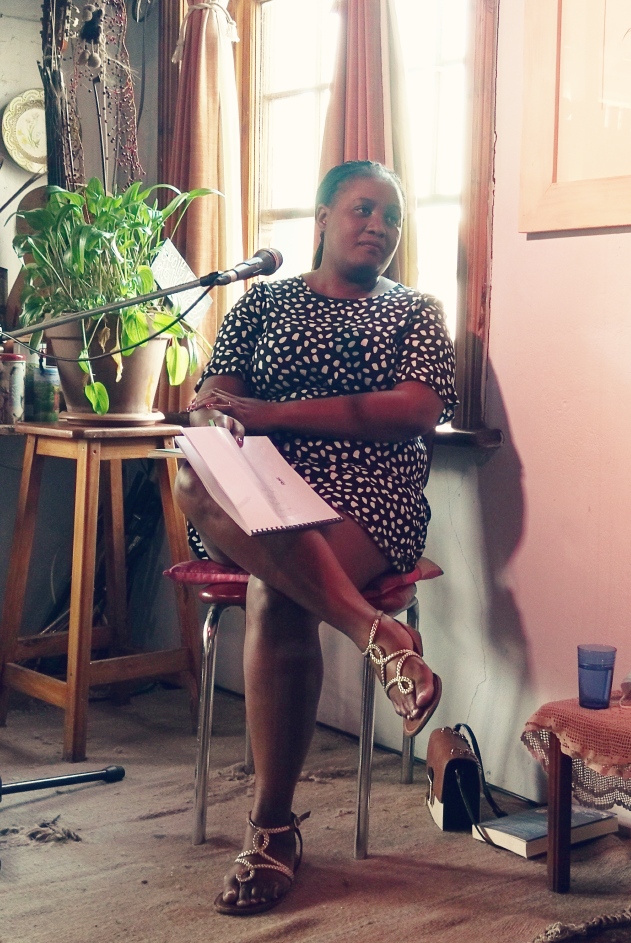
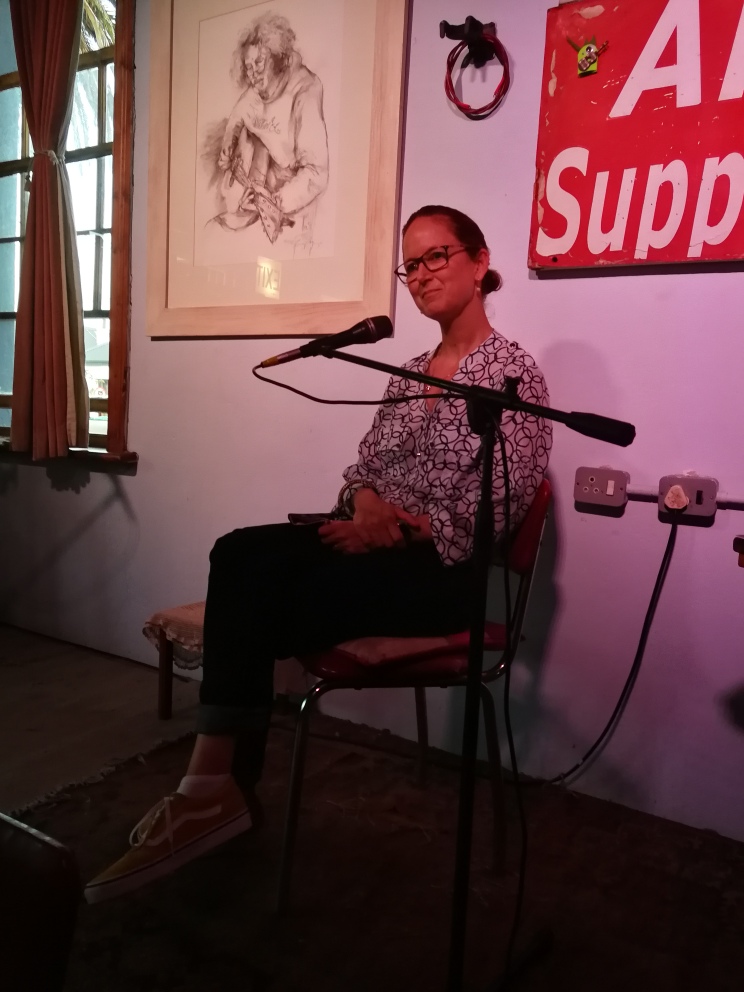
Thank you to Melissa and Sammi for an entertaining evening of romance and laughter!


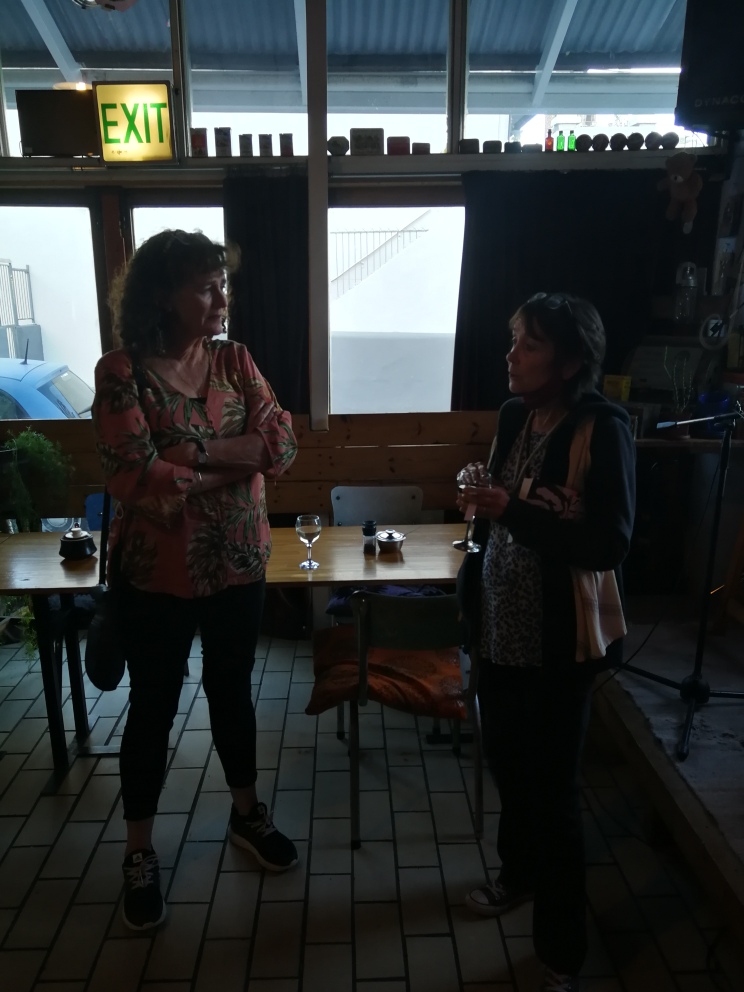


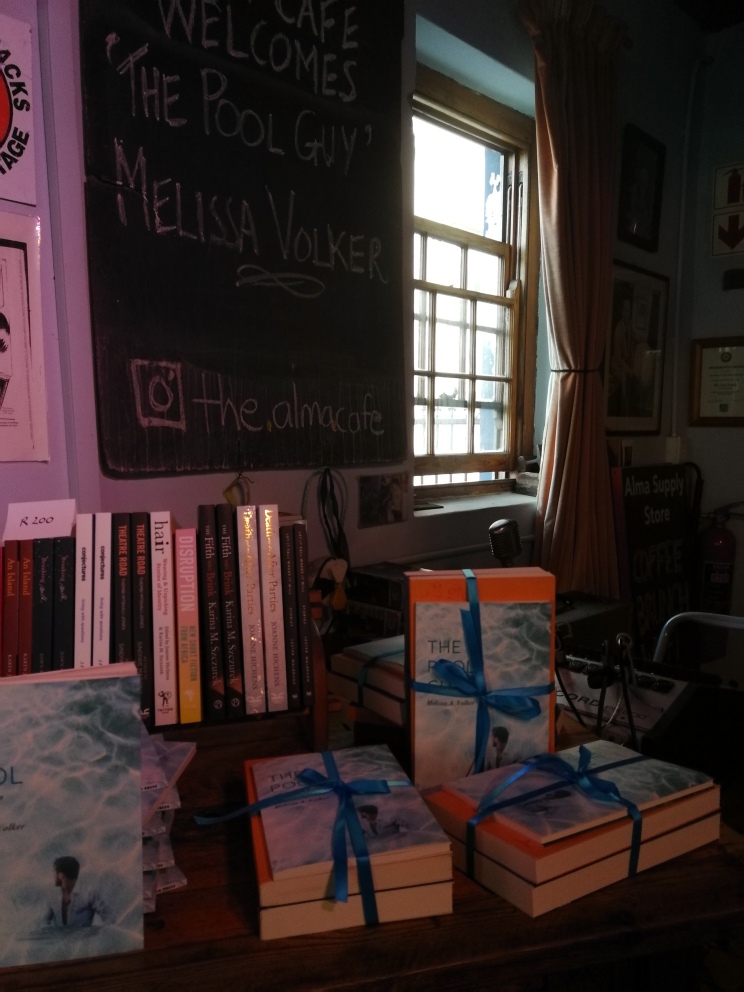

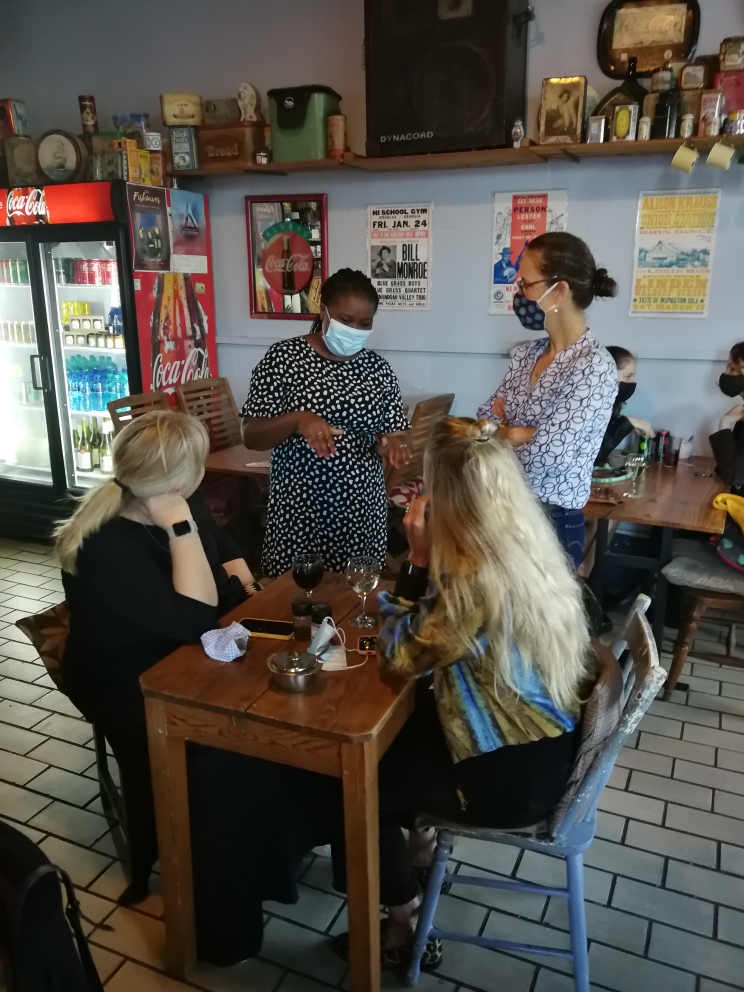
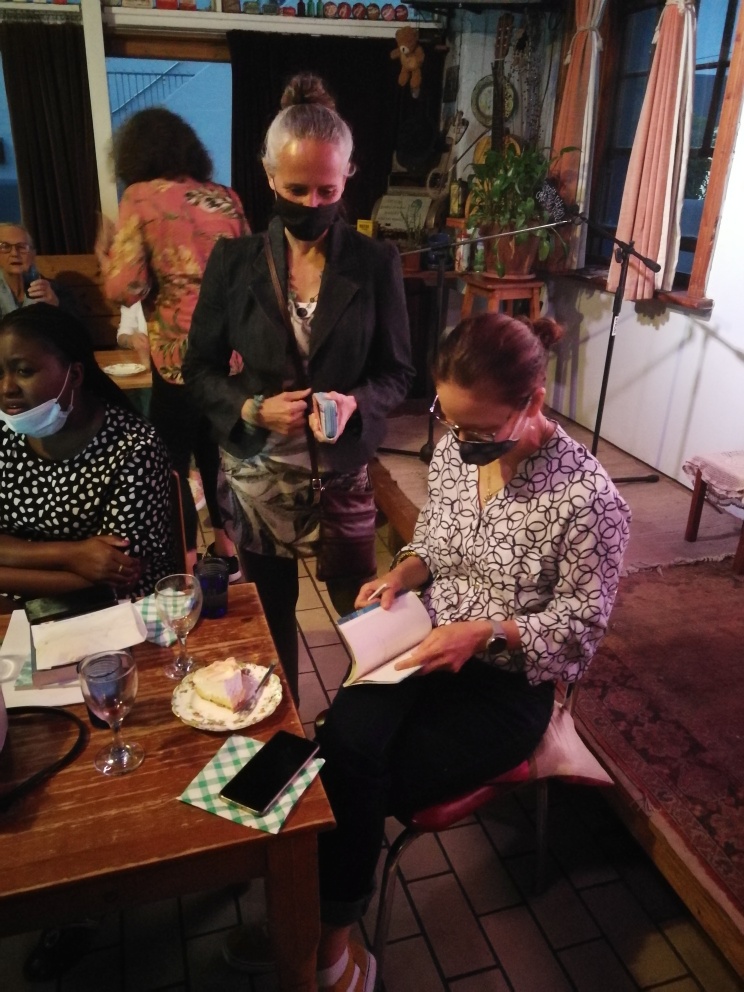
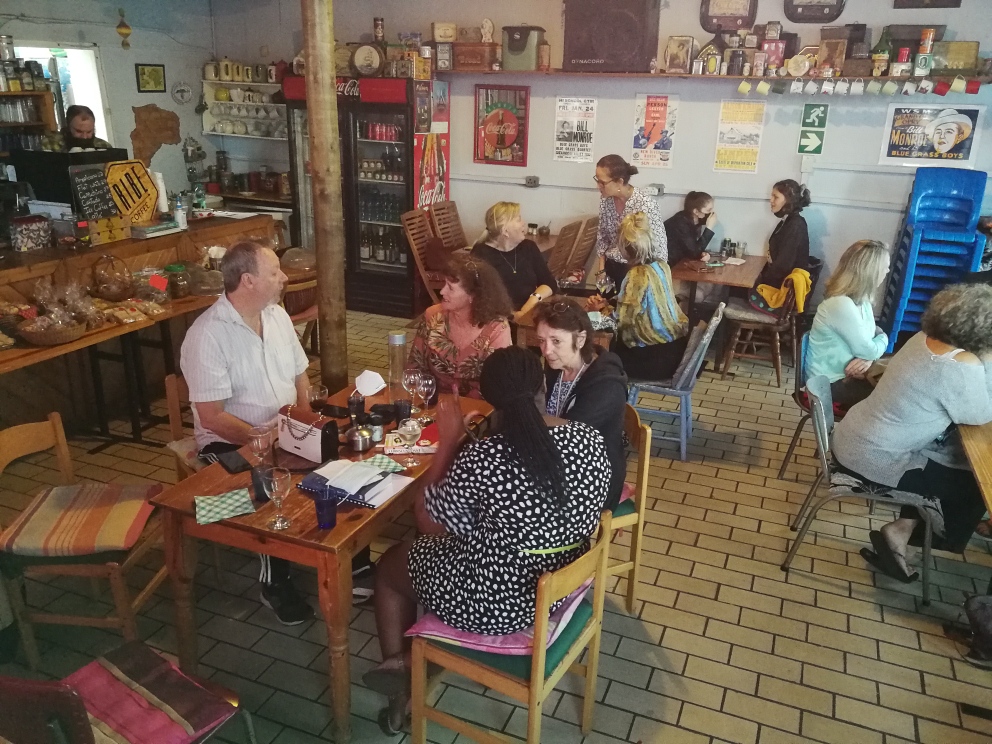

And thank you to everyone who attended and to The Alma Café for supporting the literary scene by making their music venue available for book launches and readings. You guys rock!


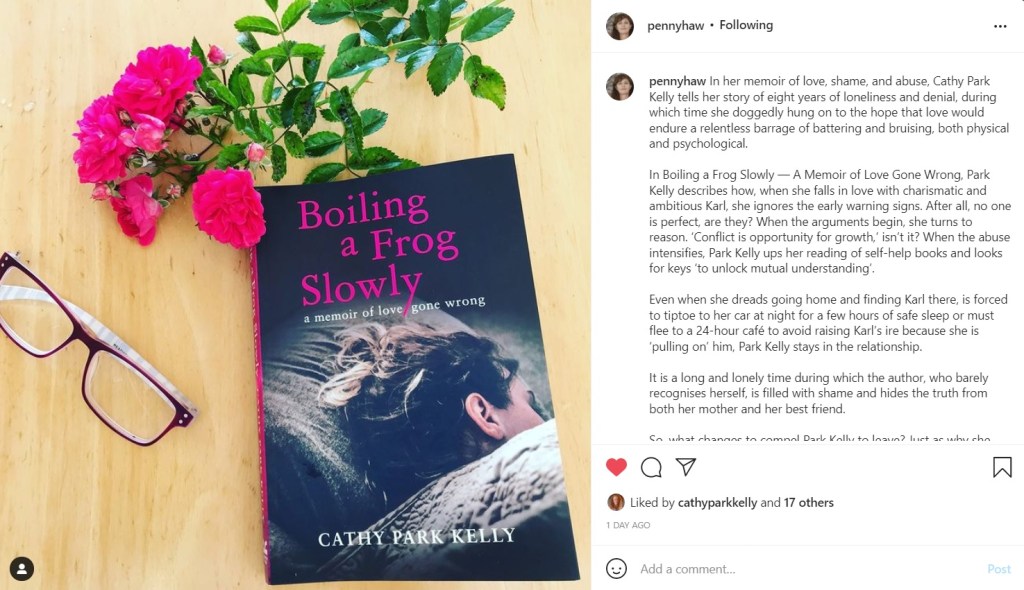
Click here to read the review: @pennyhaw

 karavanpress.com