
The impact of emigration is a fractious topic for many, and Mulgrew’s finely developed, sometimes messy, characters have been deeply affected by life events, losses and prejudices. When the group of rugby-mad expats encroach on the dream of the local self-appointed Māori leader, Mulgrew deftly draws comparisons between two narratives of land ownership and dispossession.
With SA nineties culture as a backdrop, the novel reflects on what it takes to fit in. It is also a considerate portrayal of Maori culture and the challenges these First Nation people continue to face. This a beautifully written, carefully researched novel on a difficult subject.
Business Day


David Attwell reviews An Island by Karen Jennings for LitNet
Samuel’s final act is a culmination of this violence and, paradoxically, a desperate and self-destructive protest against the triumph of cruelty in the world.
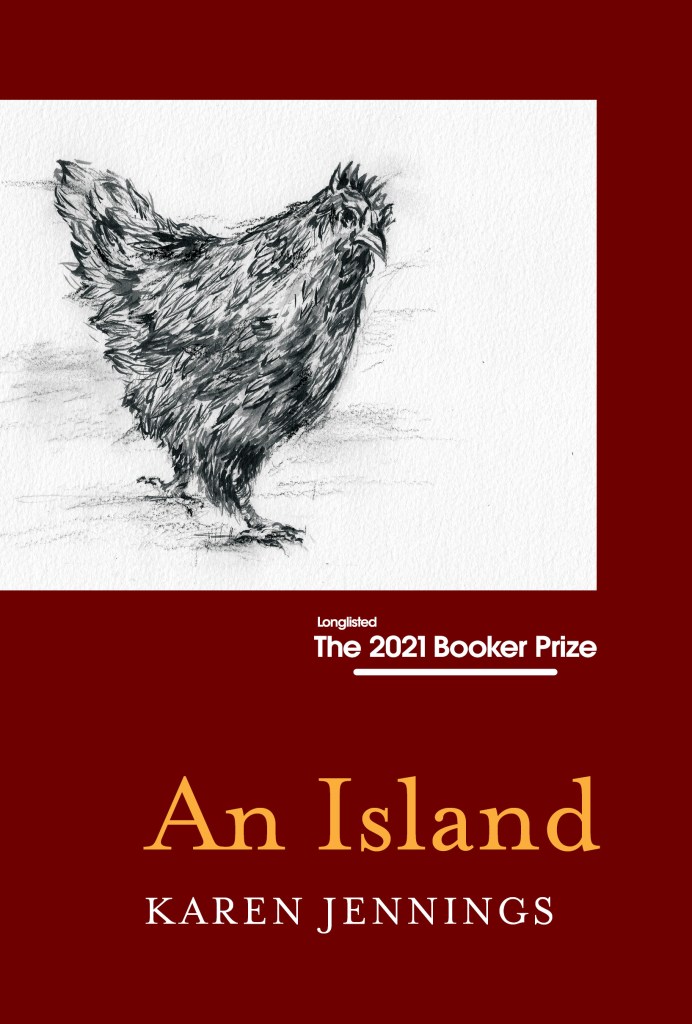
An island is an ethically driven and formally accomplished novel. Those making decisions about texts to prescribe in the undergraduate curriculum might consider it. If Mark Behr’s The smell of apples was a university text of the 1990s, with its emphasis on the uncovering of apartheid-era secrets – a novel that was eminently teachable because it was ethically centred, with clear lines of development – the novel that might play a similar role for the 2020s could well be An island.
LitNet

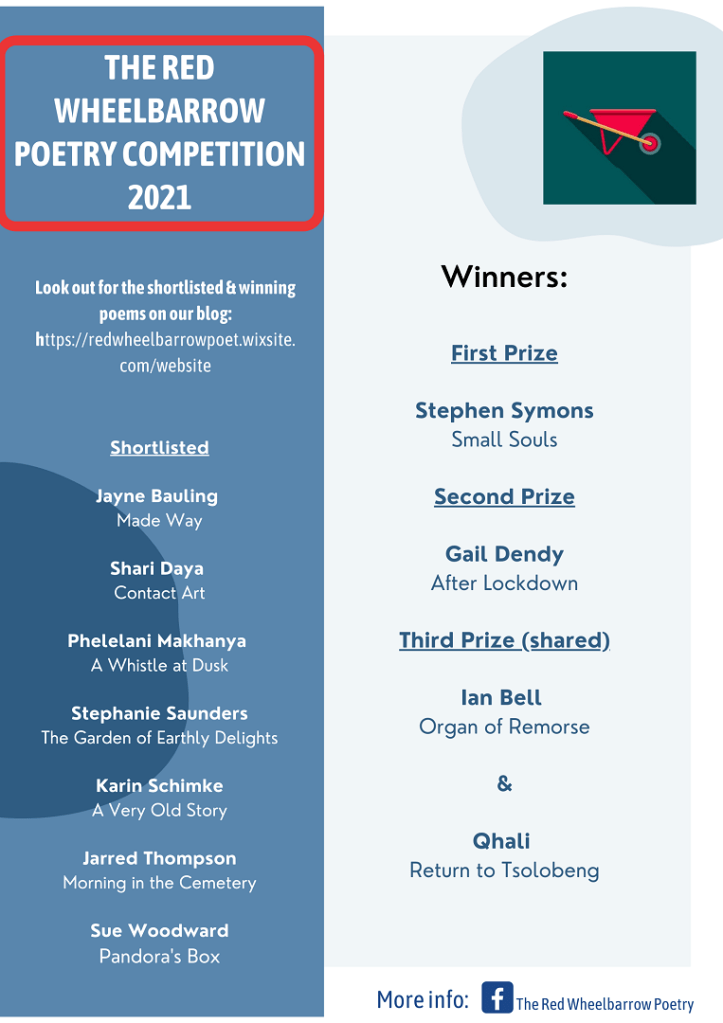
Stephen Symons wins The Red Wheelbarrow Poetry Competition
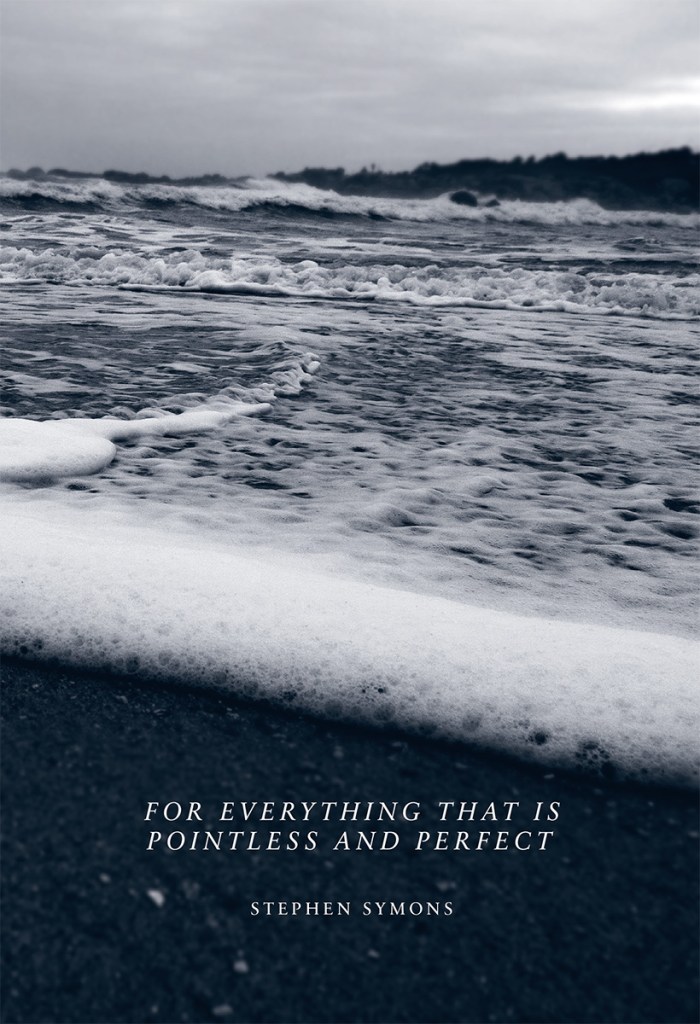
The winners of The Red Wheelbarrow Poetry Competition have been announced earlier today. Congratulations to all, but especially Stephen Symons! Stephen’s poem, “Small Souls”, took the first prize in the competition. Karavan Press is the proud publisher of Stephen’s latest collection, FOR EVERYTHING THAT IS POINTLESS AND PERFECT.

Book signings at EB Constantia
Do not miss these two wonderful authors – Penny Haw and Nancy Richards – at Exclusive Books Constantia on 9 and 16 October respectively.


A great opportunity to chat and get your books signed.
THE ISLAND PRIZE: Call for submissions!
“As African writers, we are often faced with a double dose of challenges. Firstly, getting published within African countries can be incredibly difficult because local publishers are often constrained by finances. Secondly, for many writers getting published overseas is almost impossible because the rest of the world has certain ideas of what an African story should be. Having experienced these challenges first-hand – being told that a novel is ‘too African’ or ‘not African enough’ – I know how important it is that stories from Africa be given a wide variety of platforms so that they can be shared at home and abroad without the need to fit certain moulds. I am proud to be part of The Island Prize for a Debut Novel from Africa – a competition where the judges are African and where the winners have an opportunity of being published both in the UK and in South Africa. This is one step towards bridging the gap between here and there, us and them. In fact, it is through prizes like these that authors across the continent can gain the confidence to tell stories as they wish. The hope is that, with time, such stories will become appreciated across the globe, without first being labelled as an exception or a surprise.”
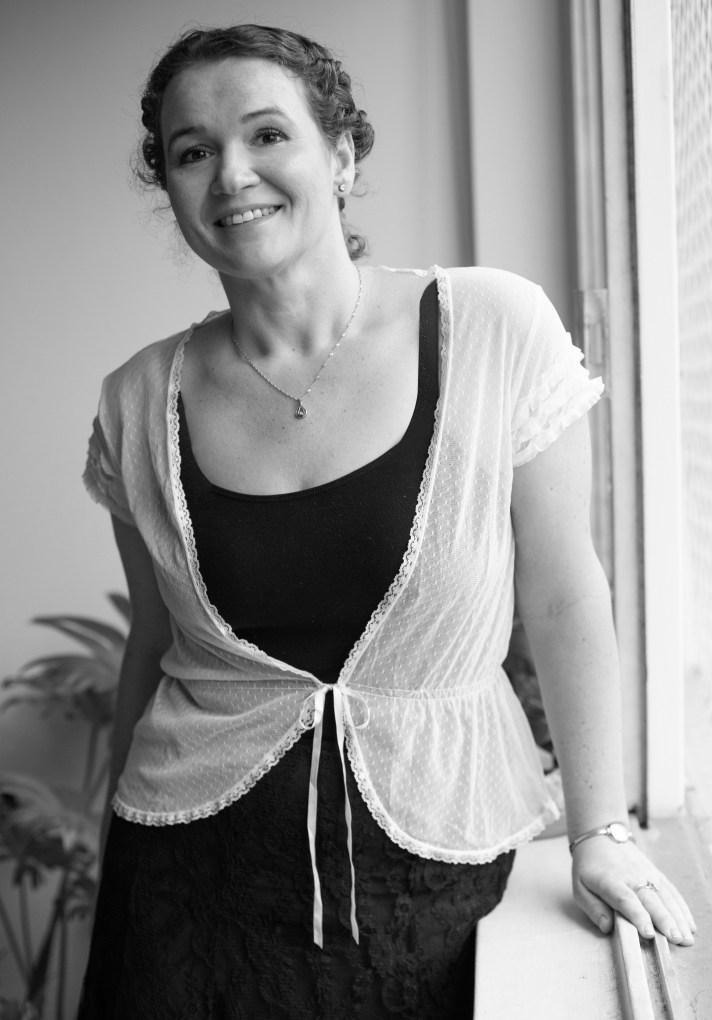
— Karen Jennings
THE ISLAND PRIZE JUDGES



For more details and the submission form, please see:
THE ISLAND PRIZE FOR A DEBUT NOVEL FROM AFRICA
Good luck!
‘It took the Booker to introduce South Africans to their own Karen Jennings’, writes Jean Meiring
This year’s discovery, though, is Jennings (born 1982), who, in spite of having produced several excellent earlier books, has not been afforded the acclaim in South Africa that she deserves. The truth of the hoary adage that a prophet is rarely hallowed in her own land rings especially true, it would seem, of South Africans who write literary fiction in English.
[…]
Whether Jennings’ name appears on the shortlist that will be announced in London tomorrow afternoon or not, one can only hope that her longlisting will have changed the trajectory of her career: that she will never again have to make out a case to be published. And never again be published in print runs of only 500.
LitNet
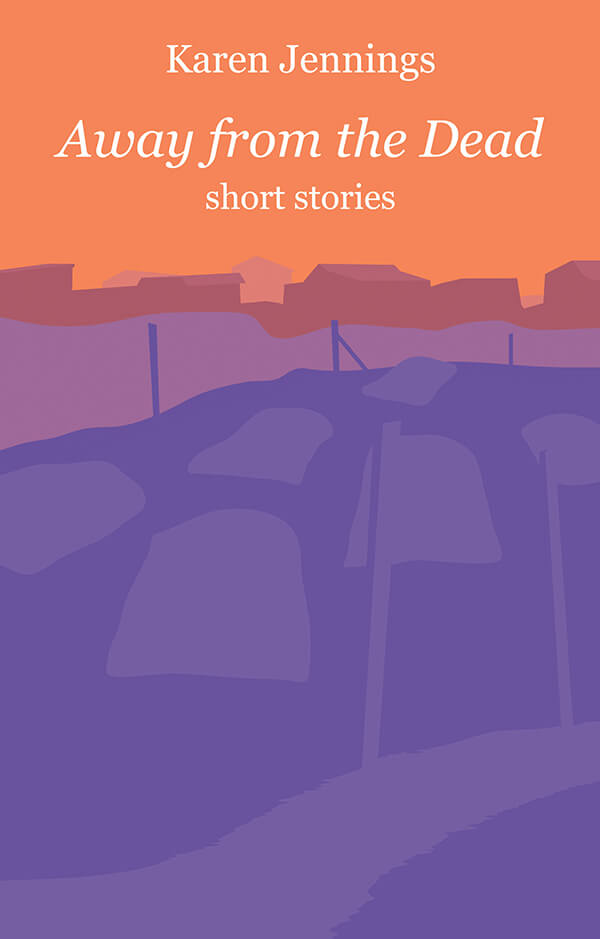



Hephzibah Anderson reviews AN ISLAND by Karen Jennings for the Observer
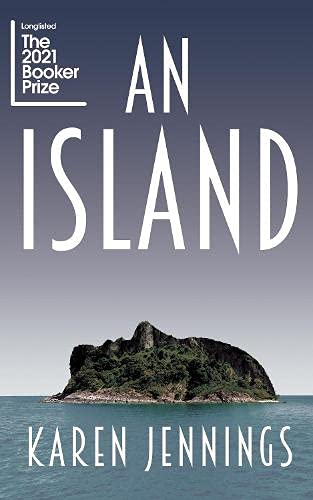
Karen Jennings’s taut, tenebrous novel describes what happens when Samuel, a septuagenarian lighthouse keeper and the sole inhabitant of a small island off the coast of an unnamed African country, acquires an uninvited houseguest.
[…]
An Island is the only small-press published novel on this year’s Booker prize longlist, and if its chances of making the final cut feel slender, its deft execution and the seriousness of its political engagement serve as a potent reminder of all that such titles add to the literary ecosystem. Those same qualities should also win it readers well beyond awards season.
The Observer
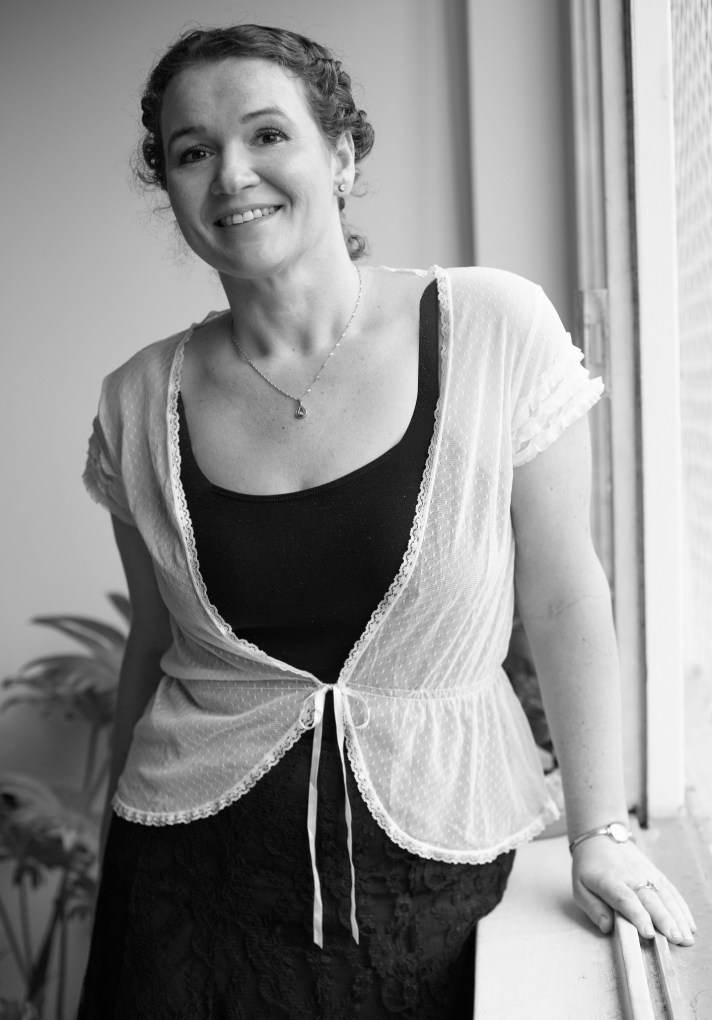
Karen Jennings in conversation with Karin Schimke on FMR’s Book Choice

You can listen to the interview from minute 39:00: BOOK CHOICE – enjoy!
 karavanpress.com