“Invisible Mending” by Dawn Garisch

In March, LIRIC Journal published a wonderful essay on life and creativity by Dawn Garisch. You can read it online here:

“Invisible Mending”

Abstract

One aspect of creative writing not well understood or researched is how associations from the unconscious can bring spontaneous and unexpected insights and connections to the writer’s awareness. This feature promotes wellbeing by providing motivation to alter harmful attitudes and behaviour. From linguistics comes the term mirativity, which expresses a speaker’s surprise at the discovery of new information. Mirativity can also apply to the creative writing process, when unforeseen and beneficial material appears from idiosyncratic associations, and therefore cannot be reproduced by AI. Creative writing is a low-cost, inbuilt resource to help people manage their lives and circumstances, to bear witness to influence policy change, and to improve self-care.

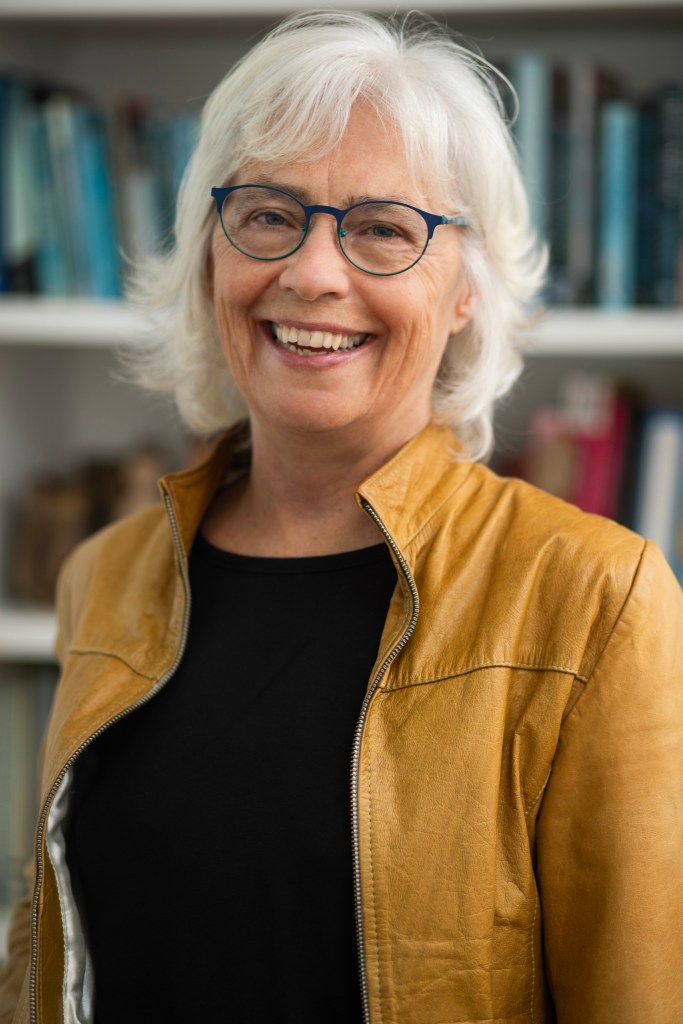
Dawn Garisch is an author and medical doctor. She is a founding member of the Life Righting Collective (liferighting.com), running writing courses. She has had seven novels, poetry, short stories, a nonfiction work, and a memoir published. She has had five plays and a short film produced, and has written for television. Dawn has won numerous awards for her published works.

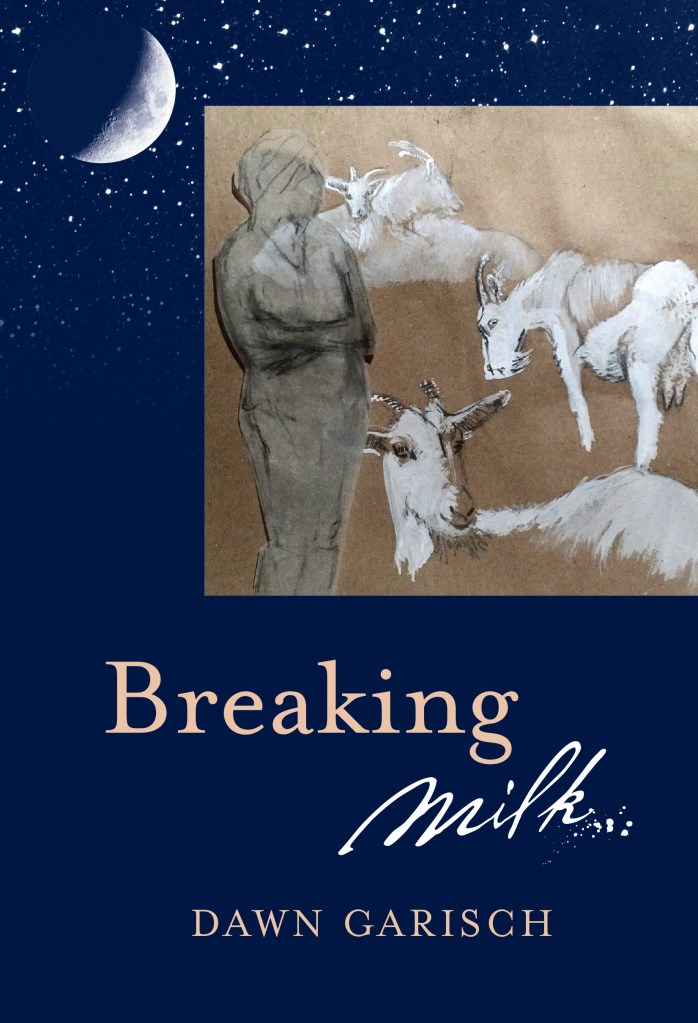
Karavan Press published the following titles by Dawn:
Karavan Press and Indeed Books at the FLF 2026

The Franschhoek Literary Festival is nearly upon us and what a fabulous programme to look forward to again this year! Taking place between 15 and 17 May 2026, it will host many stunning literary events, with some food and music and other delights thrown into the mix. Three of our writers – DAWN GARISCH, ROGER LUCEY and SHERYL JAMES feature on the programme. Please come and join us for their and many other events. We look forward to celebrating the joy of storytelling with you.

BREAKING THE FORM: EXPERIMENTAL FICTION

  • Friday, 15 May, 2026
  • 11:30 – 12:30
  • Hospice House

Not all novels move in straight lines. Some fracture, circle or whisper. In this conversation, writers Dawn Garisch (The Consulting Room) and Rémy Ngamije (Only Stars Know the Meaning of Space) join Letlhogonolo Mokgoroane to explore narrative risk, structure, style and why some stories refuse to behave.

STORYTELLING AND SONG WITH ROGER LUCEY

  • Friday, 15 May, 2026
  • 16:00 – 17:00
  • Church Hall

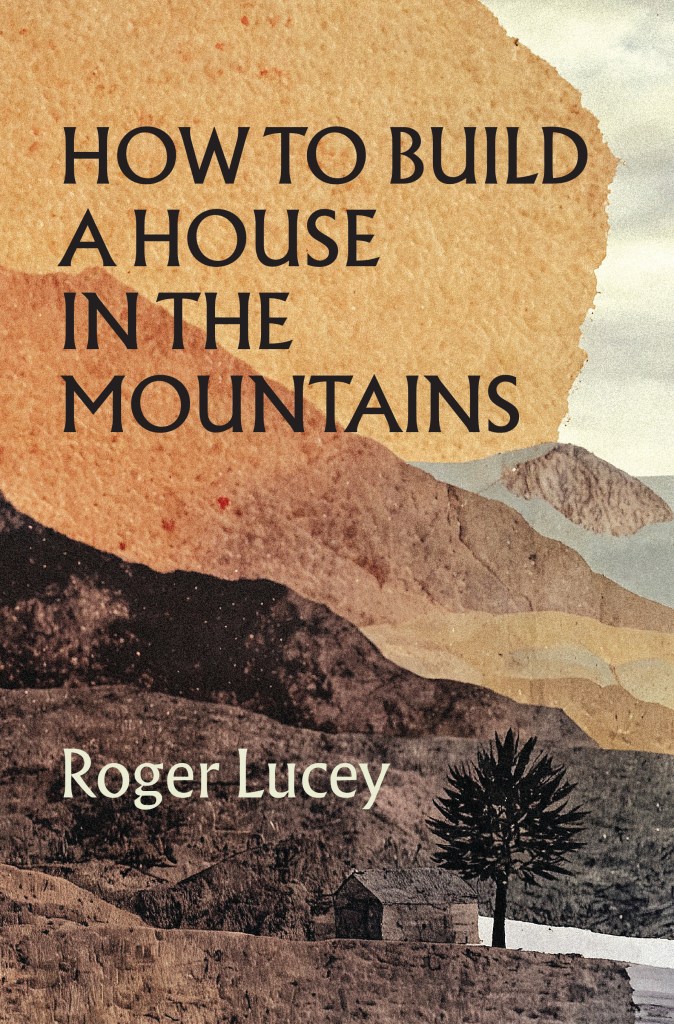
Roger Lucey’s music career was silenced by apartheid’s security police. In this intimate performance of songs and storytelling, he reflects on survival, rebuilding and finding his way back to creativity in the Breede River mountains, inspired by his memoir How to Build a House in the Mountains.

MOVING BEYOND LIMITS

  • Sunday, 17 May, 2026
  • 11:30 – 12:30
  • Council Chambers

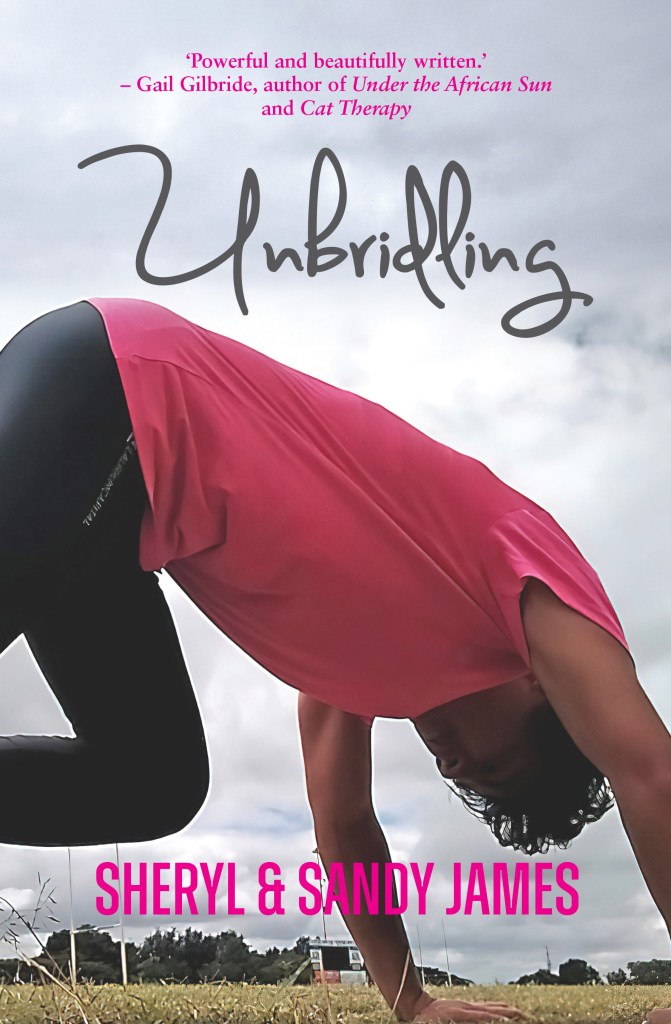
South African Paralympian, Sheryl James (Unbridling), has spent her life pushing past boundaries. She joins Africa Melane to reflect on defying expectations, silencing doubt and redefining the limits of human potential.

Full programme: FLF 2026

Tickets: Webtickets

Karavan Press title: The Consulting Room by Dawn Garisch

With poignant wit and insight, The Consulting Room awakens our senses.
HANI DU TOIT

Poet

When I was young
I spoke from the wound
with one determined voice.

There’s still breath enough
to loosen the verse and sing
the selves buried beneath the sermon.

About the author

DAWN GARISCH is an author and medical doctor. She is a founding member of the Life Righting Collective (liferighting.com), running writing courses. She has had seven novels, poetry, short stories, a nonfiction work and a memoir published. She has had five plays and a short film produced, and has written for television. Her poem ‘Blood Delta’ won the DALRO prize (2007); Trespass was shortlisted for the Commonwealth Prize in Africa (2010); ‘Miracle’ won the EU Sol Plaatje Poetry Award (2011); and ‘What to Do About Ricky’ won the Short.Sharp.Stories competition (2013). Her novel Accident was longlisted for the Barry Ronge Sunday Times Fiction Award (2018), and her novel Breaking Milk was shortlisted for the Sunday Times/CNA Fiction Award (2021) and was published in the UK by Héloïse Press in 2024. Her first collection of short stories, What Remains, won the HSS Award for Best Fiction Short Stories and the Nadine Gordimer Short Story Award in 2024. The Consulting Room is her third collection of poetry.

    ISBN: 978-0-6398626-8-2

    Publication date: November 2025

    Karavan Press at Books on the Bay 2025

    Please join us between 14 and 16 March 2025 for Books on the Bay, a wonderful celebration of local literature and inspiration, now in its third year.

    Karavan Press authors participating:

    Saturday, 15 March 2025

    10:15-11:00 METHODIST CHURCH

    In the famous words of Lorrie Moore, “A short story is a love affair, a novel is a marriage.” Award-winning short story exponents Dawn Garisch and Diane Awerbuck discuss with Bongani Kona the joys and challenges of their relationship with the alluring genre.

    13:15-14:15 METHODIST CHURCH

    The art of memoir: Anthony AkermanLucky BastardThobeka YoseIn Silence My Heart SpeaksJulia MartinThe Blackridge House. Led by Jo-Anne Richards, three leading exponents reflect on life-writing and the life-changing process of memoir writing.

    Sunday, 16 March 2025

    9:00-10:00 TOWN HALL

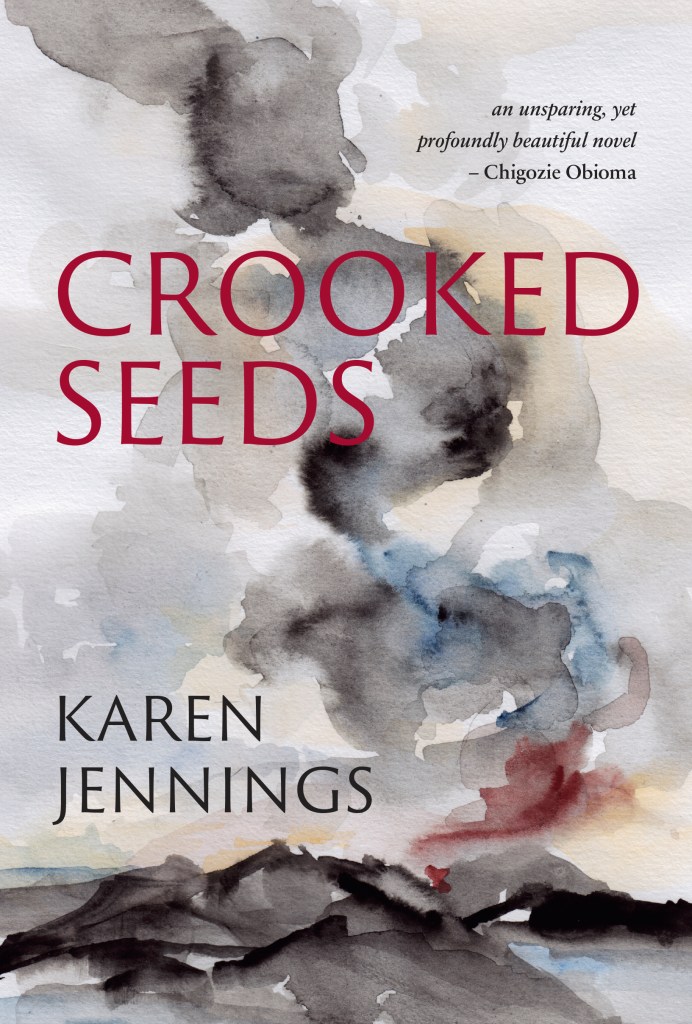
    Karen JenningsCrooked Seeds, longlisted for the Women’s Prize for Fiction

    11:30-12:30 TOWN HALL

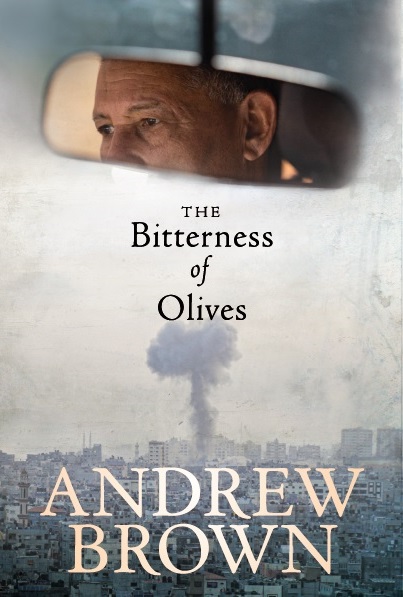
    Andrew Brown – The Bitterness of Olives: In this remarkable novel set in Gaza City, Andrew Brown – current Sunday Times Fiction Award holder – explores a complex friendship battered by political forces. In conversation with Michele Magwood.

    Celebrating ‘What Remains’ by Dawn Garisch

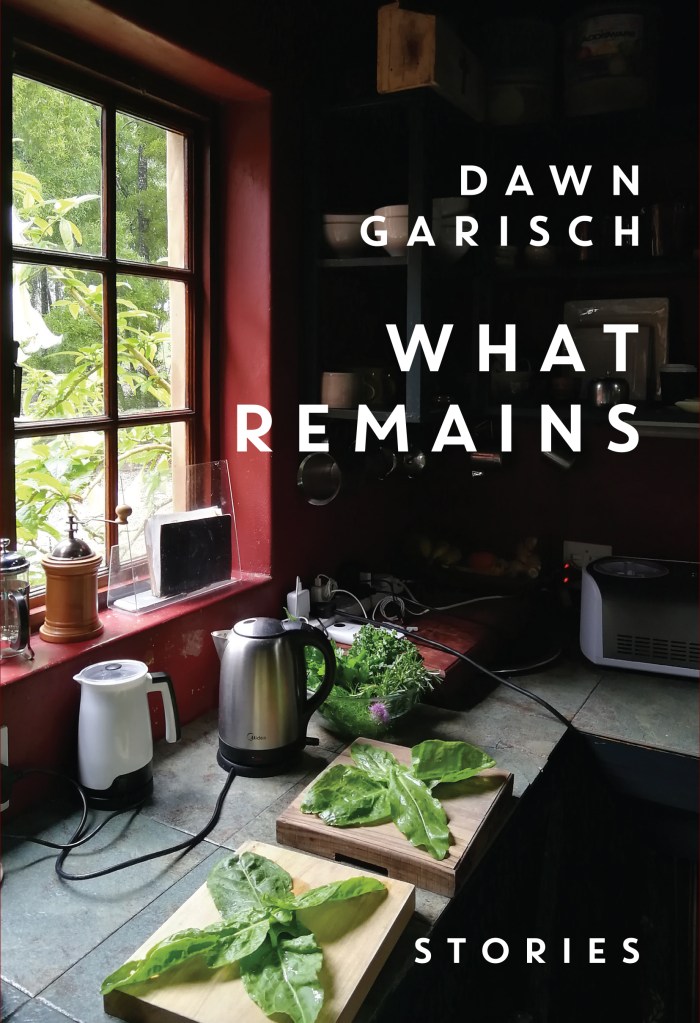
    Last year was a remarkable year for Karavan Press in all kinds of ways, but specifically in terms of literary awards. Karavan Press authors won five major awards, two of which recognised What Remains by Dawn Garisch. The story collection won the HSS Award for Best Fiction Short Stories and SALA’s Nadine Gordimer Short Story Award in 2024. In order to celebrate this wonderful achievement, we will be relaunching the collection at Exclusive Books Cavendish on Wednesday, 29 January, 5.30 for 6PM. Dawn will be in conversation with Mathapelo Mofokeng. Please join us for the celebration!

    To RSVP, click here: Exclusive Books Cavendish

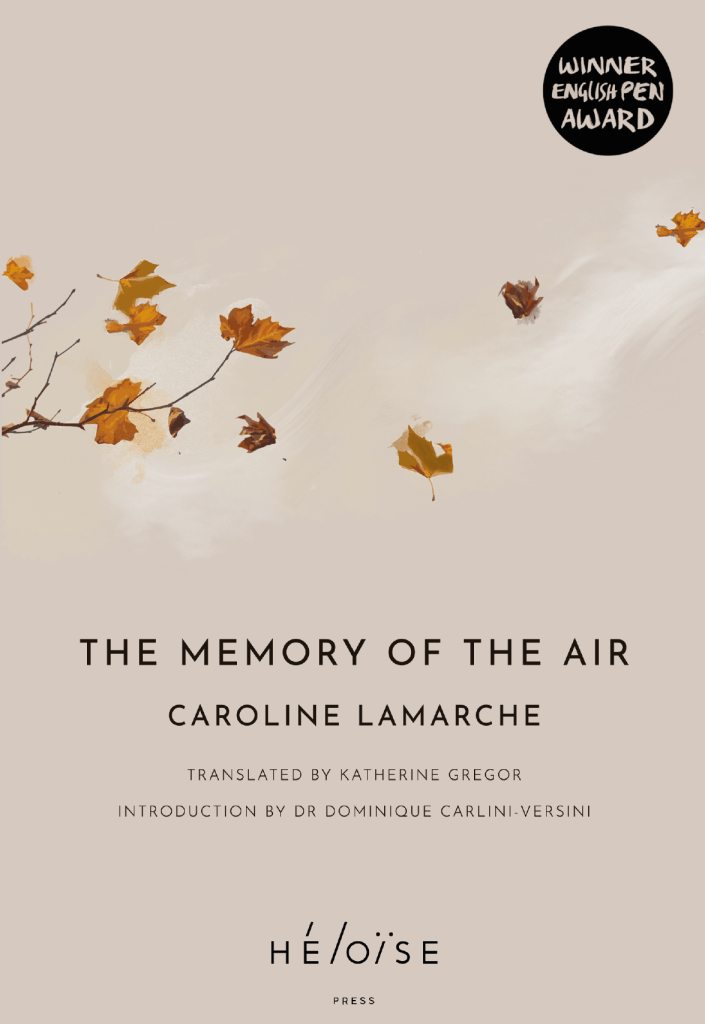
    Dawn Garisch reviews The Memory of the Air by Caroline Lamarche

    Words are never sufficient, there comes a time when the body naturally takes over, so to speak. (73)

    In the introduction, British academic Dr Dominique Versini describes Belgian author Caroline Lamarche’s book as semi-autobiographical. She alerts us that the text concerns rape, and commends Lamarche for her contribution to the subject.

    So we enter the story knowing that this specific form of violence will be / has been committed. By whom? Where? How? This replicates the chronic uncertainty many women experience, aware of the prevalence of rape, and that it is frequently committed by someone familiar.

    In the opening chapter, the protagonist dreams of a dead woman lying in a gully. This dream body compels the author, in tandem with the reader, to make the regular and dangerous descent, visiting her and what she stands for in order to care for her and to understand her. She is both dead and alive, both old and young, she is dead yet no longer disempowered.

    The rest of the book is the slow uncovering of the story within the story.

    Early on, we meet the last man she loved, whom she calls Man-fore (man before what? is a question that haunts the reading); much of the book dwells on the complexities of this relationship as the story spirals in towards several disparate yet related events and their aftermath. This exploration includes how one might recount the story of trauma, and to whom; how that story is received, interpreted, and then used for or against the person describing what happened. Both the police and someone close to her use details of her narrative against her; the reader might also find themselves weighing up the contributing factors in her account − even as the protagonist makes herself extremely vulnerable in the telling − thereby deciding how and where our empathy might land.

    Writing is a form of witnessing; through this practice, the writer might uncover the depths of their own experience, thus supporting her quest for meaning and for finding some resolution. A reader, following the author’s process, could also come to a new understanding.

    Lamarche’s book did that for me. Her skill in using understatement and stream of consciousness, together with evocative images, has left me with much to ponder after a powerful emotive experience, despite her relatively unemotive language. I am reminded of Annie Ernaux’s work.

    The final scene in the book makes an analogy that is shocking and perceptive, expanding our understanding of the author’s narrative. As a writer, reader, and woman, I found this book original, compelling and thought-provoking.

    The Memory of the Air by Caroline Lamarche (Héloïse Press)