“Invisible Mending” by Dawn Garisch

In March, LIRIC Journal published a wonderful essay on life and creativity by Dawn Garisch. You can read it online here:

“Invisible Mending”

Abstract

One aspect of creative writing not well understood or researched is how associations from the unconscious can bring spontaneous and unexpected insights and connections to the writer’s awareness. This feature promotes wellbeing by providing motivation to alter harmful attitudes and behaviour. From linguistics comes the term mirativity, which expresses a speaker’s surprise at the discovery of new information. Mirativity can also apply to the creative writing process, when unforeseen and beneficial material appears from idiosyncratic associations, and therefore cannot be reproduced by AI. Creative writing is a low-cost, inbuilt resource to help people manage their lives and circumstances, to bear witness to influence policy change, and to improve self-care.

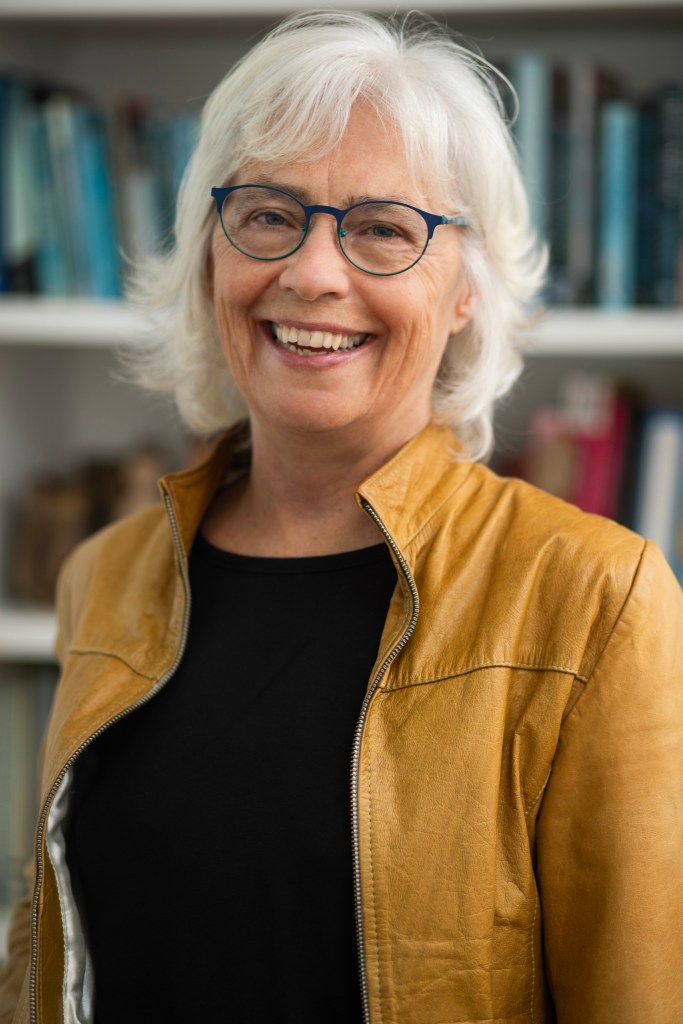
Dawn Garisch is an author and medical doctor. She is a founding member of the Life Righting Collective (liferighting.com), running writing courses. She has had seven novels, poetry, short stories, a nonfiction work, and a memoir published. She has had five plays and a short film produced, and has written for television. Dawn has won numerous awards for her published works.

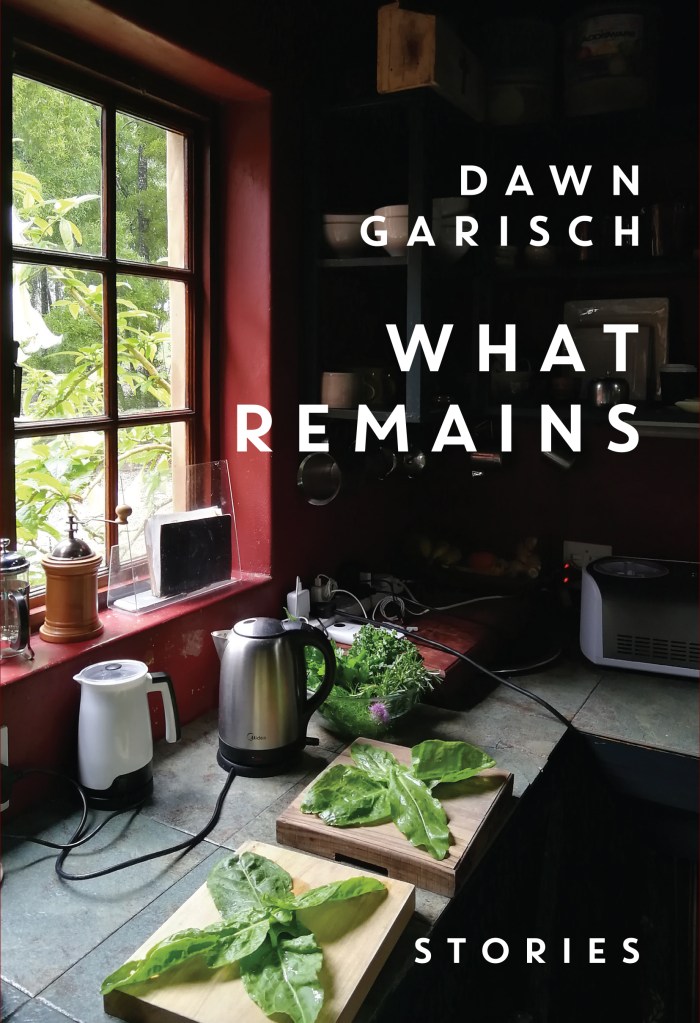
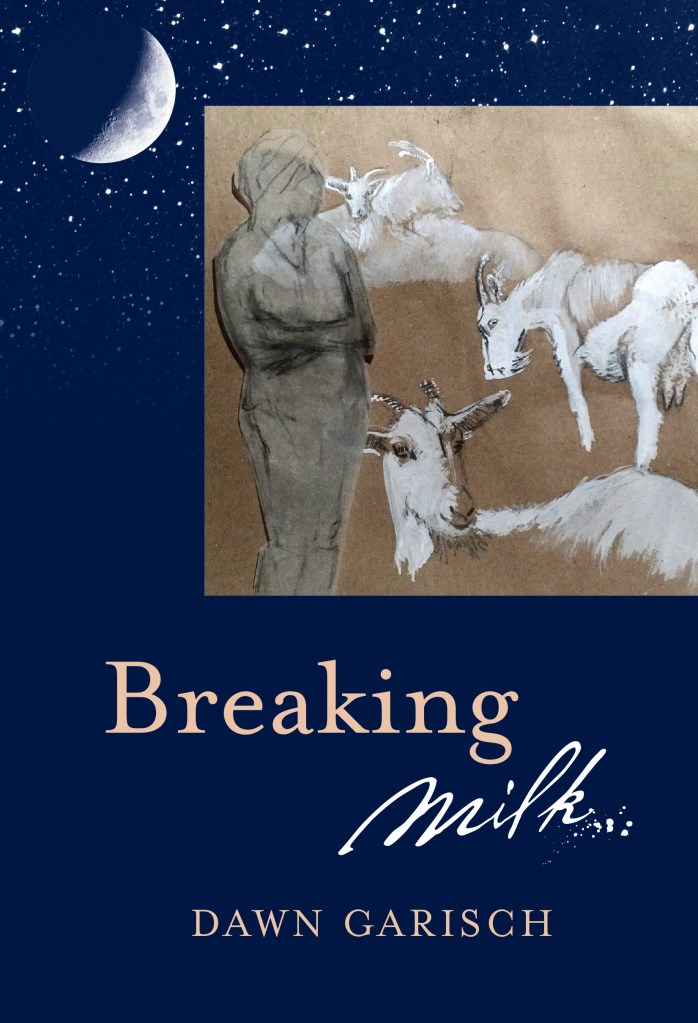
Karavan Press published the following titles by Dawn:
‘Still beating, reflecting on heart attacks and writing in the City of Gold’ by Mike Boyd

I listen to Johannesburg move around me, and I wonder how she is still able to act like nothing is wrong. When that is all I can see. Why she is not angry. I’m tired of being angry.

I have started to walk everywhere. I tell myself it is because I want to research my next novel. I’ve had an idea, and it involves walking the streets of the city. It’s got a big concept, but I want it to be written with a low-key, tangible realism. There are angels and monsters. I want the reader to experience Johannesburg from the ground. So, I walk to the shops whenever we need anything. I find myself making excuses to go, despite the winter darkness approaching earlier and earlier. Even better. But it’s not just the unwritten novel that pulls me onto the road. It’s not that I need to be healthier now. It’s not that I want to get my 10 000 steps each day. The real reason is more complicated. I want to hold onto the present. Be present. Slow down time. Slow it down so much that I might somehow return to a time before now, when I used to walk more.

I listen to the city move around me. The ever-present highway hums in the distance, in time to my step and the passing cars and the other walkers. To feel a part of this great madness, I realise, makes me feel smaller. And that’s what I need right now. As I pass under the shadows of the bare trees in the pale winter sun, I am reminded of what one of the main characters from my novel says: “I don’t know what to believe anymore … it all feels so heavy on my mind. The weight.” Although I was able to explain this away with convoluted literary ideas when asked about it at book launches, for the first time I understand it for myself. The weight of thoughts can have a bearing on one’s spirit …

Continue reading: LitNet