

I have been in some unexpected, uncomfortable and unsettling situations in my book journeys. But never quite like the one that stretches out in Tunnel. The title itself conjures a certain inescapability with a darkness, at the end of which there is not always light. A tunnel is described as an ‘artificial passage – especially one built through a hill or under a building road or river’. It’s the artificial bit, that gets to me, it’s not natural and in this particular tunnel, it’s certainly not normal.
It starts out innocently enough with Andreas and Samuel sniping at each other in the familiar, but spikey the way that couples getting on each other’s nerves do. They’re in Samuel’s inherited Oldsmobile, a bad start, and headed for a much-needed weekend away – on a road that goes through a mountain, via, yup, a tunnel. If you’re from the Cape, you’ll recognize which one. But if you’re phobic about breaking down in a tunnel, better stop reading now. Because this is when the you-know-what hits the fan. Suddenly they’re not alone. Enter a khaki-clad woman just flown in from Harare, in a red rental. Turns out she’s a location scout, but the point is, she’s competent, not so the boys. And then there’s the robotic radio message. And just when you think you’ve got this, clearly this is no ordinary aborted road trip. ‘Ledi and the man’s eyes met as they listened. In the orange light of the tunnel, his eyes shone like amber, studded with inclusions, a glistening stillness at odds with his demeanor.’ Nor is it no ordinary piece of writing.
More characters enter the uncompromising tunnel and psychologies start to clash – it’s complicated, there’s a minibus full of previously screaming little girls, a diabetic driver and ‘they’, Mo, a bristly roadblock officer, with personal issues. There are ominous seismic noises off and the insistent Voice of South West.
Actually, all the entrapped have got issues, one way or another – and they’re all starting to snipe. I couldn’t possibly tell you what happens without giving you an escape route – but there’s a wreck, ants, the incisors of a grey-brown baby and a desiccating lack of liquid and food involved. Apocalyptic springs to mind. I can only suggest you take the book to bed with a large glass of water, a strong nerve and hopefully someone who will give you a reassuring hug. It’s just a story. I think.
First published on the Good Book Appreciation Society.
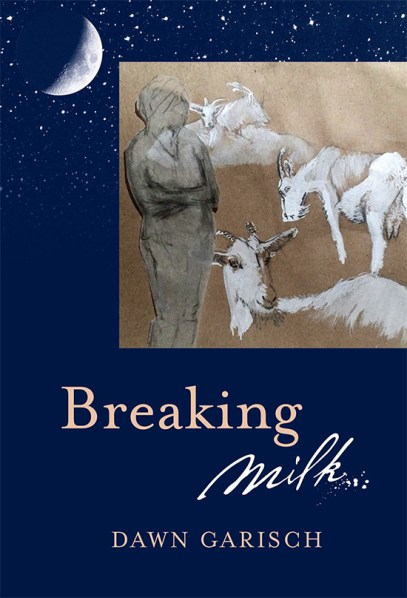 I fell into Kate’s voice, wise with middle-age, cuttingly honest, panic-stricken. The elegance of the prose seduced me away from my secular life into a full day with an ex-scientist who has taken up cheese making in the country. As I hung out with Kate during a critical day in her life I felt her rage against man’s abuse of nature; her denial, her screaming anxiety about her baby grandchildren. I felt her hand in the vat as she breaks the milk over and over, refusing to admit that she is a nervous wreck.
 karavanpress.com