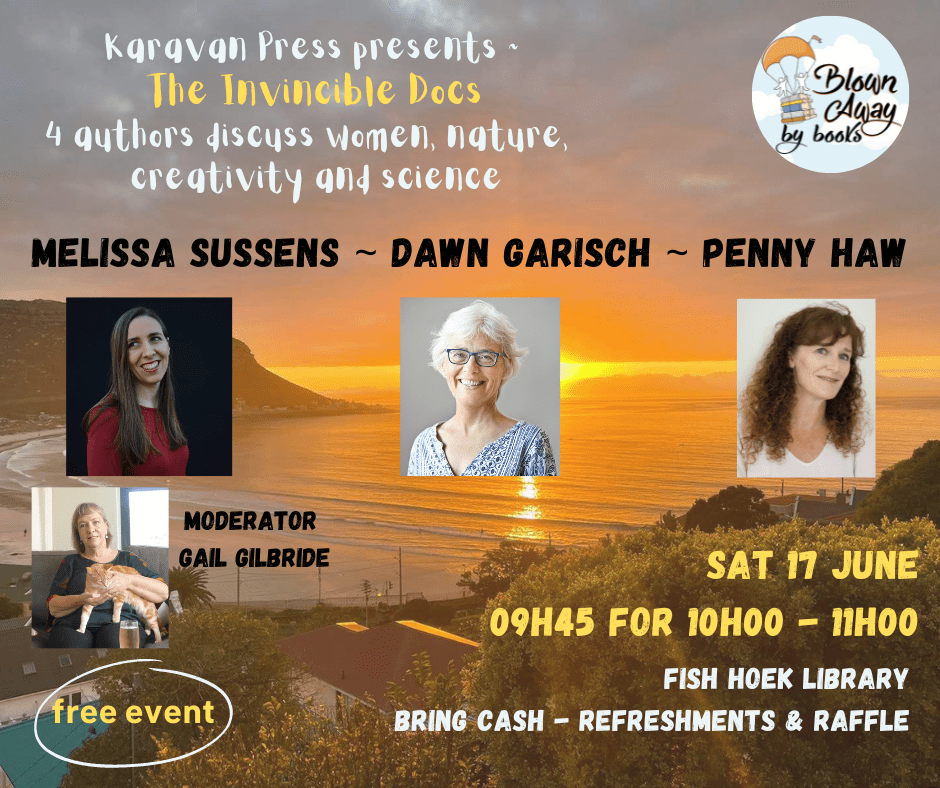
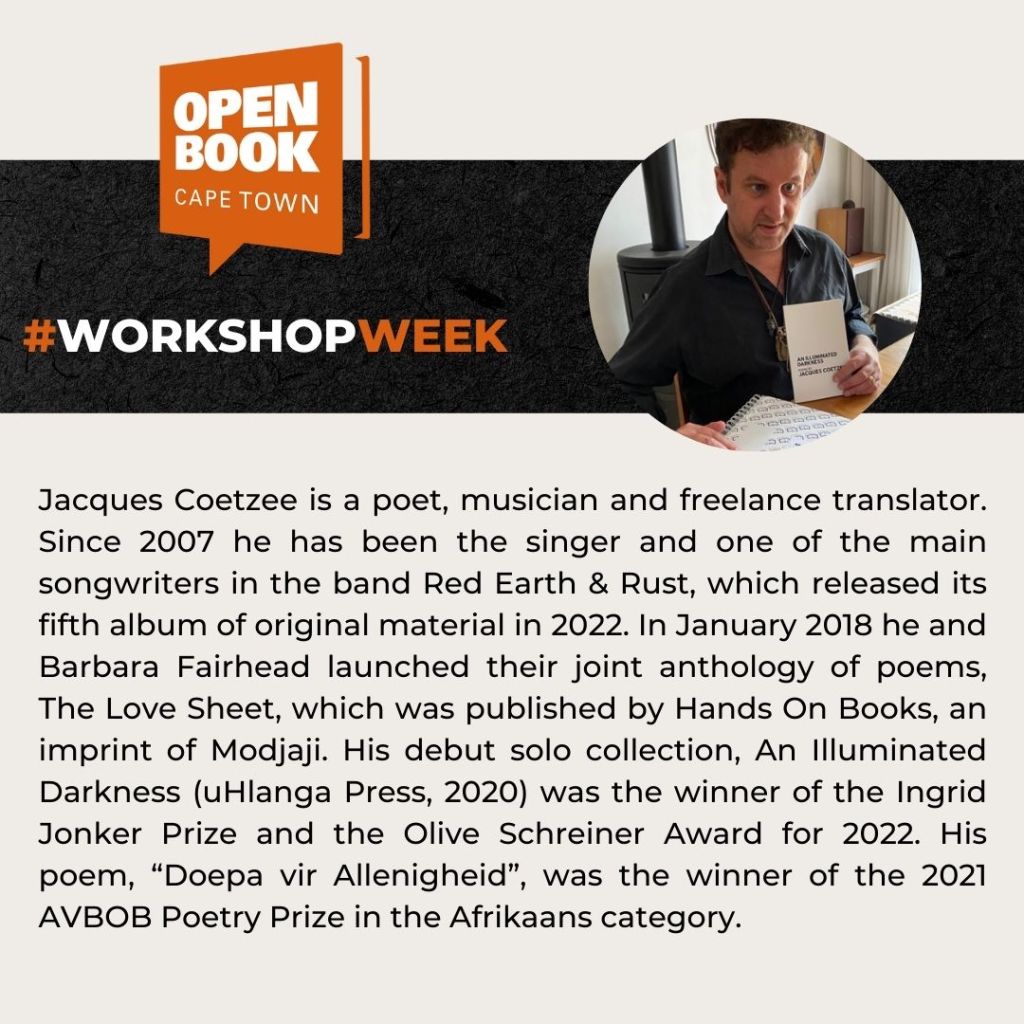
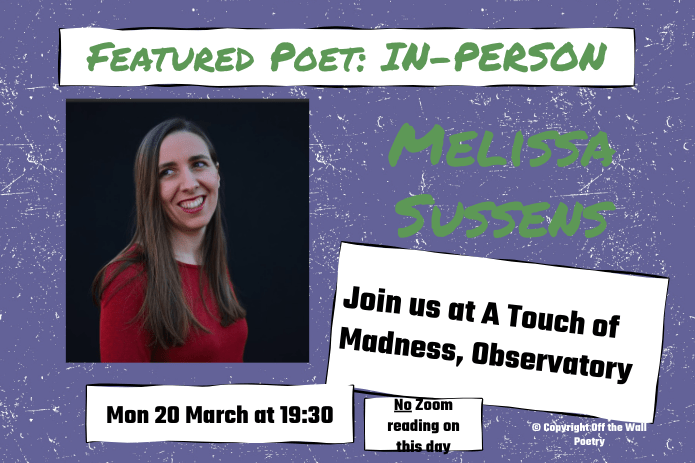
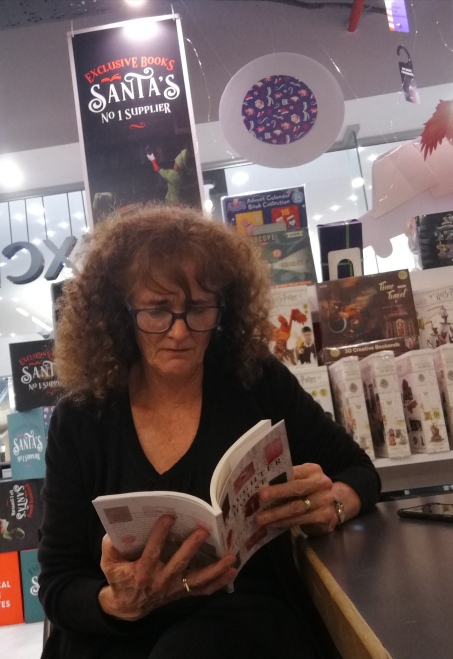
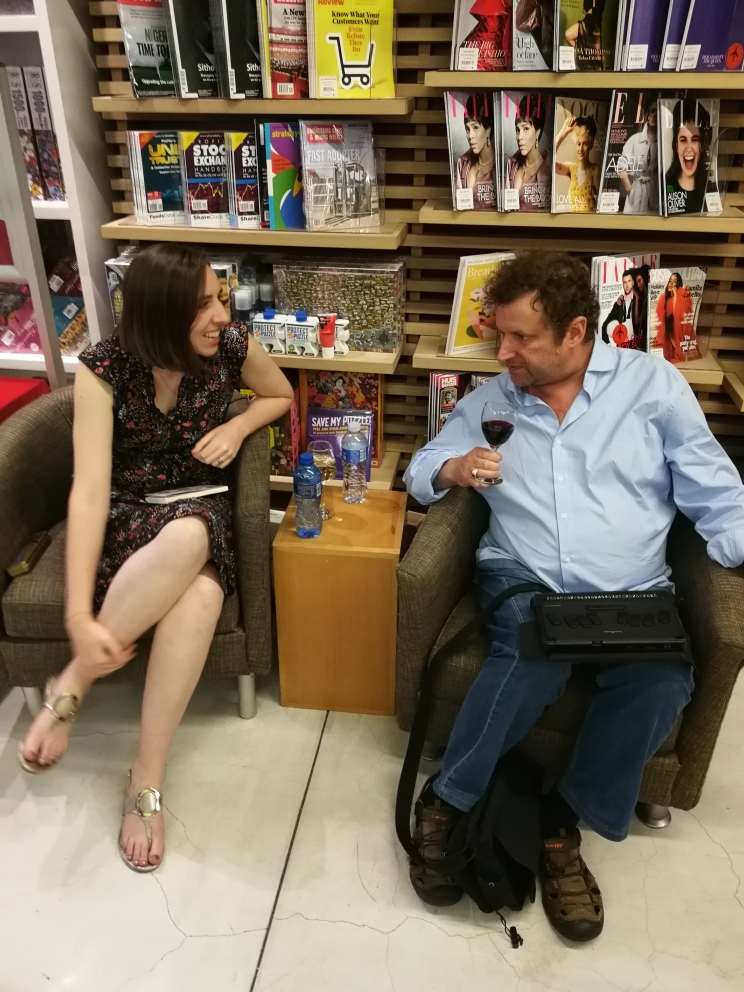
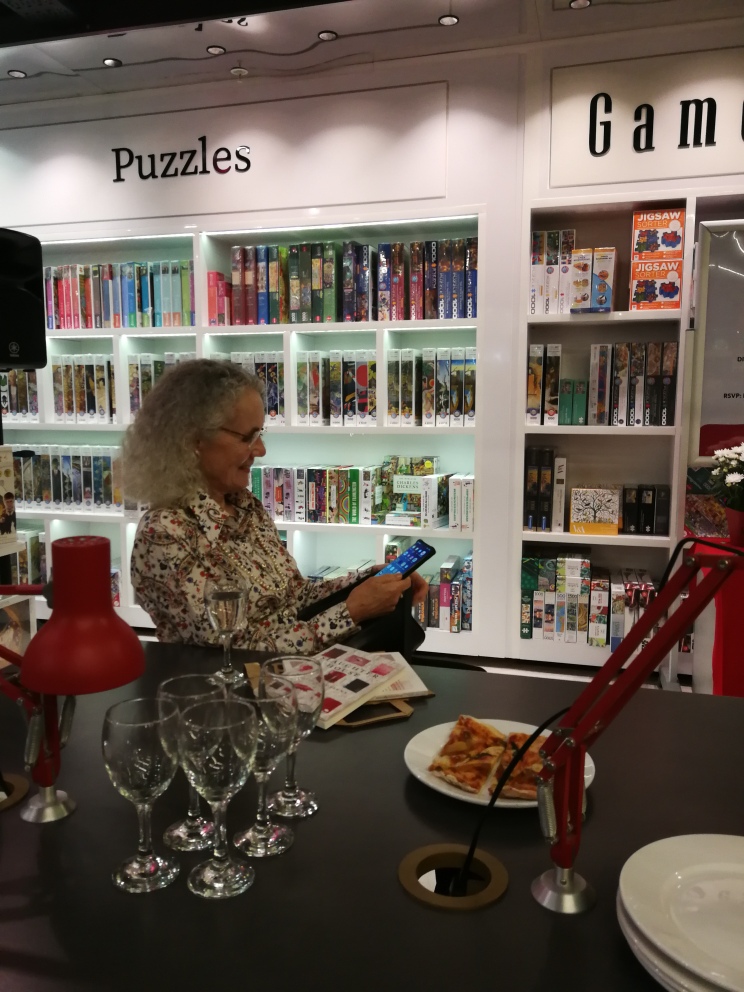
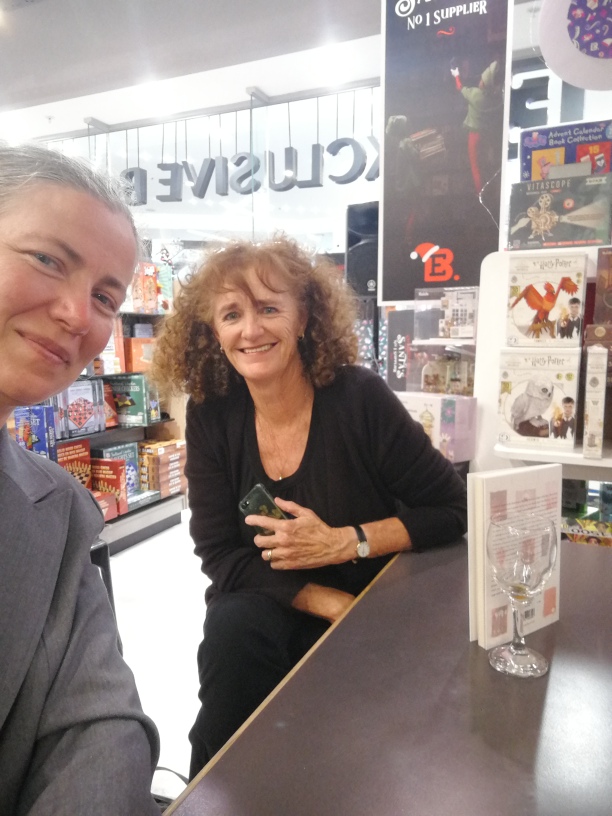
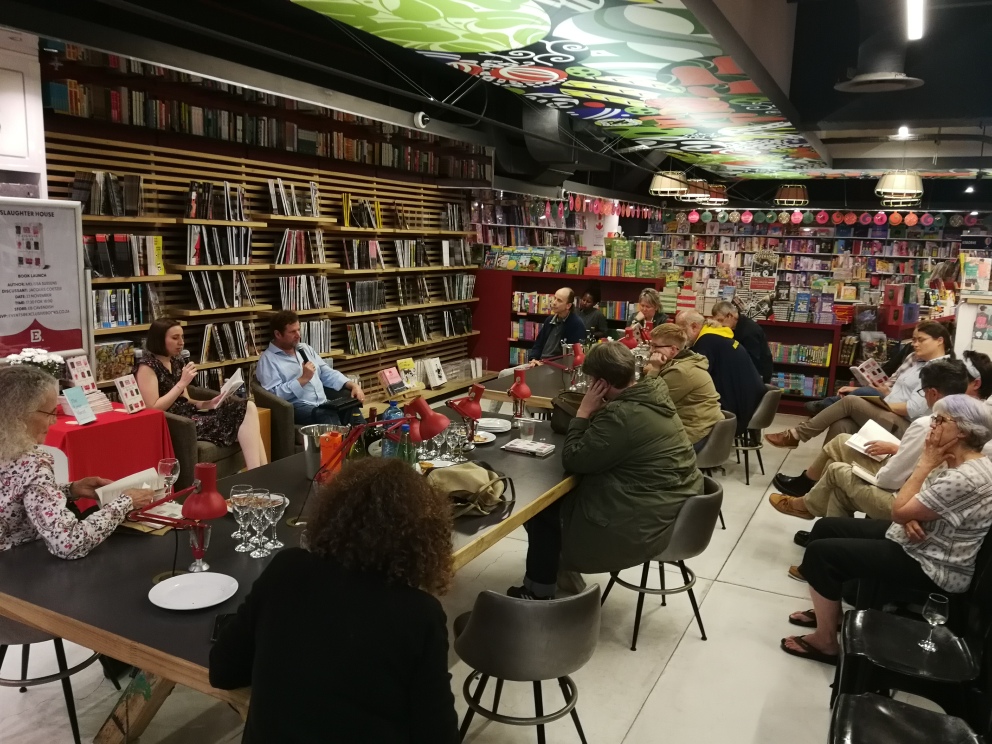
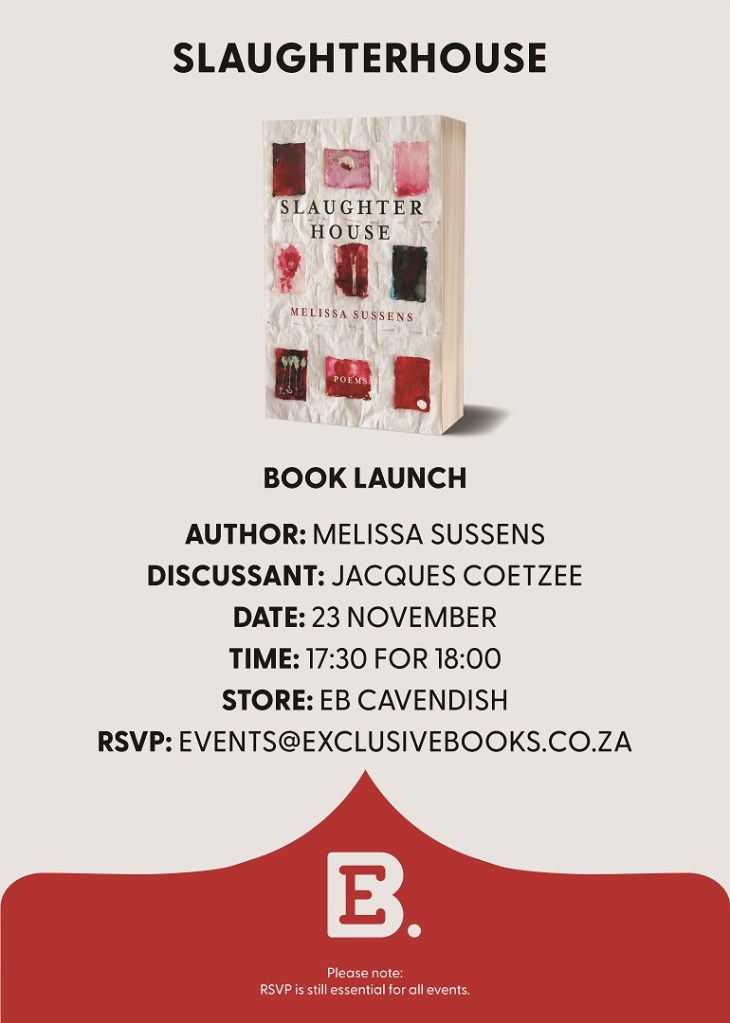
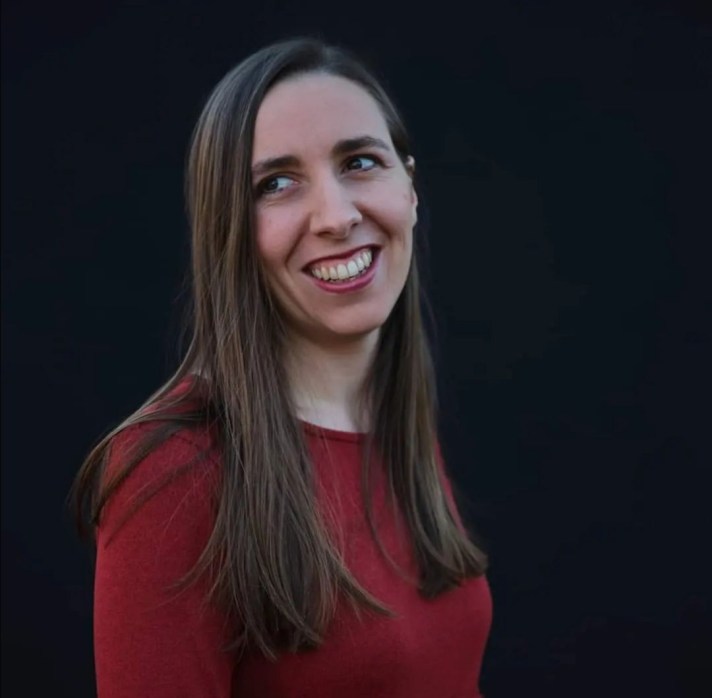
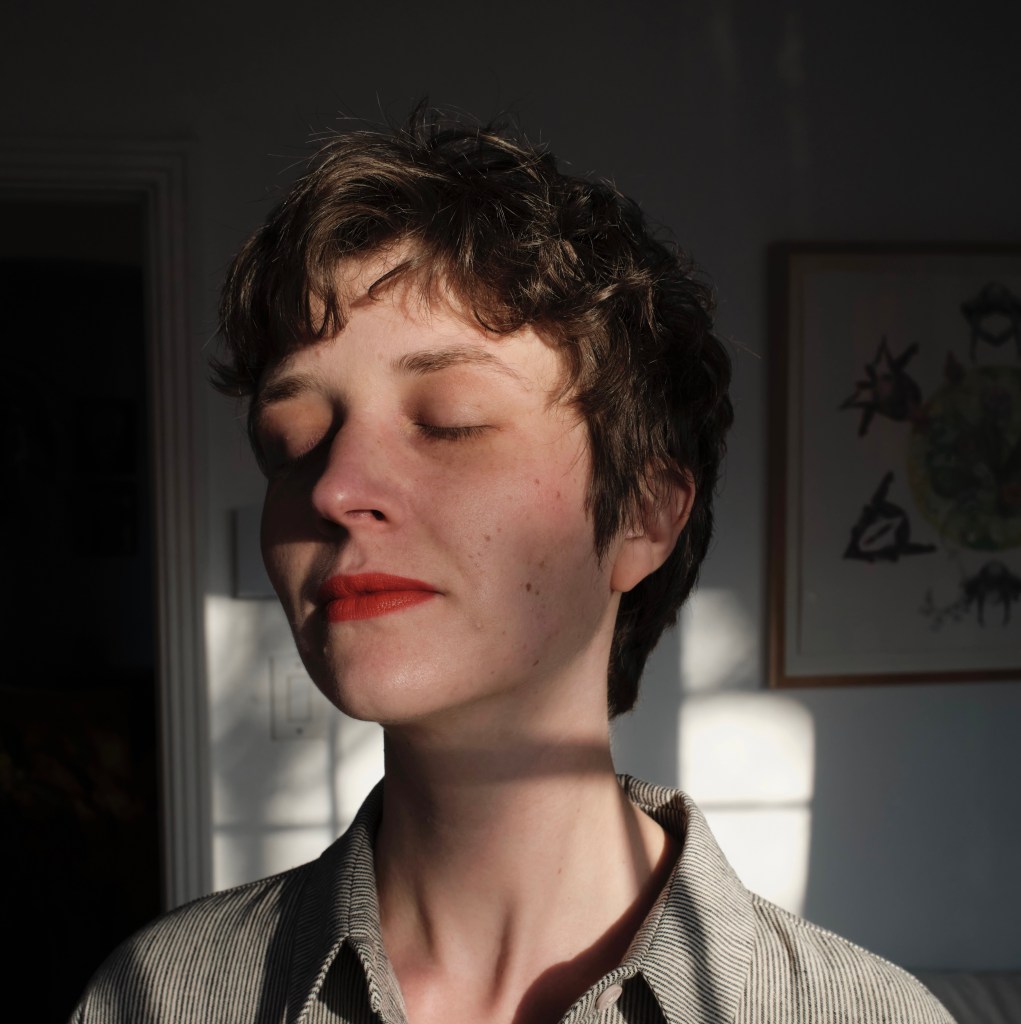
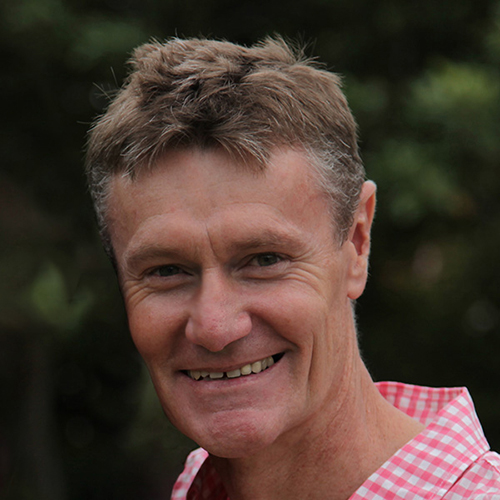
Last night at Exclusive Books Cavendish: a beautiful evening of poetry and celebration. Melissa was in conversation with Jacques Coetzee. Their exchanges about the craft of poetry were inspiring, and Melissa’s reading of her poetry moved all the hearts present.
Thank you to Melissa, Jacques, Linda and the team at EB Cavendish, and all poetry lovers who attended.
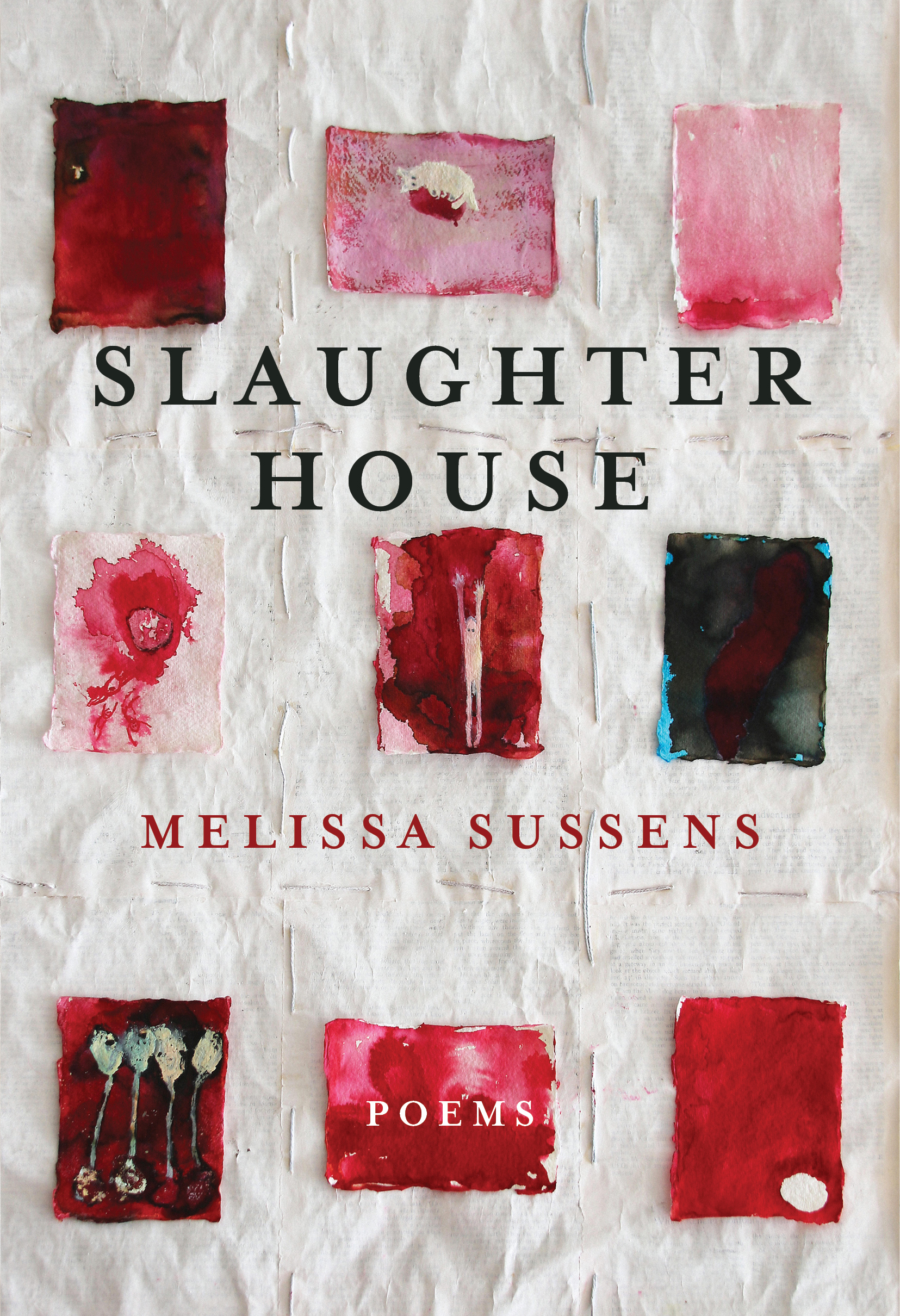
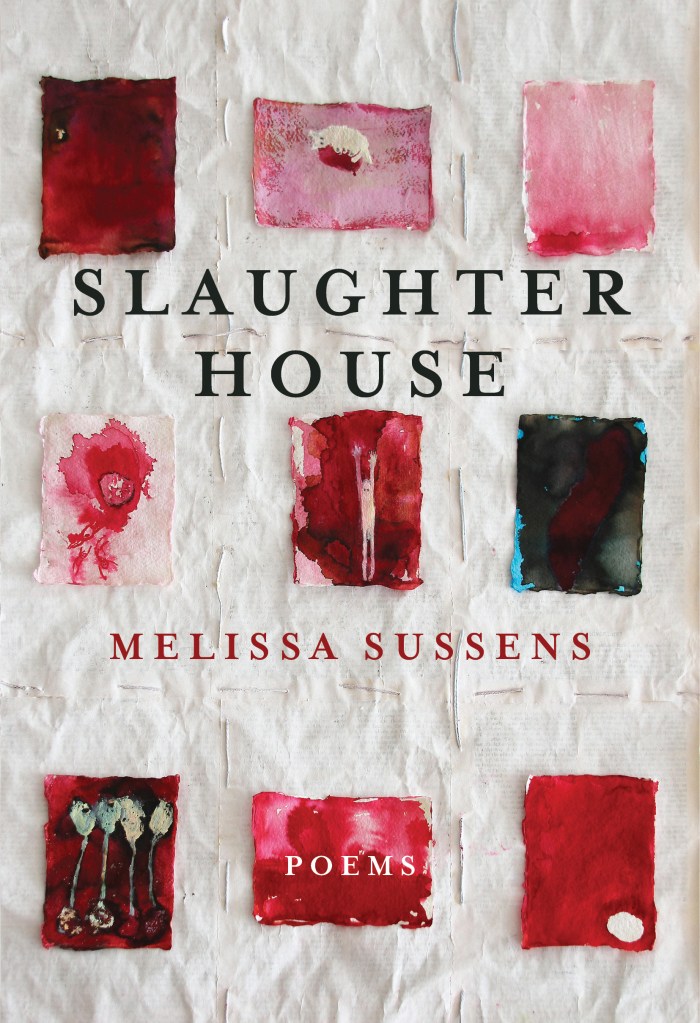
A while back, Jacques also interviewed Melissa for AVBOB Poetry. If you missed the launch of Slaughterhouse, please read the interview below.
Jacques Coetzee – Ingrid Jonker, Olive Schreiner & AVBOB Poetry prize winner and author of An Illuminated Darkness (uHlanga Press, 2020) – interviews Melissa Sussens about her debut collection, Slaughterhouse.
JC: Judging from its title, the catalyst for the poems in your upcoming collection was the year you spent working at a slaughterhouse as part of your compulsory community service after qualifying as a veterinarian. Did you consciously set out to complete a body of work in order to deal with this trauma, or did you slowly realise over time that this was what you were doing?
MS: Writing about the slaughterhouse began with the poem which ended up as one of the winners of the 2020 New Contrast National Poetry Prize. Writing that poem unlocked something for me and I realised that I could write about these niche, specific experiences in a way that could be related to a universal human experience. I think I needed to write about that time in order to process it, but I didn’t expect to get a book out of it.
JC: One of the most striking qualities in your work is its ability to tell stories. Was storytelling an important part of your life growing up? Is this something you think about while writing, or does it come naturally to you?
MS: I have always loved reading and living myself into stories. Discovering that poems could tell stories the way longer pieces of writing do was a magical realisation for me. I want to be a storyteller first. I hope my poems connect with people in ways that are understandable and grounded. I don’t want readers to leave my work feeling they “don’t get it” or that my poems only exist in the clouds.
JC: How did poetry enter your life? Do you remember a particular moment when you knew that poetry was something you wanted to pursue seriously?
MS: My earliest memory of writing poetry was creating rhyming treasure hunt clues as a kid for my younger brother’s birthday party. My first taste of being a “published poet” was as a young teen when I had a few poems published in Teen Zone magazine. As a student I sought out that feeling of connection again and started sharing my writing with friends and then at open mic events (shoutout to Spoken Sessions in Pretoria). But it was only after doing a poetry writing and editing course with American poet, Megan Falley (Poems That Don’t Suck) back in 2018 that I started taking my writing, and more importantly my editing, more seriously.
JC: Another aspect of your work that fascinates me is the attention it pays to form. I am thinking, for instance, of your pantoum about gender-based violence in South Africa, of Slaughterhouse Sestina and Euthanasia Pantoum. Do you enjoy working with difficult forms for their own sake, or is this also partly a way to focus or contain powerful emotions?
MS: I love using forms as tools to unlock my writing. They feel like puzzles to me, especially the sestina, and I love the challenge that provides. I also find it interesting how sometimes a form can allow me to find an angle that I wouldn’t have otherwise found if I was writing free verse.
JC: You write movingly about your work as a vet, risking territory where many writers would become sentimental or cute. I suspect that the success of these poems has something to do with your taking up of alternative personae, like the euthanasia syringe used to dispatch pets who can no longer be treated.
MS: I find persona-type poems very freeing. In writing them I am able to explore or express things in a way that I wouldn’t if I was writing in my own voice. I think they allow me to better imagine a situation from another angle. I am constantly searching for humanity, for connection through my writing.
JC: How easy is it to move between your work as a vet and the space in which your poems arrive?
MS: It varies. When I have a poem prompt or idea in my head I can spend my time at work playing with it in my thoughts or finding inspiration from incidents in my vet life that I can write about. But there are also times when I struggle to switch off my job mindset and focus on my more creative side. I would say I am generally quite elastic though. I spend most of my lunch hours on poetry – writing, editing or reading poems in the middle of my workday.
JC: Slaughterhouse contains piercingly beautiful poems of heartbreak, of innocence lost and regained, and ultimately about domestic happiness. Would you like to say something about the way poetry has helped you to maintain emotional well-being during difficult times? Do you think poetry can provide a kind of exorcism, or be a kind of talisman to help us navigate particularly challenging emotional terrain?
MS: Absolutely. I have experienced loneliness intensely throughout my life. For me poetry is a reminder that I am not alone, a way to connect the outside world with my internal one. Poetry is essential in my emotional processing, both in my personal life and in the hard aspects of my work. By writing these poems I can exorcise some of the negative emotions that would otherwise weigh me down.
JC: Perhaps surprisingly for a collection called Slaughterhouse, one of the greatest pleasures your poems afford is their flashes of humour. I am thinking of poems like The Drive and Blue, which seem to signal tormentedness but are really (for lack of a better word) tragicomic. Does this ring true? Is this quality in your work recognised enough, or do readers tend to miss it?
MS: Thank you so much for saying this! I have tried to bring some dark humour (I love tragicomic as a description of it) to my poems. I don’t think this is something that is recognised by most people. I think I mostly come across as a very serious person, and my poems probably do too. But I absolutely want people to find the humour or lightness within this collection too, to be able to laugh at life’s ironies alongside me.