
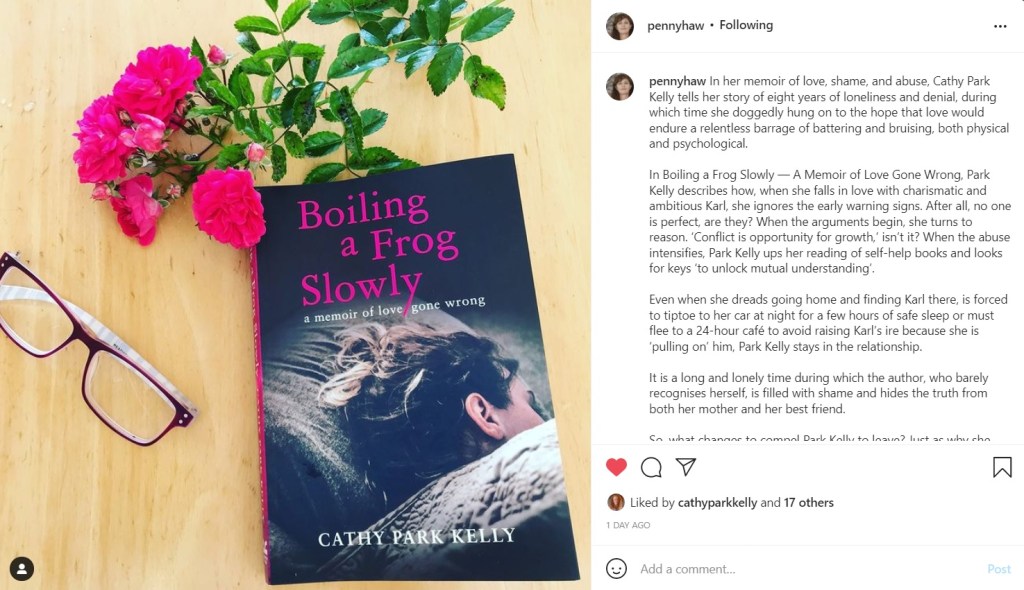
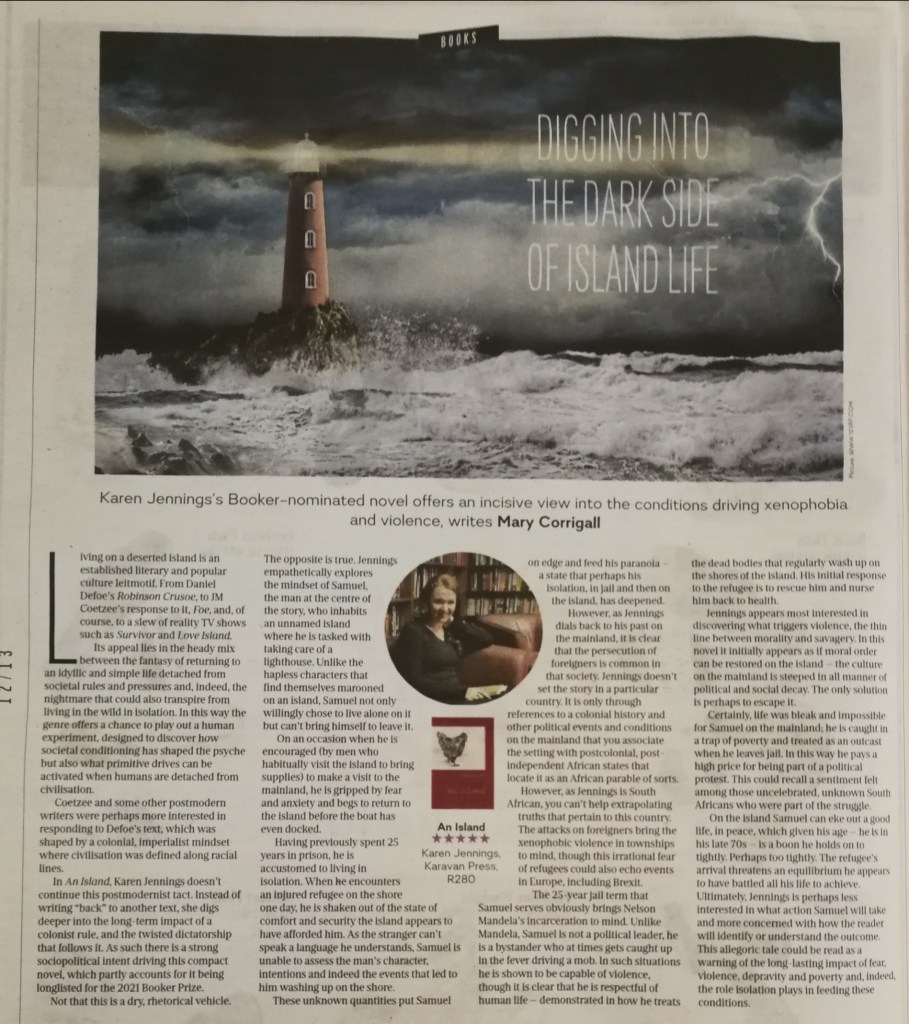
Click here to read the review: @pennyhaw
Click here to read the review: @pennyhaw
Sometimes, she says, when we are afraid that our own narratives are at risk of being erased, we stop investigating history, and risk becoming stagnant in the process. That is why we have an obligation to keep on interrogating the past as fully as we are able to. If there is a lesson to be had in An Island (I hasten to add that, to the story’s credit, it doesn’t trade in easy morals), it is that this obligation never comes to an end. We cannot, like Samuel, retreat to our little enclaves of memory and build walls to keep out the world. Even those of us battling ghosts from the past — and maybe especially those of us battling ghosts from the past — need to keep our noses to the wind, to the strange new forms of relation blowing in from distant shores.
Daily Maverick
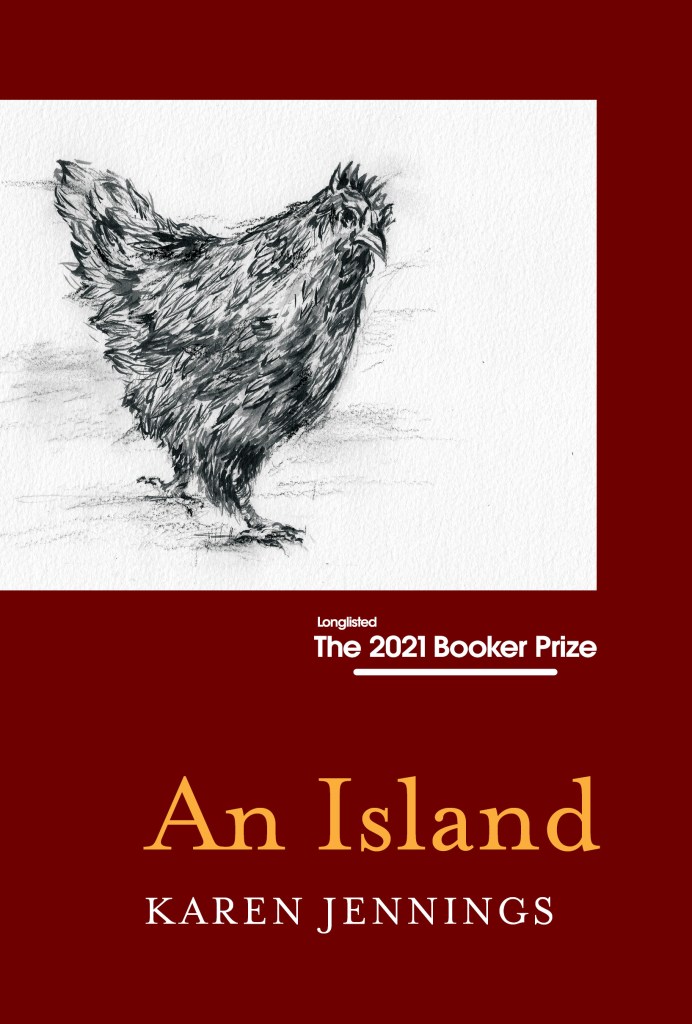


It’s tempting to imagine the island as a symbol of imperial ambitions, though the idea of Samuel, thwarted all the way by life, as an oppressor is also risible. If anything, An Island reveals the shifting sands of power and the persistence of inequality, even among the most wretched. Like her great literary forbearers—Doris Lessing, Nadine Gordimer and Coetzee—Jennings makes bold this ineradicable truth.
Mint Lounge

The impact of emigration is a fractious topic for many, and Mulgrew’s finely developed, sometimes messy, characters have been deeply affected by life events, losses and prejudices. When the group of rugby-mad expats encroach on the dream of the local self-appointed Māori leader, Mulgrew deftly draws comparisons between two narratives of land ownership and dispossession.
With SA nineties culture as a backdrop, the novel reflects on what it takes to fit in. It is also a considerate portrayal of Maori culture and the challenges these First Nation people continue to face. This a beautifully written, carefully researched novel on a difficult subject.
Business Day


Samuel’s final act is a culmination of this violence and, paradoxically, a desperate and self-destructive protest against the triumph of cruelty in the world.
An island is an ethically driven and formally accomplished novel. Those making decisions about texts to prescribe in the undergraduate curriculum might consider it. If Mark Behr’s The smell of apples was a university text of the 1990s, with its emphasis on the uncovering of apartheid-era secrets – a novel that was eminently teachable because it was ethically centred, with clear lines of development – the novel that might play a similar role for the 2020s could well be An island.
LitNet
This year’s discovery, though, is Jennings (born 1982), who, in spite of having produced several excellent earlier books, has not been afforded the acclaim in South Africa that she deserves. The truth of the hoary adage that a prophet is rarely hallowed in her own land rings especially true, it would seem, of South Africans who write literary fiction in English.
[…]
Whether Jennings’ name appears on the shortlist that will be announced in London tomorrow afternoon or not, one can only hope that her longlisting will have changed the trajectory of her career: that she will never again have to make out a case to be published. And never again be published in print runs of only 500.
LitNet


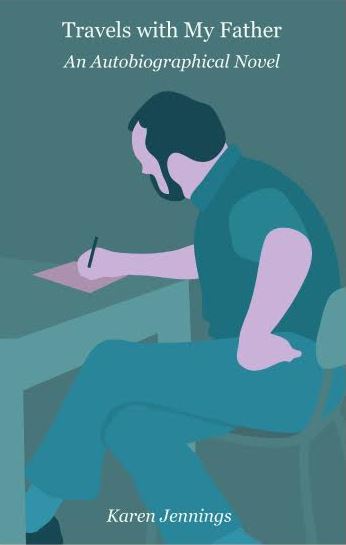

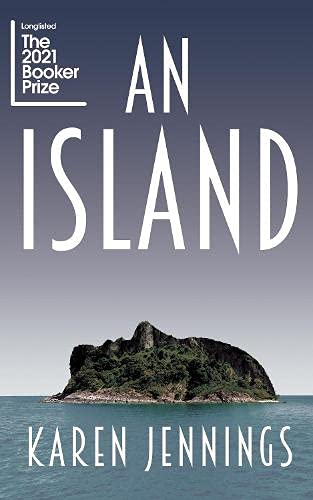
Karen Jennings’s taut, tenebrous novel describes what happens when Samuel, a septuagenarian lighthouse keeper and the sole inhabitant of a small island off the coast of an unnamed African country, acquires an uninvited houseguest.
[…]
An Island is the only small-press published novel on this year’s Booker prize longlist, and if its chances of making the final cut feel slender, its deft execution and the seriousness of its political engagement serve as a potent reminder of all that such titles add to the literary ecosystem. Those same qualities should also win it readers well beyond awards season.
The Observer



 karavanpress.com