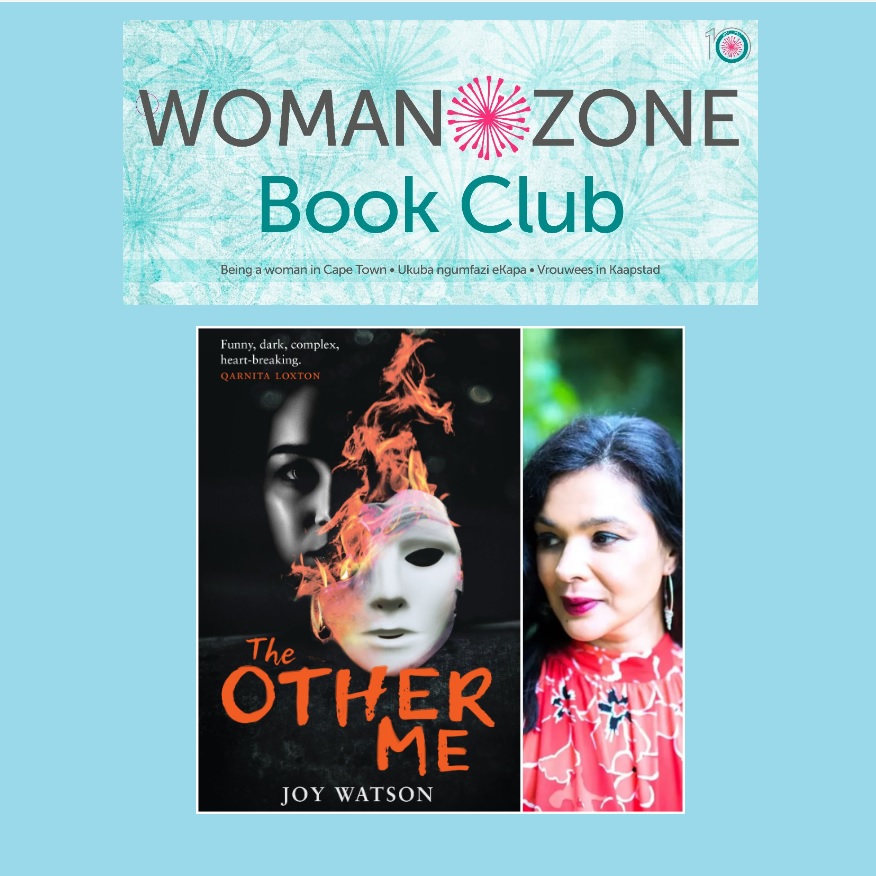
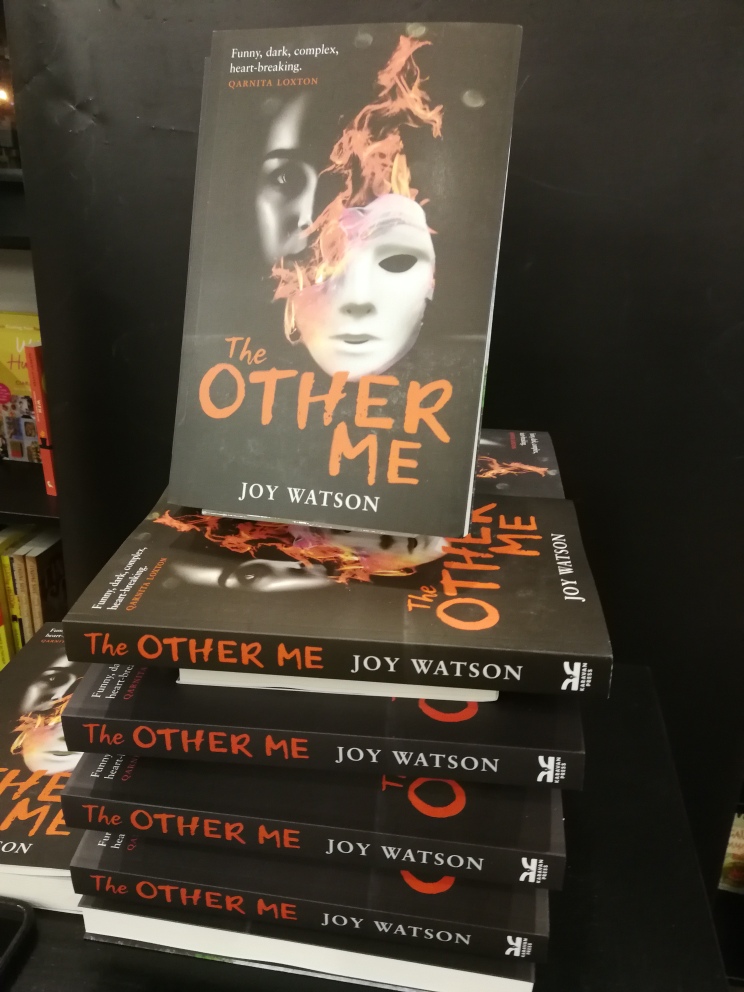
First time novelist, but well practiced feminist researcher, Joy Watson’s The Other Me (Karavan Press) is an eye-opening book with a damaged but fascinating central character. Writer, editor, publisher Karina Szczurek digs deeper to get the back story…
For my birthday a few months ago, my husband whisked me off into the city for a surprise night away. We were excited for our adventure. Hotel bedlinen! A chance to sleep late!
After we’d found parking in Long Street (never an easy task), we lugged our bags one block to the hotel entrance and up two flights of stairs to the Reception desk.
‘Booking for Kelly, please: the Beach House.’
The receptionist shook his head: ‘Sorry, you’re at the wrong hotel. This is Daddy Long Legs. You’re looking for Grand Daddy, five blocks down.’
So back down the stairs with our bags we went, and into the bumper to bumper stream of cars to look for parking. Again.
Joel looked over at me: ‘Sorry! You must think I’m an idiot.’
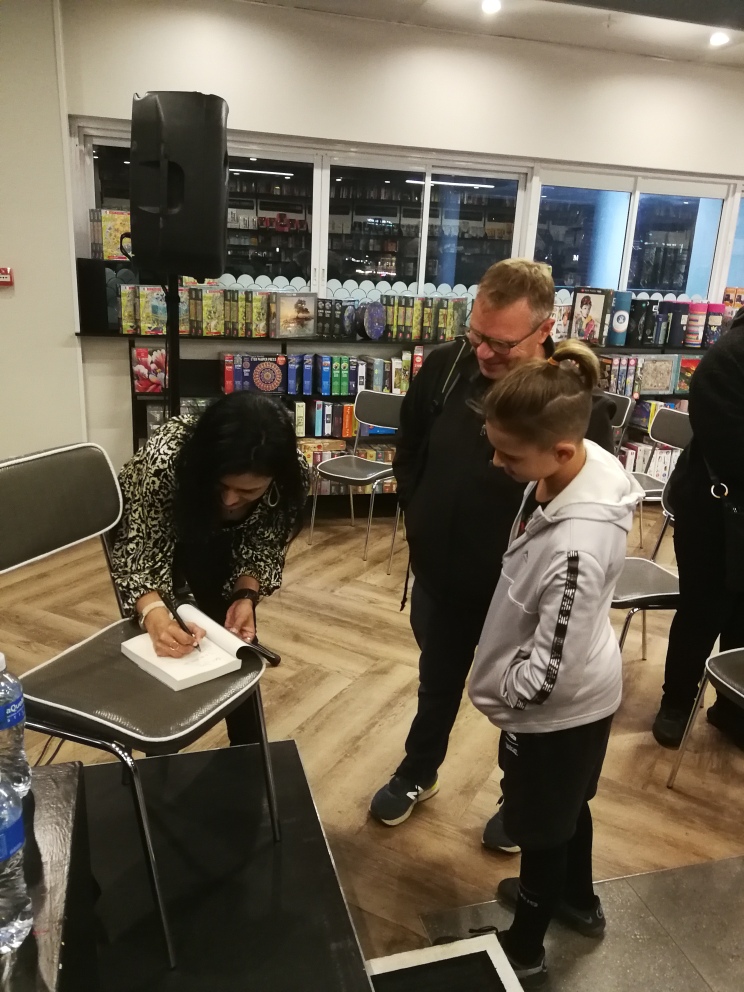
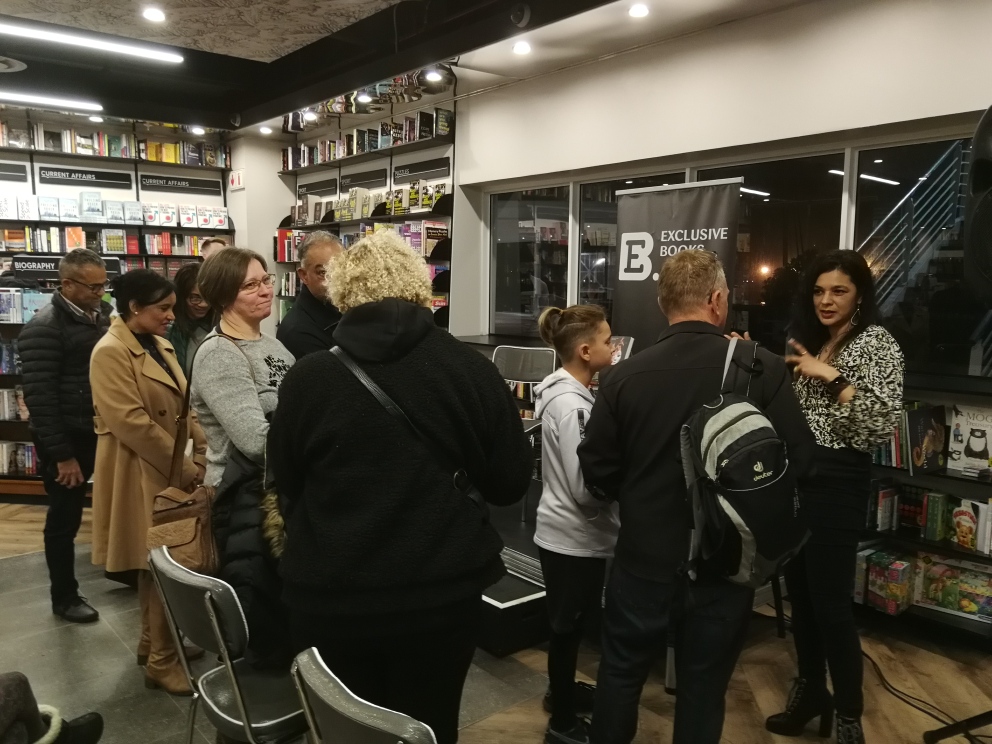
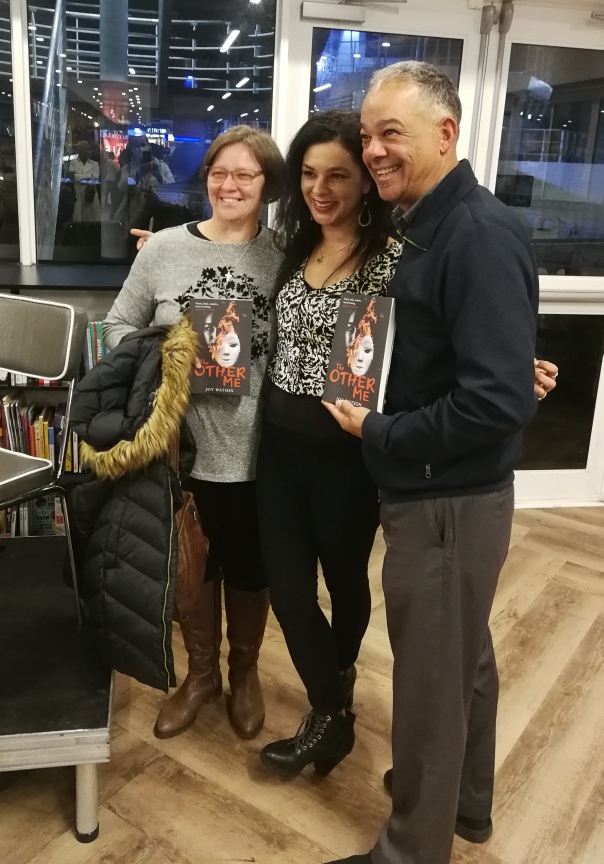
Wherever she appears, Joy Watson is surrounded by love – human and literary – and last night’s launch of her novel at EB V&A Waterfront was no different. We were treated to an insightful, funny, moving discussion between Joy and John Maytham.
Joy’s comment on the event: “Last night’s book event at Exclusive Books was small and intimate. It was truly special – filled with all the ‘feels’. I laughed hard – John Maytham is incredibly conducive to raucous laughter. And I cried when Caroline Peters, for whom I have tremendous respect, got up to talk about my feminism and how, many years ago, in lieu of wedding gifts, I asked people to donate to the cause of violence against women. John was incredible as a discussant – bringing to the fore the most pertinent issues in my book. My heart is so full – my support crew was there and long-standing friends turned up to show love and support. I walked from that event feeling so blessed.”
Thank you to Joy and John, and to all the wonderful people who showed up to share the occasion with us.
First up we want to hear about the books you’ve been reading. Then we welcome Karina Szczurek, writer, publisher and literary critic, who will be in conversation with Joy Watson about her recently published novel The Other Me, described as funny, dark complex and heartbreaking.
Date: Saturday 9 July Time: 10h00 to 12h00 Venue: Innovation Lounge, 2nd Floor, Artscape (next to the Opera bar)
The WZ Library Hub will be open after the meeting for borrowing and returning of books.
Now that Covid restrictions have been lifted let’s make this a bumper meeting!
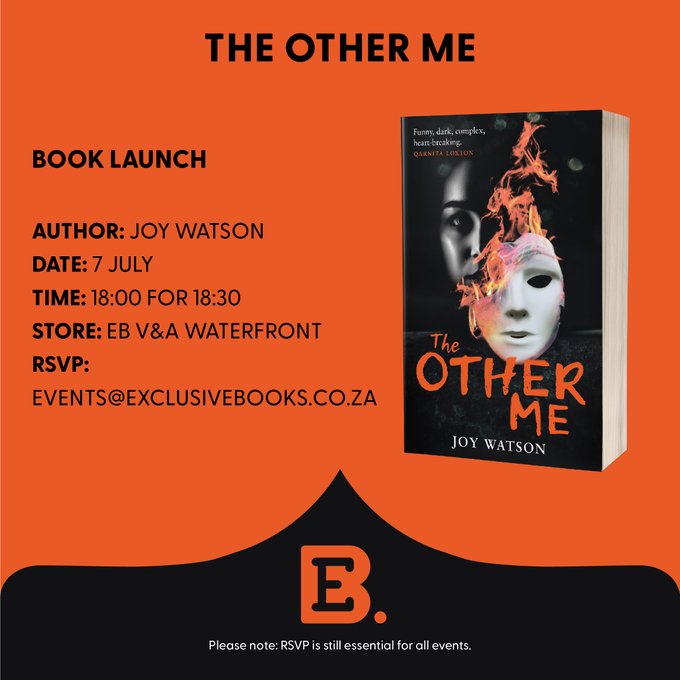
Join us at Exclusive Books V&A Waterfront for a book launch of The Other Me by Joy Watson.
Joy will be in conversation with John Maytham. She says about the interview: “I’m so looking forward to this event with John Maytham. It was my late father’s dream to be able to talk to John one day. He would sit glued to his radio, hanging on to John’s every word.”
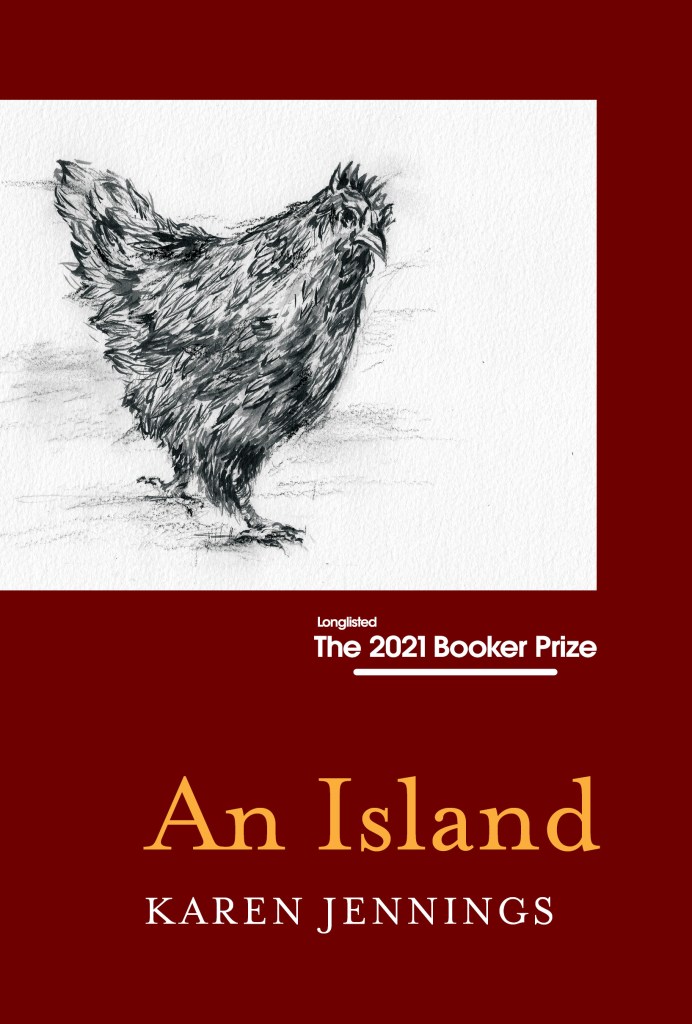
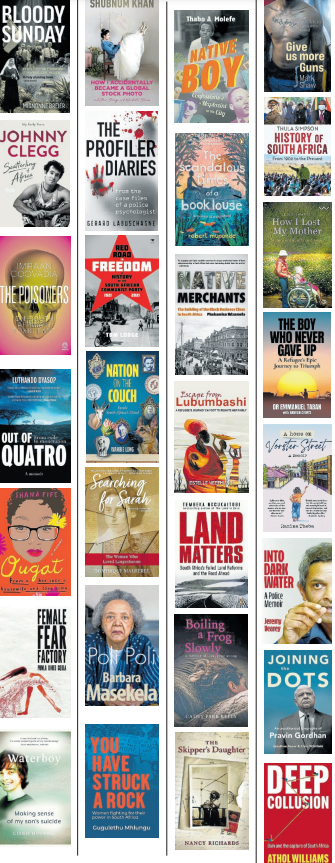
The longlists for SA’s most prestigious annual literary awards for non-fiction and fiction – the Sunday Times Literary Awards – have been announced in partnership with Exclusive Books. Karavan Press has two titles on each list. Congratulations to all longlisted authors, and extra literary hugs to Karavan Press authors: Karen Jennings, Nick Mulgrew, Nancy Richards and Cathy Park Kelly!
This is the 21st year of the Sunday Times fiction prize. The criteria stipulate that the winning novel should be one of “rare imagination and style … a tale so compelling as to become an enduring landmark of contemporary fiction”.
JUDGES
EKOW DUKER — CHAIR Oil-field engineer turned banker turned writer, Ekow Duker grew up in Ghana, studied in the UK, the US and France and now lives and works in Joburg. His debut novels, White Wahala and Dying in New York, were published in 2014 and were followed in 2016 by The God Who Made Mistakes, and in 2019 by his fourth and most ambitious novel, Yellowbone.
KEVIN RITCHIE Ritchie spent 27 years at what is today Independent Media, including editing the company’s smallest daily newspaper, the Diamond Fields Advertiser in Kimberley, and its flagship, The Star, in Joburg. He received several journalism awards during his career and wrote the two-volume Reporting the Courts – A Handbook for South African Journalists. He also co-authored The A-Z of South African Politics (Jacana 2019). After leaving journalism in 2018, Ritchie founded a media consultancy which provides communication services, training for journalists and communicators and coaching for editors and CEOs. He writes a syndicated weekly opinion column in the Saturday Star.
NOMBONISO GASA Writer and political analyst, Gasa is a research fellow at the Centre for Law and Society and Adjunct Professor at the School of Public Law at the University of Cape Town. In the early ’90s, Gasa was part of the ANC’s Commission for the Women’s Emancipation of Women. Gasa has been published widely in newspapers and academic journals, including Women in South African History (HSRC), which she edited in 2007. She has sat in several public positions, including the Commission for Gender Equality, Human Sciences Research Council (HSRC) and Development Bank of Southern Africa. Gasa has a long history in politics, feminism and women’s rights activism extending to her teenage years which saw her arrested several times by the apartheid government.
The award will be bestowed on a book that presents “the illumination of truthfulness, especially those forms of it that are new, delicate, unfashionable and fly in the face of power”, and that demonstrates “compassion, elegance of writing, and intellectual and moral integrity”.
JUDGES
GRIFFIN SHEA — CHAIR Shea is the founder of Bridge Books, an independent bookstore in downtown Johannesburg, and the author of a young adult novel, The Golden Rhino. Bridge Books focuses on African literature and on finding new ways of getting books to readers. The store’s non-profit African Book Trust is the lead partner in the Literary District project, a collaboration among booksellers, city agencies, businesses and other volunteers. Before opening Bridge Books, Griffin worked as a journalist for 15 years, mostly with the international news agency Agence France-Press (AFP).
NOMAVENDA MATHIANE Mathiane has been a journalist for over 35 years. Her writing career began in 1975 as a reporter at the World Newspapers and she later joined Frontline magazine, where she specialised in writing about life in South African townships. Since then she has worked for most of the major South African newspapers. Her last journalist job was writing for Business Day as the legislature reporter. Mathiane has written three books: Beyond the Headlines,South Africa: Diary of Troubled Times and Eyes in the Night: An Untold Zulu Story. She currently teaches isiZulu at a private primary school.
BONGANI NGQULUNGA Ngqulunga is with the University of Johannesburg where he currently serves as director of the Johannesburg Institute for Advanced Study (JIAS). He is the author of The Man Who Founded the ANC: A Biography of Pixley ka IsakaSeme, which won multiple awards, including the Sunday Times Non-Fiction Award in 2018. Ngqulunga was educated at the University of KwaZulu-Natal and at Brown University in the US, where he obtained a doctoral degree.
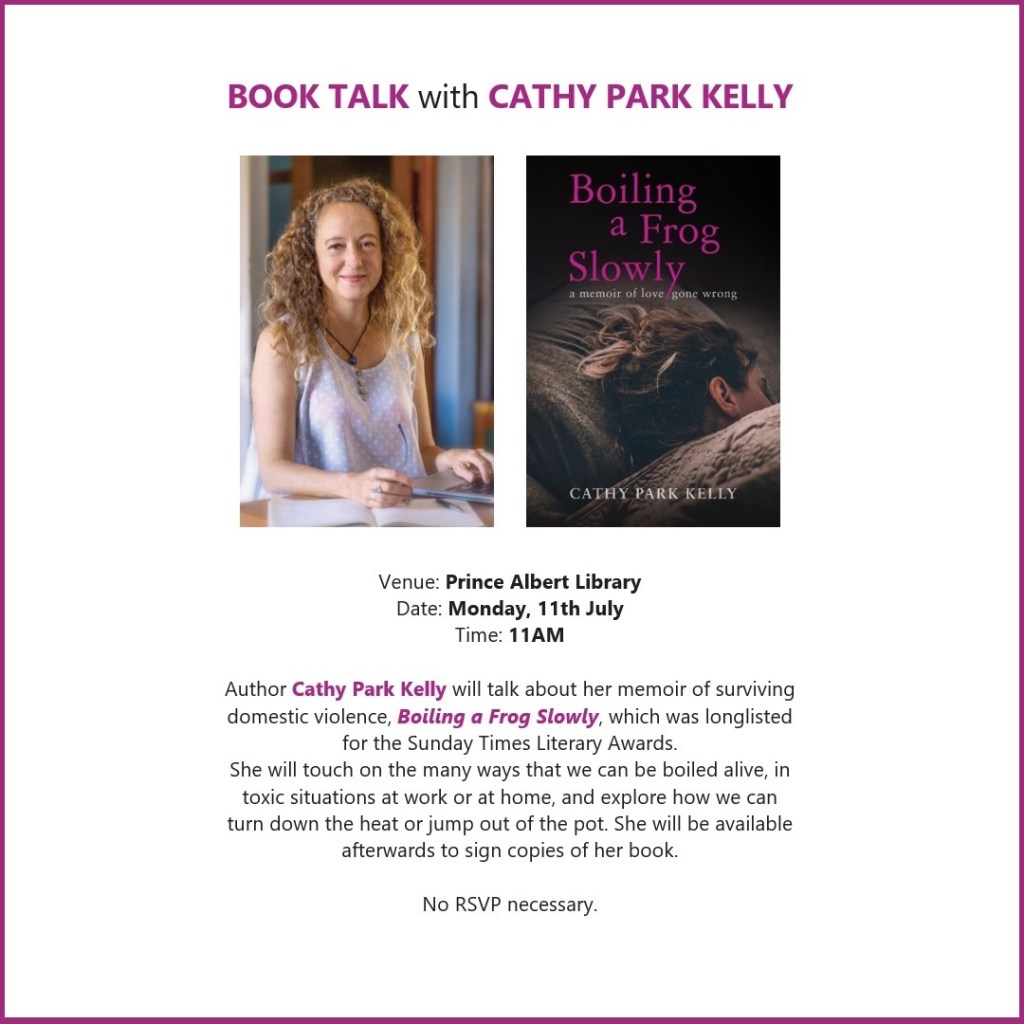
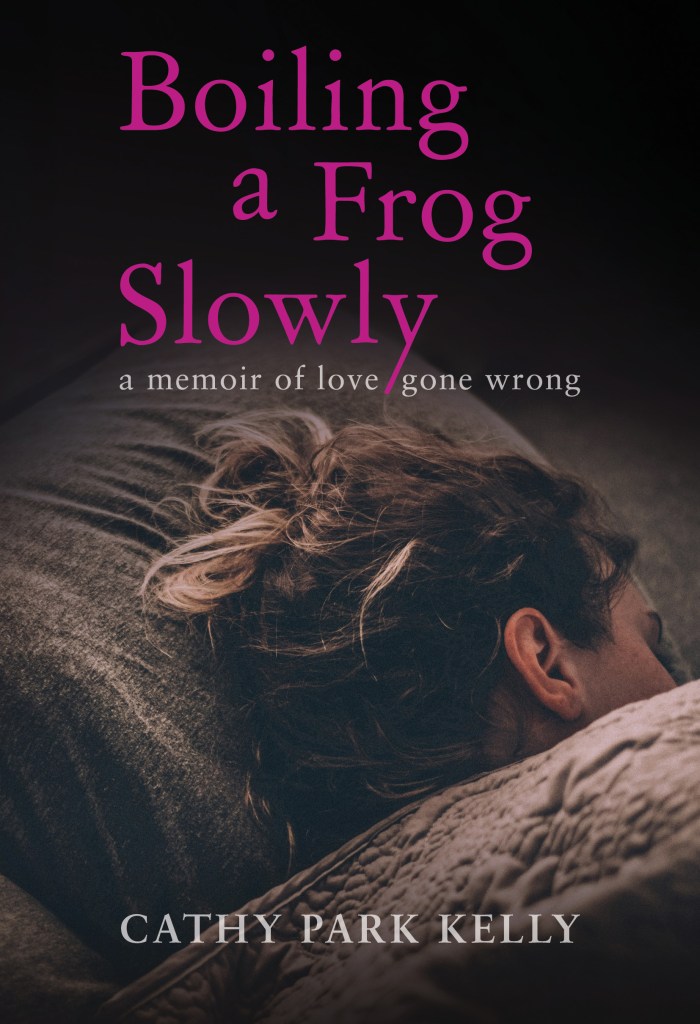
David Whyte, the author of Consolations, reminds us that to be courageous is not necessarily to go anywhere or to do anything. It is to make conscious the things we already feel deeply and then to live through the unending vulnerabilities of its consequences. To be courageous is to seat our feelings deeply in the body and in the world, to be open to the unknown that begs us on. Boiling a Frog Slowly is an effervescent narrative of what happens when we dare to open up to the unknown, to move on.
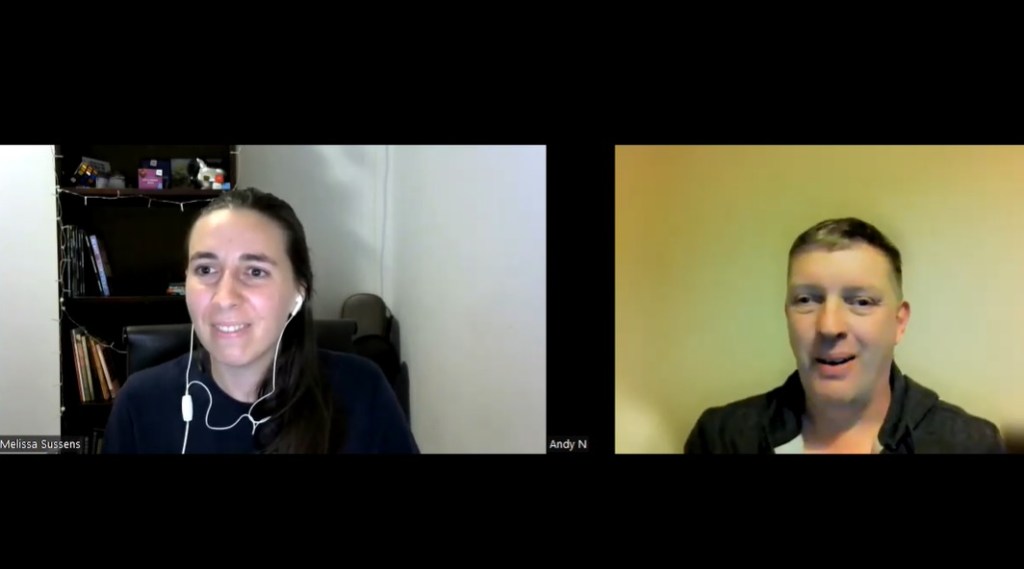
Listen to Melissa Sussens speak to Andy N about poetry; her work as a vet; influences; poetry festivals, workshops and prizes; lockdown; her work promoting local poetry & her forthcoming debut collection, Slaughterhouse (Karavan Press, 2022): SPOKEN LABEL PODCAST INTERVIEW
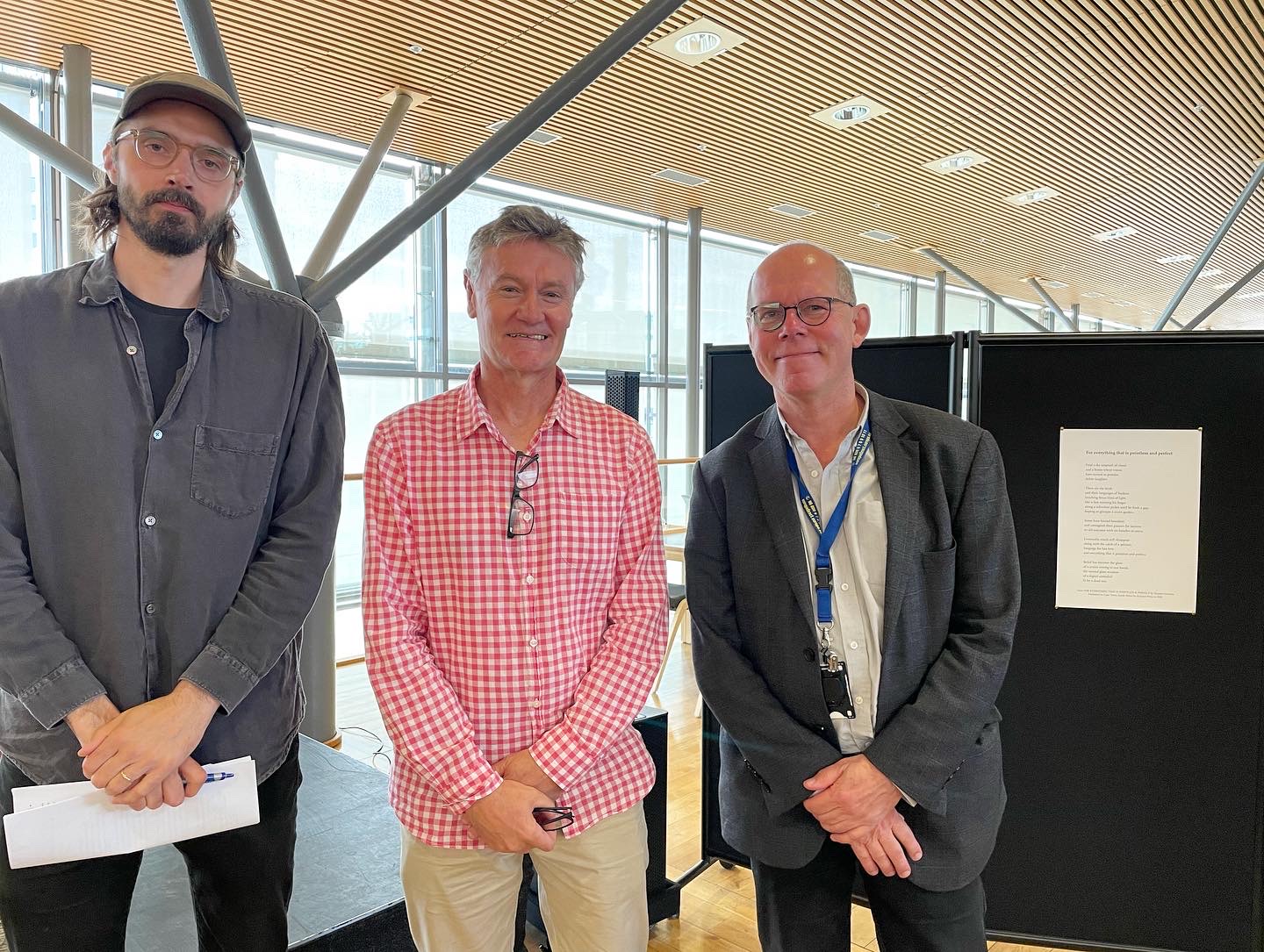
Last month, Stephen Symons gave a reading of his poetry in the Karlstad University Library (Sweden) titled “For Everything that is Pointless and Perfect”. Stephen was in conversation with Swedish poet Linus Gårdfeldt, who heads up the Creative Writing programme at Karlstad University.
Stephen Symons has published poetry and short-fiction in journals, magazines and anthologies, locally and internationally. His debut collection, Questions for the Sea (uHlanga, 2016) received an honourable mention for the 2017 Glenna Luschei Prize for African Poetry, and was also shortlisted for the 2017 Ingrid Jonker Prize. His unpublished collection Spioenkop was a semi-finalist for the Hudson Prize for Poetry (USA) in 2015. His second collection, Landscapes of Light and Loss (Dryad Press), was published in 2018, and third collection, FOR EVERYTHING THAT IS POINTLESS AND PERFECT (Karavan Press) in 2020. Small Souls, a collection of collected and new poems will be published in 2022 by Karavan Press.
Symons holds a PhD in History (University of Pretoria) and an MA in Creative Writing (University of Cape Town). He is attached to the Department of Historical & Heritage Studies at the University of Pretoria as a Mellon Research Fellow.