
Samuel’s final act is a culmination of this violence and, paradoxically, a desperate and self-destructive protest against the triumph of cruelty in the world.
An island is an ethically driven and formally accomplished novel. Those making decisions about texts to prescribe in the undergraduate curriculum might consider it. If Mark Behr’s The smell of apples was a university text of the 1990s, with its emphasis on the uncovering of apartheid-era secrets – a novel that was eminently teachable because it was ethically centred, with clear lines of development – the novel that might play a similar role for the 2020s could well be An island.
LitNet
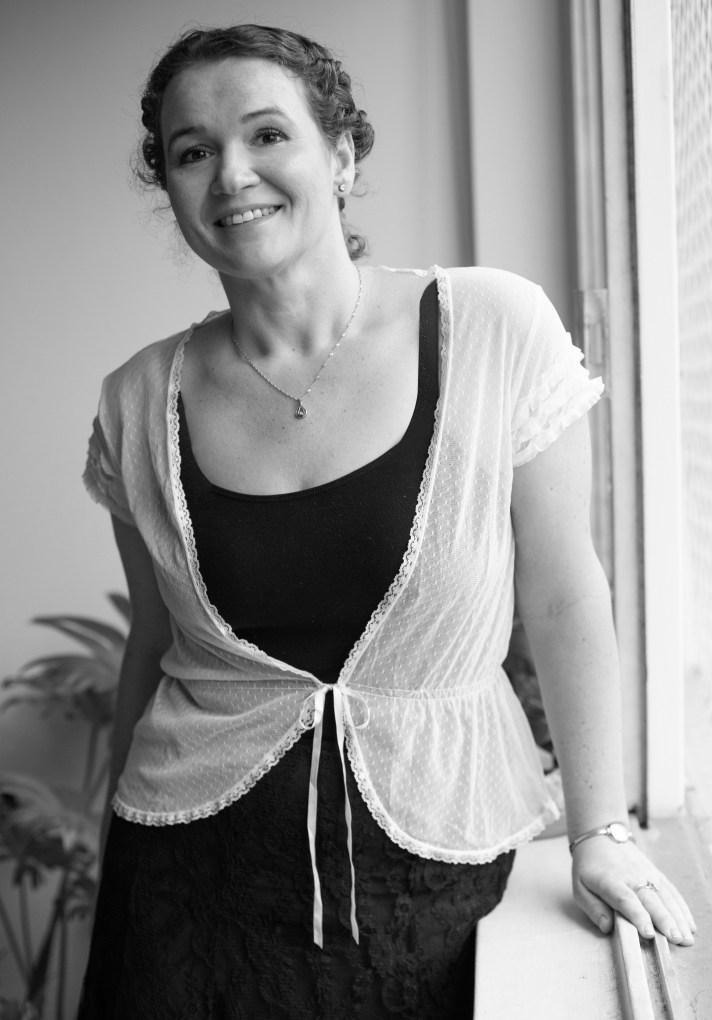
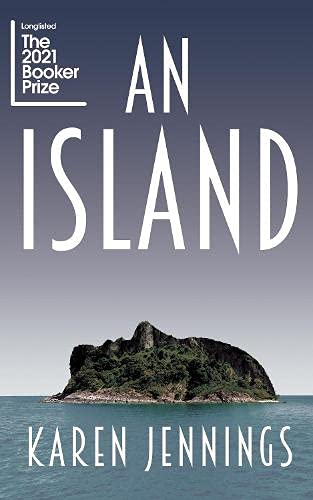
‘It took the Booker to introduce South Africans to their own Karen Jennings’, writes Jean Meiring
This year’s discovery, though, is Jennings (born 1982), who, in spite of having produced several excellent earlier books, has not been afforded the acclaim in South Africa that she deserves. The truth of the hoary adage that a prophet is rarely hallowed in her own land rings especially true, it would seem, of South Africans who write literary fiction in English.
[…]
Whether Jennings’ name appears on the shortlist that will be announced in London tomorrow afternoon or not, one can only hope that her longlisting will have changed the trajectory of her career: that she will never again have to make out a case to be published. And never again be published in print runs of only 500.
LitNet



Hephzibah Anderson reviews AN ISLAND by Karen Jennings for the Observer
Karen Jennings’s taut, tenebrous novel describes what happens when Samuel, a septuagenarian lighthouse keeper and the sole inhabitant of a small island off the coast of an unnamed African country, acquires an uninvited houseguest.
[…]
An Island is the only small-press published novel on this year’s Booker prize longlist, and if its chances of making the final cut feel slender, its deft execution and the seriousness of its political engagement serve as a potent reminder of all that such titles add to the literary ecosystem. Those same qualities should also win it readers well beyond awards season.
The Observer
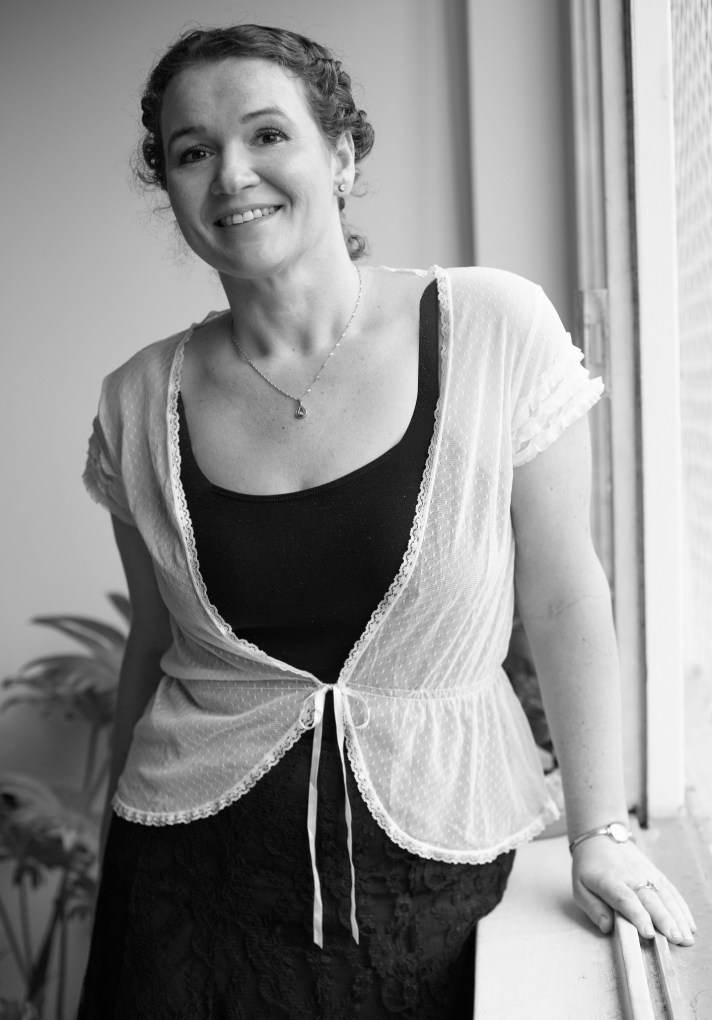
Karen Jennings in conversation with Karin Schimke on FMR’s Book Choice

You can listen to the interview from minute 39:00: BOOK CHOICE – enjoy!
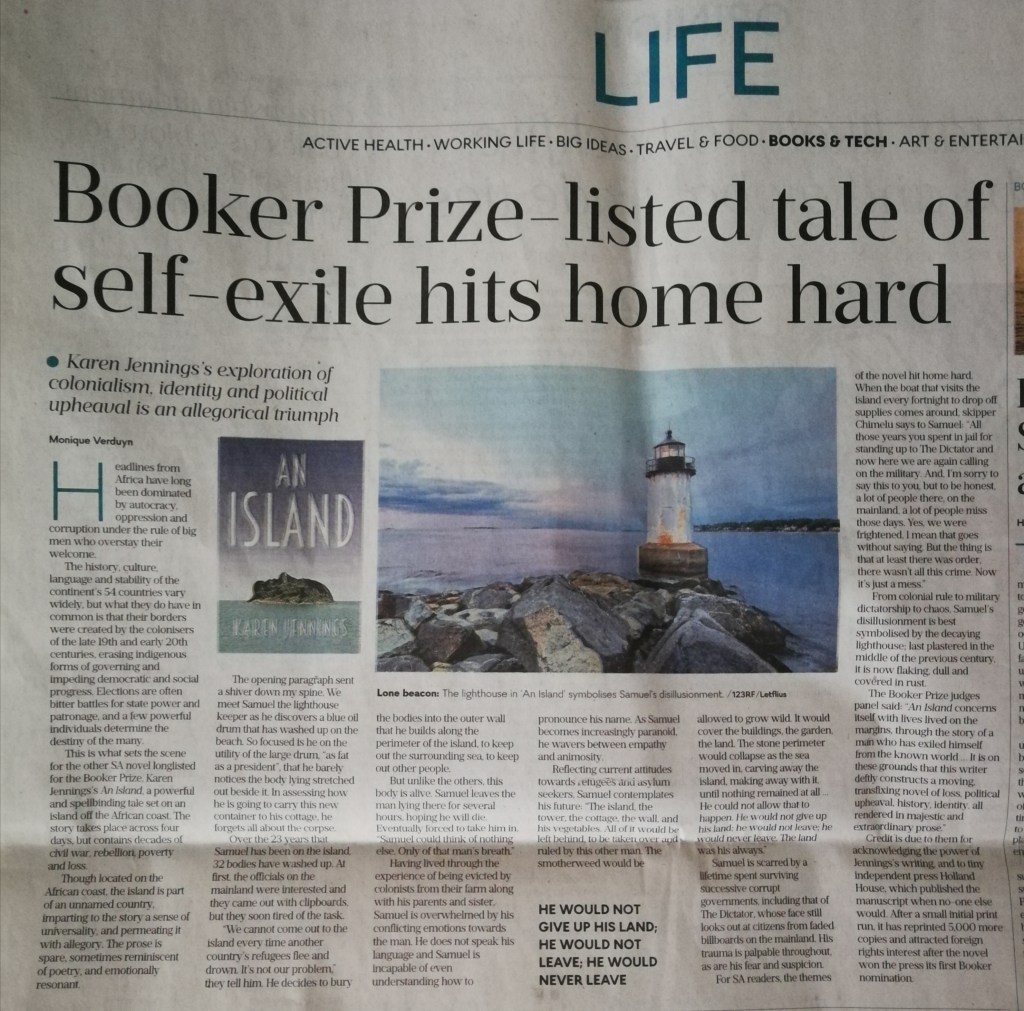
Monique Verduyn reviews AN ISLAND by Karen Jennings for Business Day

Bongani Kona interviews Karen Jennings for New Frame
“We don’t need to wait for people from other countries to tell us which African author is worth reading,” she said. “No one would wait for a Zimbabwean writer to decide who is the best Irish writer.”
New Frame
Jennifer Malec interviews Karen Jennings for the JRB
“I do like Samuel, because he is incredibly human. He is an ordinary man. He has made mistakes; terrible ones. But he is a man trying to find a place for himself in the world, just as we all are. No one is all good or all bad. We are all only trying as best we can to make a home for ourselves in which we feel safe and where we feel we belong. But, of course, this is not determined by ourselves alone. The past plays a role in our identity, as do our economic, social, cultural, political circumstances. All of these things have an influence on us, whether we like to admit it or not.”
JRB
Catherine Taylor reviews AN ISLAND by Karen Jennings for the Guardian
“… A lighthouse keeper in self-imposed exile on a tiny island off the mainland, 70-year-old Samuel is disciplined in his daily habits and unchanging in his means of self-sufficiency. He carefully tends his vegetable patch, his only companions a clutch of chickens, with the favourite – an old, vulnerable, red hen – kept away from the vicious larger group. The ultimate fate of the hen and its part in the book’s sudden and violent conclusion lies in the future, but it’s clear that all is not serene on this island …”
Guardian
Christine Coates reviews AN ISLAND by Karen Jennings
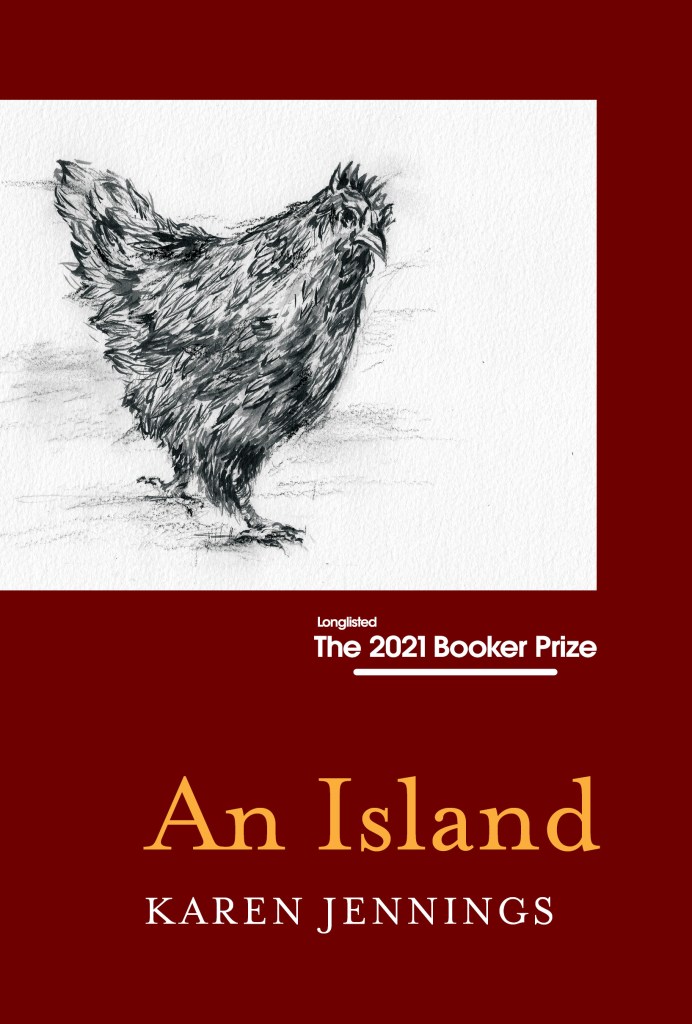
An Island by Karen Jennings — everyone is talking about this book. There are other reviews but had to add mine!
Goodreads
It’s a small gem but also a great masterpiece. Very Coetzeesque. It reminded me of Disgrace. Just brilliant and by one so young. Her observation of human life and behavior is acute. I can’t get it out of my mind.
The author wanted to explore certain complexities relating to the history of the African continent and how that history continues to influence the lives of individuals to this day but the island could be anywhere — off Africa, off South or Central America, off the US, off Australia.
 karavanpress.com