A small world of deep metaphorical meaning
There is a lot in this slim book – art and science, family and culture, the workings of the heart and of the body
Review by Kate Sidley
On a farm in the Eastern Cape, Kate wakes before dawn, her head and heart in turmoil. She has good reason to worry – today is the day that her baby grandsons, conjoined twins, are to be separated. The risky surgery will take place in London. Kate’s estranged daughter, Jess, has told her definitively, and hurtfully: “Don’t come.”
On the same farm, Nosisi awaits the return of her son, who is undergoing the traditional initiation into manhood. Another anxious mother, another separation, another child at risk.
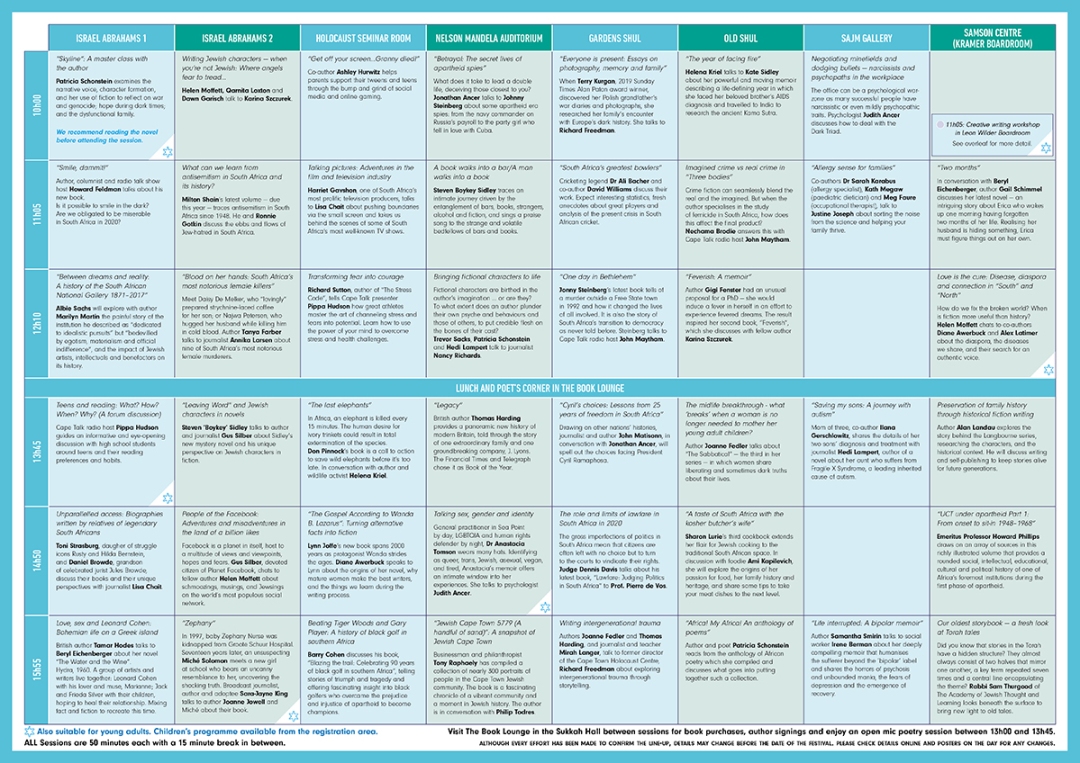
“So many women down the ages have lain awake in the earth’s great shadow, insomniac over their progeny, their sons and daughters intent on escaping their mothers’ intractable worry,” writes Dawn Garisch in Breaking Milk.
The book takes place over one day, from Kate’s early-morning wake up, and within the confines of the farm and the house she shares with her demented father and his carer. As she ponders her painful choice – respecting her daughter’s wishes, or rushing to be at her side – she must continue to take care of business. Once a microbiologist geneticist working on embryos in a fertility lab, she is now the creator of prize-winning goat’s cheese…
Continue reading: Sunday Times





 Writing the Environment: where fact meets fiction
 This Writing Life
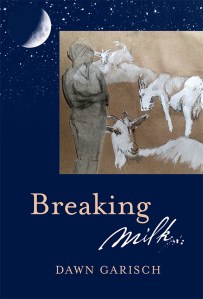 I have just completed reading Breaking Milk and I enjoyed it completely. It was a rollercoaster ride in the best way. At first I was less intrigued by the story and more fascinated by the style of writing, it truly is poetic in the analogies that are drawn and the way Dawn describes the surroundings, people and feelings. After a while I became accustomed to the style of writing (still fascinated by it though) and then I was absorbed into the story. But towards the end the most riveting aspect of the book became the understanding and expression of the human condition by the author.


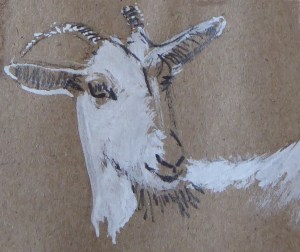 We enter the rooms of Kate’s mind as she wrestles with her inner anguish using her routine chores to cover her turmoil. Making cheese, running the farm and restaurant, dealing with her dementia addled father, a manipulative ex-husband and a besotted neighbour take us step by step through this day in vivid prose. Mothers united in their fear, Kate and Nosisi whose son Luzoko is undergoing initiation, work side by side in silent contemplation.
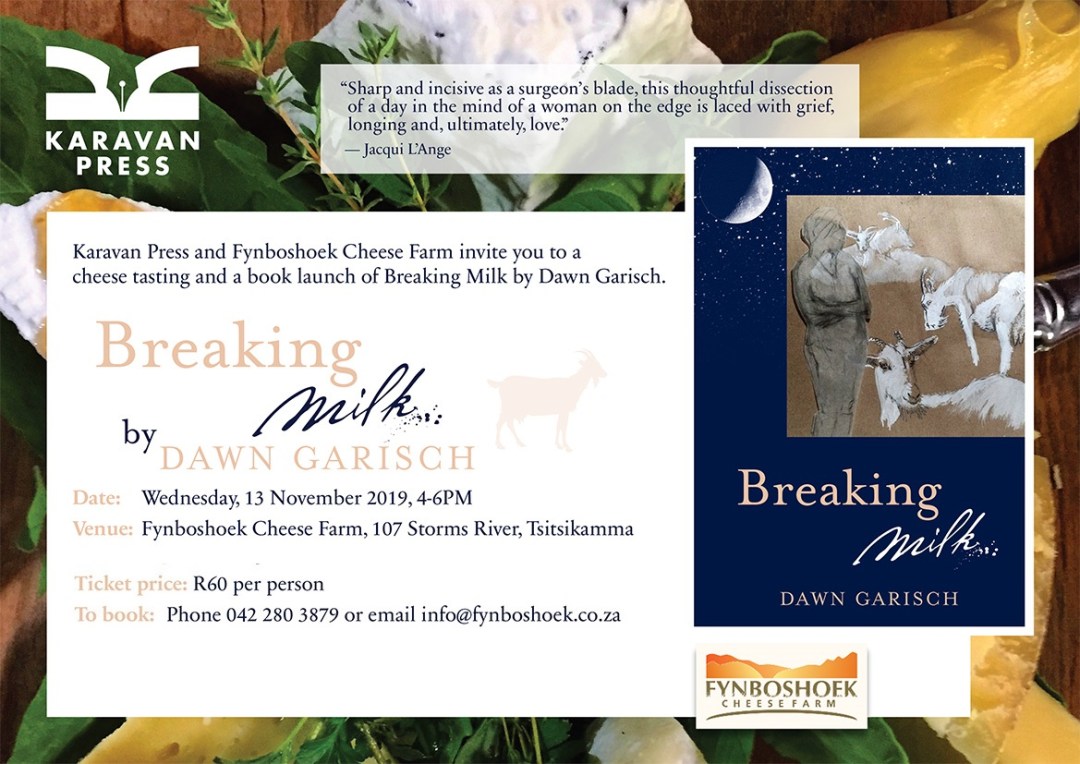
 karavanpress.com