Karen Jennings at the UCT Summer School 2022

“In the beginning was the word …”

Author and academic Karen Jennings continues to shine a light on words and stories in her UCT Summer School lecture series:

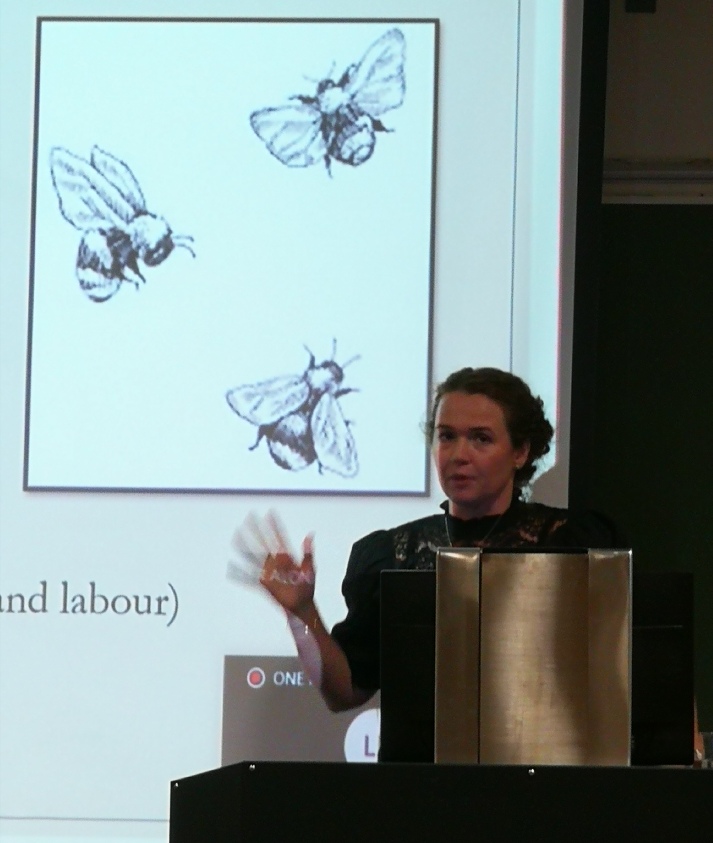
ONE IS NEVER ALONE: HOW SOCIAL INSECTS HAVE SCUTTLED ACROSS THE THRESHOLD BETWEEN SCIENCE AND LITERATURE THROUGH THE AGES.

Monday 24–Friday 28 January | 5.00 pm | COURSE FEES R375 (online)/R550 (in person)

This course looks at the fascinating way in which social insects have served as a uniting force between the two cultures of science and literature over the centuries. Starting in the Middle Ages, we examine the bee’s position in allegorical, religious teaching and commentary. Next, we briefly discuss the proliferation of bee books during the scientific revolution. The second lecture focuses on the West African scientific explorations into termites by fly-catcher Henry Smeathman and the consequences this research had for the Black poor of London. The third lecture remembers Romantic poet John Clare’s poems on ants and how they bring to the fore the negative consequences imposed on nature by the demands of capitalism which dominated the period. In addition, the course considers the popularity and influence of Victorian myrmecology. The fourth lecture explores the way in which both psychoanalysis and nationalism were influential in the scientific and poetic writings of Afrikaner hero Eugene Marais. Special attention is given, too, to the man he accused of plagiarising his work on termites – Maurice Maeterlinck. The lecture also touches on the rise of pulp science fiction. Finally, we arrive at the present day and the threat of bee extinction. We consider E.O. Wilson’s call for consilience and the growing popularity of eco-fiction.

Lecture titles

  1. The Medieval bee and the scientific bee
  2. Termites and slaves: Henry Smeathman
  3. The romance of ants and a dash of Victorian myrmecology
  4. Termites, nationalism and science fiction: Eugene Marais, Maurice Maeterlinck and David Keller
  5. The death of the bee

Wonderfully enlightening!

Ambre Nicolson Hsu reviews BOILING A FROG SLOWLY by Cathy Park Kelly for Woman Zone Book Club

“If someone in your life is not sane, then expecting the best from them or working on yourself or breathing into the pain is a long road to misery. Sometimes you just need to walk away.”

These lines, drawn from the end of Cathy Park Kelly’s Boiling a Frog Slowly (Karavan, 2021), explain the central premise and plot of this compelling memoir. Don’t be fooled by their simplicity though, Park Kelly’s clarity is hard won.

In fact, what makes this book so riveting is the way in which Park Kelly describes just how complex and subtle the descent into an abusive relationship can be. What begins as an exhilarating new love unravels slowly into the terror and claustrophobia of mental and physical abuse.

While this book is about a difficult subject, it is not hard to read. Many memoirs of abusive relationships go heavy on the unremitting horror of the situation with the sad effect of numbing a reader. Instead, Park Kelly tells her story with warmth and wry humour. This has the effect of making her unflinching descriptions of the abuse and terror she experienced even more harrowing when you get to them.

What I like best about this book is the author’s quiet commitment to telling the truth, even when it is complicated, unpretty or ordinary. This is particularly apparent in her telling of how she extricated herself from the relationship. Whereas many such memoirs end with a flourish (the blinding once-off revelation, the dramatic flight, the packed suitcase), Park Kelly details instead the slow, hopeful, painful and painstaking journey towards recovering her agency and the confidence to leave the relationship behind. This rigour and integrity acts as a wonderful astringent against the often cloying “happy endings” that such books sometimes claim. Instead of ending with the first glimmer hope, Park Kelly looks beyond the easy ever after to paint a much more compelling portrait of a woman who, in the end, rescues herself.

Stephen Symons will be reading at The Red Wheelbarrow on Thursday, 20th January, at 19:30

Stephen Symons will be The Red Wheelbarrow’s featured poet this week.

Stephen Symons has published poetry and short-fiction in journals, magazines and anthologies, locally and internationally. His debut collection, Questions for the Sea (uHlanga, 2016) received an honourable mention for the 2017 Glenna Luschei Prize for African Poetry, and was also shortlisted for the 2017 Ingrid Jonker Prize. His unpublished collection Spioenkop was a semi-finalist for the Hudson Prize for Poetry (USA) in 2015. Landscapes of Light and Loss (Dryad Press) was published in 2018, and For Everything That Is Pointless and Perfect (Karavan Press) in 2020. Small Souls, a collection of selected and new poems will be published in 2022 by Karavan Press.

Symons holds a PhD in History (University of Pretoria) and an MA in Creative Writing (University of Cape Town). He lives with his family in Oranjezicht, Cape Town.

**As always, the reading by the featured poet will be followed by an open mic session for poets from the audience. Poets are welcome to read from their own work as well as from the work of a favourite poet**

Join Zoom Meeting:
https://us02web.zoom.us/j/9529041131?pwd=M2VUL3RNWGMvMFZCU1Zuemt6QnU3Zz09

Date: 20th January 2022
Time: 19:30 SAST

Meeting ID: 952 904 1131
Passcode: 12345

Poems by poets featured previously at TRW can be found here:
https://redwheelbarrowpoet.wixsite.com/website

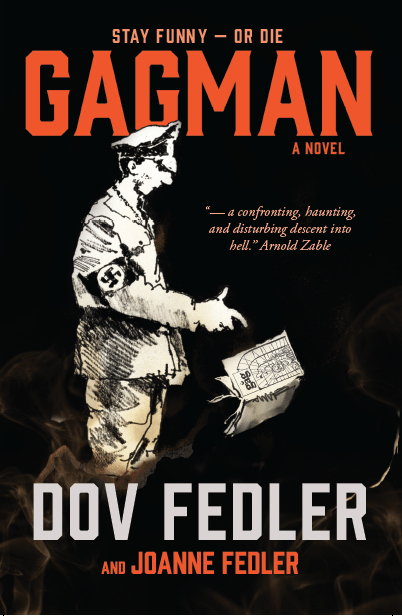
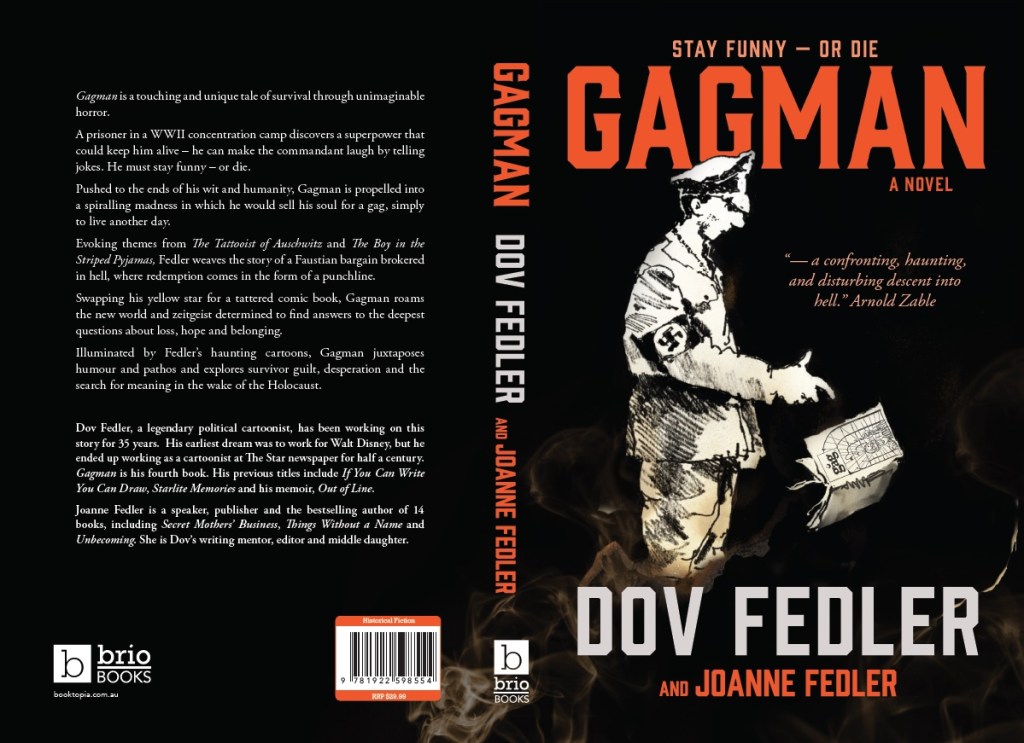
Karavan Press becomes local distribution partner for Dov and Joanne Fedler’s GAGMAN

WE ARE DELIGHTED TO ANNOUNCE THAT KARAVAN PRESS IS THE SOUTH AFRICAN DISTRIBUTION PARTNER FOR DOV AND JOANNE FEDLER’S HAUNTING NOVEL, GAGMAN.

A prisoner in a WWII concentration camp discovers a superpower that could keep him alive – he can make the commandant laugh by telling jokes. Pushed to ends of his wit and humanity, Gagman is propelled into a spiralling madness in which he would sell his soul for a gag simply to live another day.

Evoking themes from The Tattooist of Auschwitz and The Boy in the Striped Pyjamas, Fedler weaves the story of a Faustian bargain brokered in hell, where redemption only comes in the form of a punchline. He must stay funny – or die.

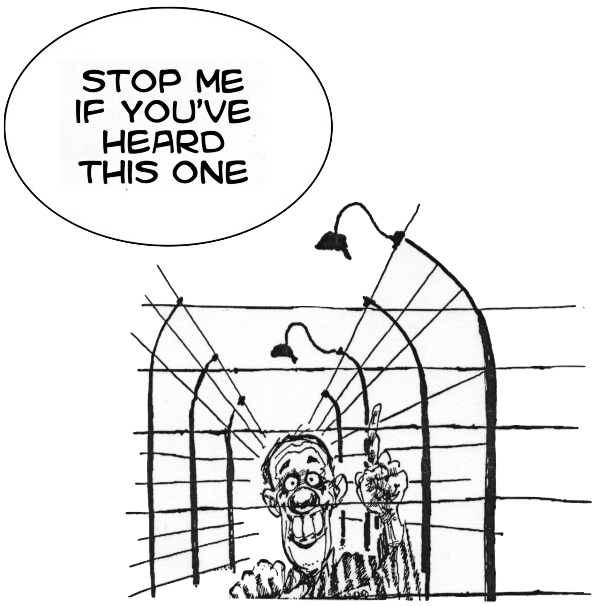
Enhanced by Fedler’s own haunting illustrations, Gagman masterfully juxtaposes humour and pathos, while exploring themes of survivor guilt, desperate determination and the search for the meaning of life in the wake of the Holocaust. Swapping his yellow star for a tattered comic book, Gagman roams the new world and our consciousness determined to find answers to the deepest questions about loss, hope and belonging.

Gagman is a touching and unique tale of survival through unimaginable horror.

PRAISE FOR GAGMAN

Gagman is a daring and uncompromising work, both allegory and achingly real — a confronting, haunting, and disturbing descent into hell, drawing on word and image to create a world in which to remain sane one must go mad. Dov Fedler totally inhabits his protagonist, and pushes his craft and his imagination to the limits to expose the horrors of Nazism, and to explore the redemptive power of art, humanity and humour.” — Arnold Zable

“Dov Fedler, in Gagman, has plunged the reader into a crazy world where the Holocaust collides with Superman and Nietzche and the result is a virtuosic graphic and written allegory. It is a very original take on a highly contested history – who can tell the story of the Holocaust? Through a pastiche of Talmudic scholarship and confronting black humour, Gagman is a way of looking into the abyss. A 21st century Scheherazade, a tale for our times.” — Sydney Jewish Museum

Gagman is a searing and brilliant book which does more to expose the horrors of the Nazis than any book since Eli Wiesel’s Night.” — Alan Gold

“With a humour so searing and audacious it made me gasp, revered cartoonist Dov Fedler bears witness to the horrors of the Holocaust in this extraordinary work of startling originality and ingenuity.” — Suzanne Leal, author of The Deceptions

Gagman is an extraordinary piece of work — strange and haunting and uniquely itself.” — John Maytham

“Can we transform suffering into art and, more outrageously, into humour? Two Jews walk into my heart with a book that made me laugh and cry at the same time. Gagman treads the edge of the forbidden joke, speaking to the histories of all marginalized people. A book of bitter and sweet nuance in which ‘everything is speakable’.” — Tyson Yunkaporta, author of Sand Talk

ABOUT THE AUTHORS

DOV FEDLER, one of South Africa’s legendary political cartoonists (now retired), has been working on this story for 35 years. His earliest dream was to work for Walt Disney but he ended up working for The Star newspaper as their cartoonist in the early 1970’s instead, and had a career that spanned half a century. Gagman is his fourth book. His previous titles include his memoir, Out of Line (Tracey McDonald Publishers, 2015), If You Can Write, You Can Draw (Joanne Fedler Media, 2018) and Starlite Memories (Tafelberg, 2020).

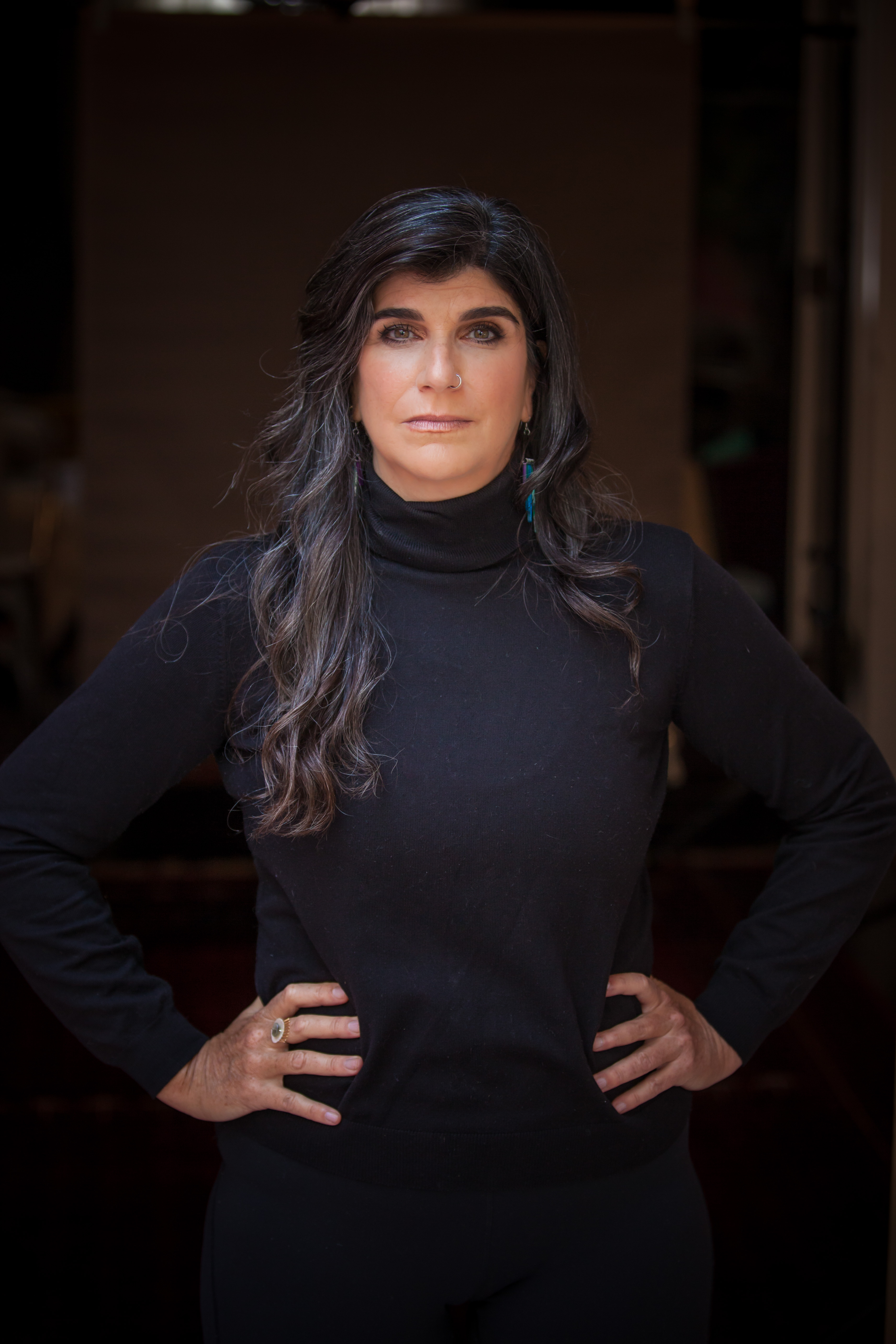
JOANNE FEDLER is an internationally bestselling author of 14 books, speaker and publisher. Her book Things Without a Name has been optioned for a TV mini-series. She is Dov’s writing mentor, editor and middle daughter.

www.joannefedler.com

Publisher: Brio Books (Booktopia)

Publication date: February 2022

ISBN: 9781922598554

If you are a bookseller, please contact BOOKSITE to order copies of Gagman. If you are a reader, please ask your local bookshop to order the book for you via Booksite.

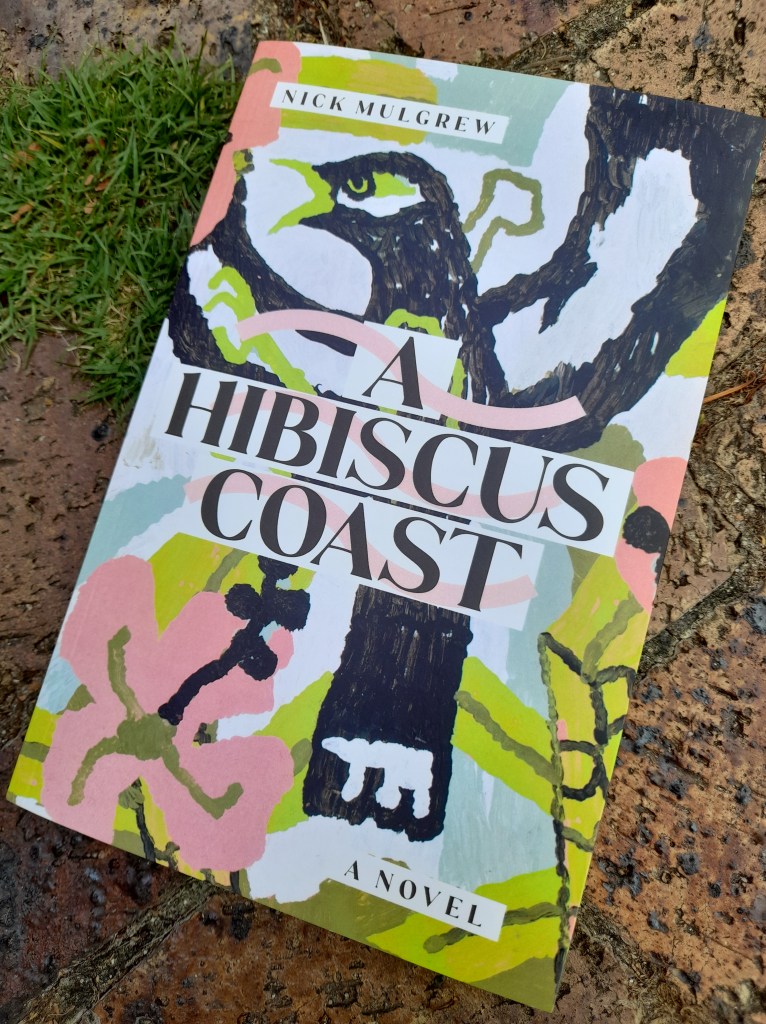
Nancy Richards reviews A HIBISCUS COAST by Nick Mulgrew

In my opinion, Nick Mulgrew is the most extraordinary young man of words. Quick bio run down: In 2014, in his early twenties, he founded uHlanga, a magazine of poetry from KwaZulu-Natal – the now award-winning uHlanga Press publishes poets more widely. Personally, he’s had the support of the German Sylt Foundation, the Swedish Literature Exchange, amongst others, and was a Mandela-Rhodes scholar. His work, mainly short fiction and features, has won lots of awards and accolades, including a Thomas Pringle and Nadine Gordimer Award. He’s written four books, was born in South Africa in 1990, raised both in Durban and Orewa, New Zealand, is currently doing his PhD at Dundee University and is based in Edinburgh. This is not to over-brag on his behalf, just to expand on his background which again, in my opinion, throws light on why this, his fourth book and first novel is also completely extraordinary. And absolutely original.

The story starts in South Africa – the opening line, ‘The neighbours were murdered at Christmas.’ lays the cards on the table, and then, through the person of 19-year-old Mary, makes its way across oceans to New Zealand. It’s no coincidence that there is a Hibiscus Coast in both countries.

On the imprint page, it says ‘This book is a work of fiction. Any descriptions…of actual persons, places, events or organisations are fictitious.’ I’m sure this is quite true, but the persons, places, events and organisations here are so meticulously described as to ring peels of bells – both in what a reader may have experienced or imagined. Whilst I’ve never been to New Zealand, the images, and dialogues especially, appear to have been born from close and processed observation. And research. Mulgrew acknowledges, together with the South Coast Herald archives, the National Library of New Zealand, the Auckland City Library, Takupuna Library and UCT Library as some of his sources. Interestingly, something of a graphic artist, young Mary spends a bit of time in libraries too.  He was also helped tremendously by ‘komiti members of Te Herenga Waka of Orewa’ – so those who know little of the indigenous culture of NZ are in for some lessons. Now I know what a ‘hangi’ is, and that it needs to get laid. In fact I think I learnt quite a bit about South African culture too – for better and worse.

But aside from the extraordinary insight that’s gone into this book, as well as lived experience and research, what I found to be so absolutely original is its construction. The text is ‘illustrated’ with what you might call ‘supporting documentation’ – affidavits, newsletters, newspaper cuttings, posters, flyers, even hand-written notes. It’s been conceived and laid out with such care, that it commands respect – as well as a place in the timeline of both countries. I’m sorry not to have given any details of the plot itself, but oty to discover. Finally, they say you can’t tell a book by its cover, but what you can tell from this one, is that it really IS absolutely original.

First published on the GBAS FB page.

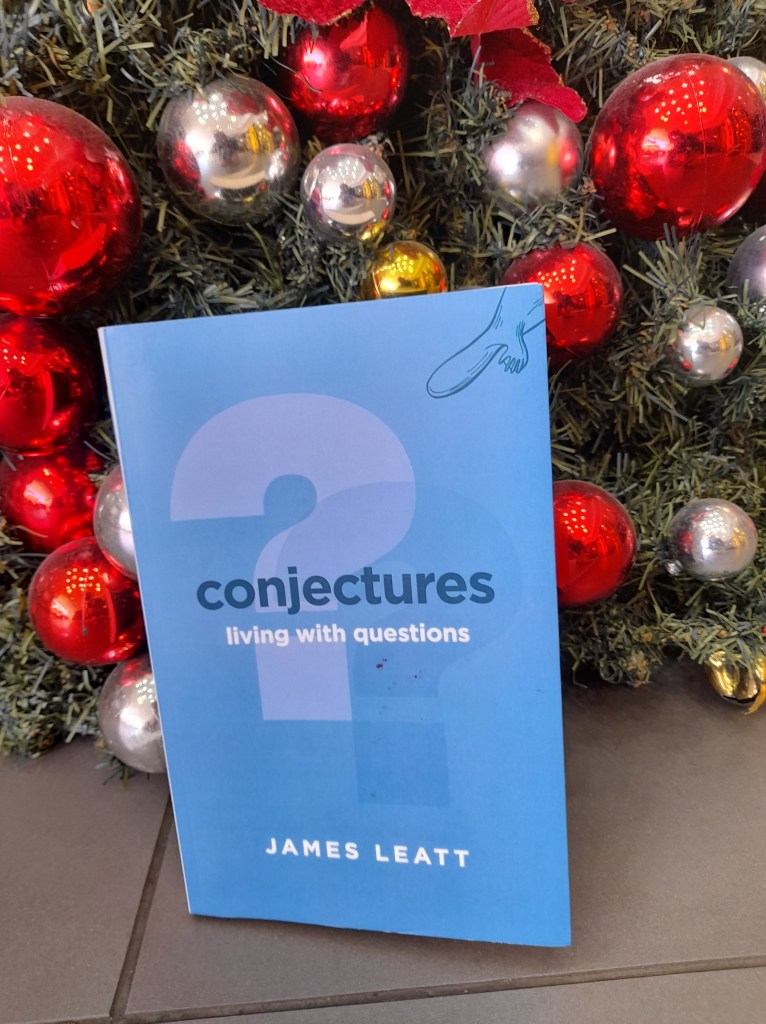
Nancy Richards reviews CONJECTURES by James Leatt

If ever there were a time to be asking the big questions, it’s probably now. I mean – commercial Christmas, COVID, universal chaos, climate change crisis – you know. But let’s narrow it down and start at the top – Is there a God? And / or is it possible to be good without God, the ‘standover man’? Endless list really. But these and so very many more are the questions with which James Leatt has been living – for a very long time. In his 80s now, Leatt set out on the religious path as lay pastor for the Order of Christian Service aged just twenty. He recalls spending his twenty-first ‘preaching on a hot February day in a tent mission at a new housing estate in Retreat.’ His calling to the ministry was loud. But not impervious to question. ‘Doubt,’ he quotes a proverb, ‘is the beginning, not the end of wisdom.’

In this book, he charts for the reader his path over the decades of religion, faith, doubt and questions, all the while spilling out some contagiously quotable lines and thoughts from a lifetime of reading and thinking. He was captivated for instance by Durkheim’s view that ‘religion provides the glue that holds societies together.’ He quotes a Dutch Reformed Minister who said a mining disaster was ‘an act of a wrathful God calling a sinful nation to repentance.’ He talks about ‘theodicy’ (the vindication of divine providence in view of the existence of evil) and of a ‘crisis of credibility in religion’ … and more.

Interestingly however, he has not been sitting Buddah-like under a tree mulling over all this enlightenment doing nothing, he has led an exhaustively busy life teaching Social Ethics at UCT’s Graduate School of Business, becoming Deputy VC and Vice Principal at the same institute, later becoming VC and Principal at the then University of Natal. He was a founder member of the Independent Mediation Service of SA and Deputy Chair of the Institute for Democracy in SA (IDASA) – amongst other roles. But I tell all this, not to knock you dead with his CV, but to indicate that the path he has trodden has also wound its way through some hectic, challenging and revealing times here in South Africa. That he has emerged as a mild-mannered, silver-headed man still questing and questioning when others of his era have taken up bowls, is inspirational. Especially thought-provoking are his chapters on ‘Looking east’ and ‘Living without gods’ – but it’s all interesting, and as I opened by saying, infinitely quotable. My favourite takeaway is the parable of dharma – which he writes, is like a raft that you build out of all the things that come your way. You use it to ford the river in front of you, then you leave it on the other side for someone else to use. Like a legacy. I’m sure James Leatt will leave many others, but this book is truly a nine-carat piece of legacy for thinking readers to use. 

First published on the GBAS FB page.

Karavan Press in 2021

To say that 2021 was a rough year for Karavan Press would be a gross understatement. Sinking into debt and depression by the end of June, I did not think that we would make it despite some amazing things happening. That everything was still continuing relatively smoothly on the surface was due to the fact that I work with the kindest and most patient people – authors, editors, designers, printers, distributors and booksellers – and that we have the support of the most wonderful readers.

Yet, in June, due to all the challenges of the lockdown, it was difficult to see a future for Karavan Press. Then: I made one decision that felt crazy at the time; and a miracle happened.

The decision was to start distributing Karavan Press titles on a firm-sale basis from the 1st of July. I thought that this would result in hardly any sales to bookshops, because it shifted the risk of actually getting our books into readers’ hands to the booksellers. But the way they – the booksellers – responded was astounding. The support has been incredible. If you see a Karavan Press book on the shelves of a bookshop, it means that they really believe in it and in us. For this and so much more, I am deeply grateful to all the booksellers who have given us a chance despite the so much greater risk to themselves that they are now taking on our behalf. You are my heroes!

The miracle was the Booker longlisting of An Island by Karen Jennings. I loved An Island from the first page of the manuscript and knew that I would publish it no matter what. I would have been proud of having published it even if it had sold only a handful of copies. But, the Booker nomination catapulted the book into Karavan Press bestseller status, where it joined our other bestseller, Death and the After Parties by Joanne Hichens, also longlisted for a prestigious award this year, the Sunday Times / CNA Non-Fiction Award. And the nomination put us on an international map and opened new doors and possibilities. One of these is the establishment of The Island Prize. Founded by Karen Jennings and Holland House Books, her UK publisher, it is a prize for an African debut novel and might mean the beginning of a few stellar literary careers on the continent. To partner with Karen and Robert Peett of Holland House Books on this has been one of the great joys of 2021. Thank you to both for making miracles happen!

We had other stunning local and international award nominations and wins this year. Considering that we have been publishing only since mid-2019 and have only sixteen titles on our list so far, I am immensely proud of these achievements:

Sunday Times / CNA Fiction Award shortlist: Breaking Dawn by Dawn Garisch 
Sunday Times / CNA Non-Fiction Award longlist: Death and the After Parties by Joanne Hichens 
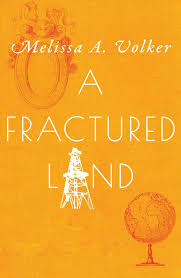
Page Turner Award longlist: A Fractured Land by Melissa A. Volker 
Booker longlist: An Island by Karen Jennings 
K. Sello Duiker Memorial Literary Award: An Island by Karen Jennings
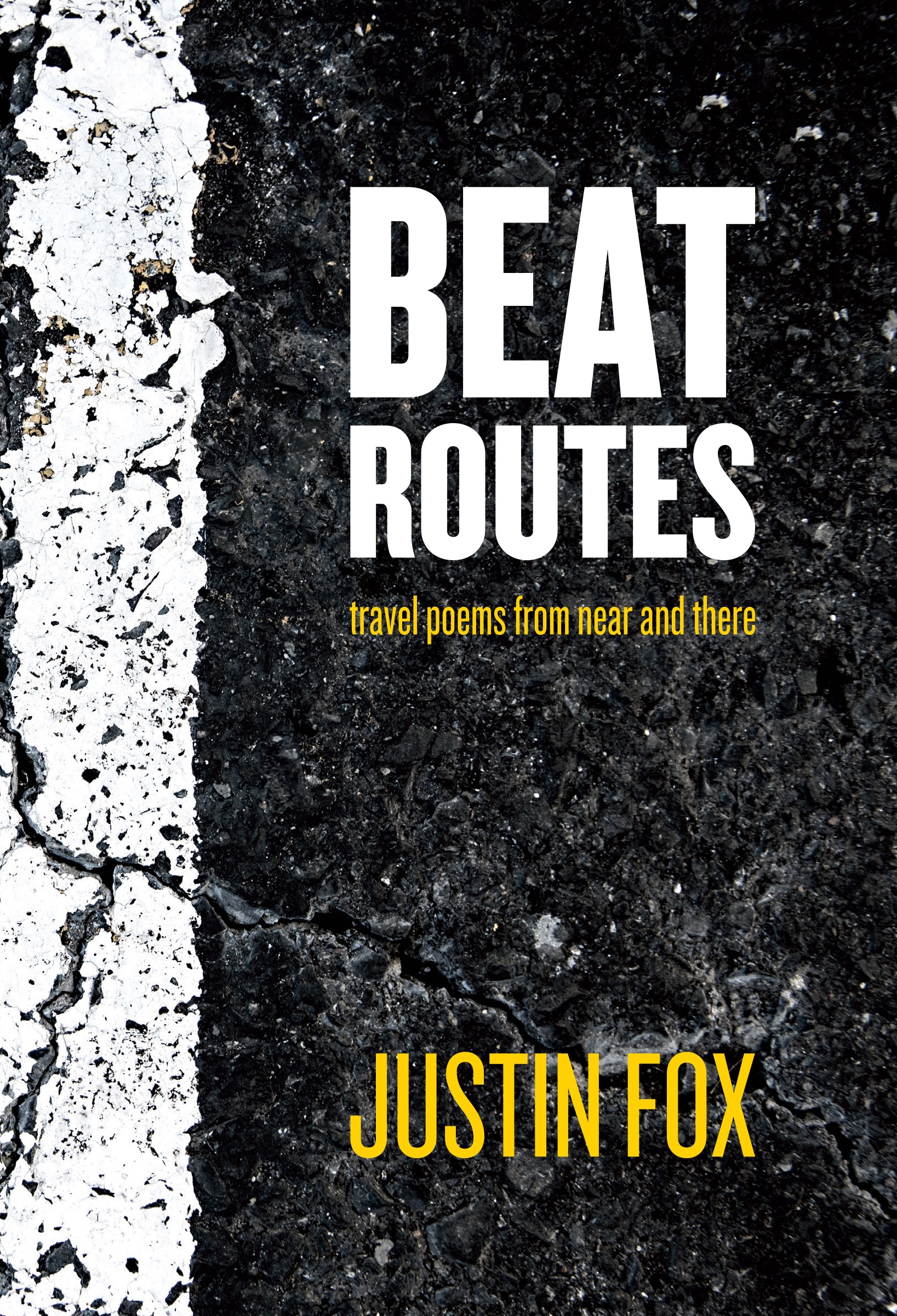
GBAS Book Cover Design Awards Poetry shortlist: Stephen Symons for Beat Routes by Justin Fox 
The Red Wheelbarrow Poetry Competition: ‘Small Souls’ by Stephen Symons 

Congratulations to all authors!

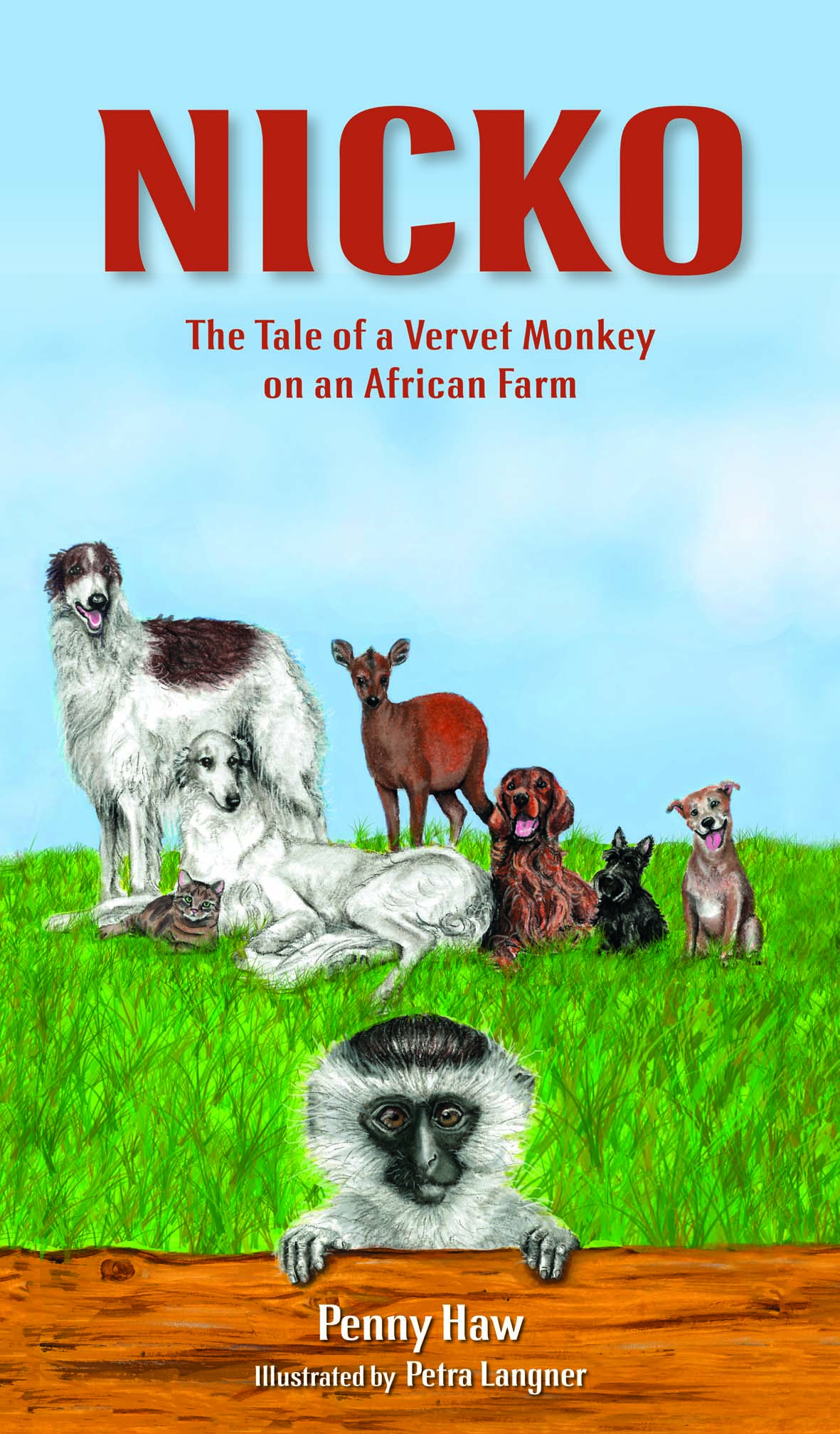
Another great decision this year was to welcome Penny Haw into the extended Karavan Press list as we partnered with her and Protea Distribution to distribute two of Penny’s books locally. And guess what: in August, her novel The Wilderness Between Us, published in the USA by Köehler Books, was named an award-winning finalist in the 2021 American Fiction Awards.

Other highlights of the year for Karavan Press were live events and special publications. Even with all the lockdown restrictions, we managed to share quite a few live events, including an entire one-day Karavan Press Literary Festival, with our readers. To talk books with other enthusiasts is always a pleasure and we hope to continue organising and participating in live events next year. As to special publications: one Karavan Press title – The Skipper’s Daughter by Nancy Richards – appeared in a highly limited hardcover edition, and another – Small Souls by Stephen Symons – was compiled and printed under the Karavan Press logo by Stephen after he won the inaugural Red Wheelbarrow Poetry Competition. Neither are available for distribution, but it is simply exciting to know that they exist. The good news is that the poems included in Small Souls will feature in an upcoming collection of Stephen’s selected poems. And this is only one of a few truly stunning books Karavan Press will be publishing next year.

We have survived, thrived against all odds – and! – we do have a future. I look forward to writing the next chapter with our authors. Thank you to them, to all other creatives who work with us, and to all our readers!

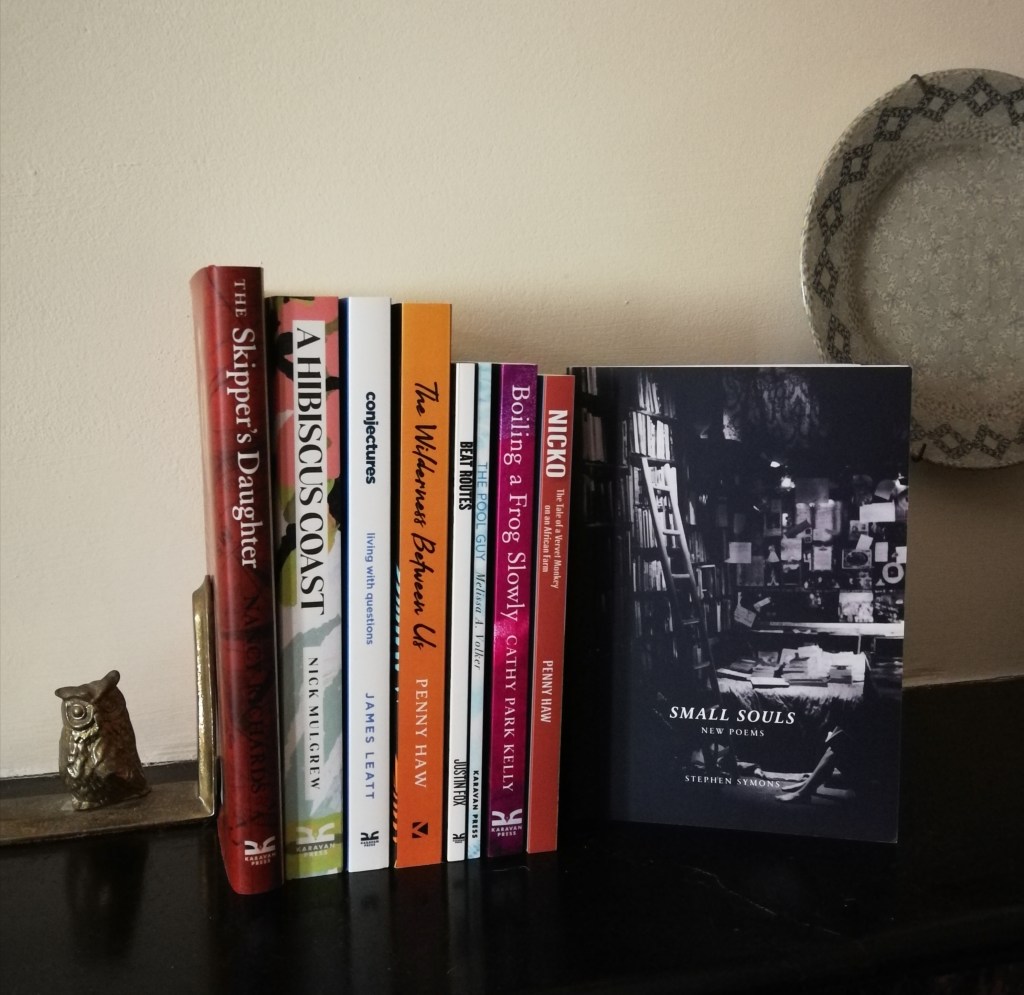
Karavan Press books of 2021:

Wishing you all a healthy Festive Season and a 2022 filled with literary magic!